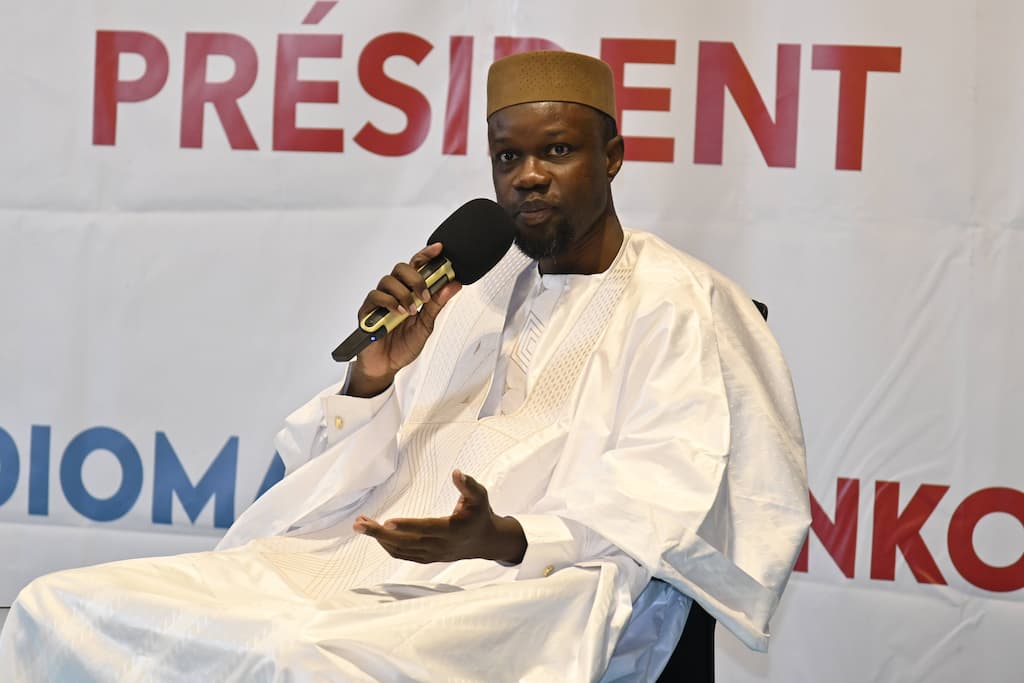
In a bold address to the National Assembly, Senegalese Prime Minister Ousmane Sonko sharply criticized what he described as Western attempts to impose homosexuality on African nations. Speaking on May 22, Sonko condemned the growing pressure from Western governments and organizations, framing their demands as a form of cultural imperialism.
His remarks came just two months after Senegal tightened its laws against same-sex relations, increasing penalties to five to ten years in prison. The controversial legislation, signed into law by President Bassirou Diomaye Faye on March 31, reflects the country’s long-standing opposition to homosexuality, a stance reinforced by recent arrests and heightened social tensions.
Western influence and sovereignty under fire
Sonko did not mince words as he accused Western nations—particularly France—of attempting to export their cultural values to Africa. « There is a kind of tyranny at play, » he declared, arguing that a small group of Western powers seeks to dictate moral and social norms to the rest of the world. « On what grounds? » he challenged, rejecting any notion that Senegal should accept external moral judgments.
The Prime Minister drew a sharp contrast between the vocal stances of Western governments and the silence of other African, Asian, and Arab nations on the issue. For Sonko, this disparity underscores a double standard: Western countries advocate for progressive social policies at home while pushing their agendas abroad. « If they have chosen these practices, that is their concern, » he asserted. « But we have no lessons to receive from them—absolutely none. »
No retreat on the law
Sonko made it clear that Senegal will not entertain calls for a moratorium on the enforcement of the new law. In fact, he hinted at the possibility of further strengthening the legislation. « If the law needs to be reinforced, it will be, » he declared firmly in front of the assembled lawmakers. His stance signals a defiant position against international criticism, emphasizing national sovereignty and traditional values.
As debates over human rights and cultural identity intensify, Senegal’s government is doubling down on its position, sending a strong message to both domestic and international audiences about its unwavering stance on the issue.