
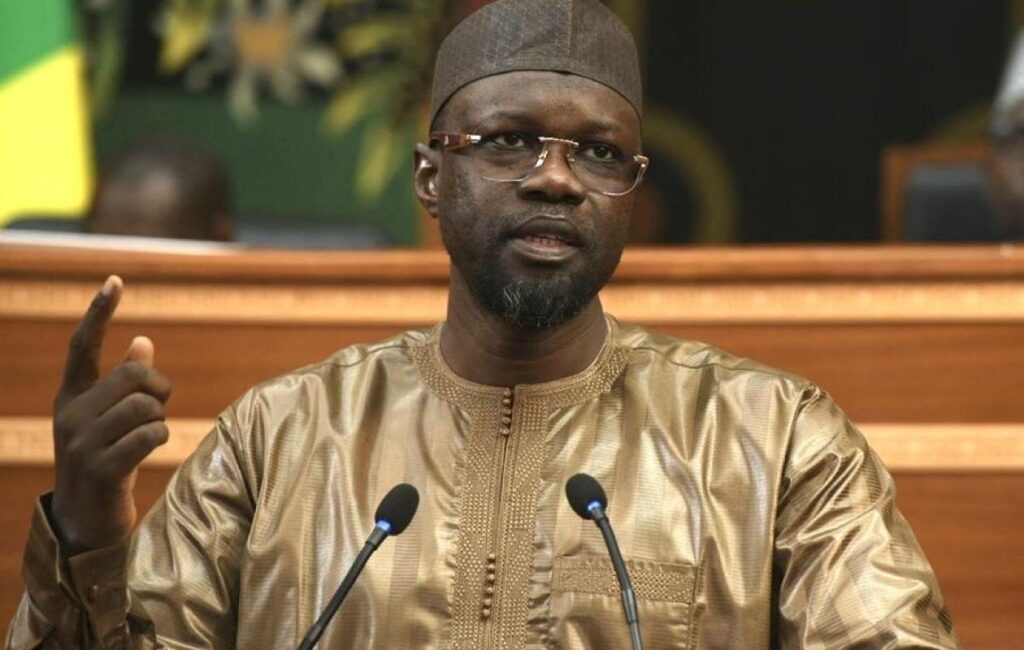
Senegal’s leadership transition sparks new political chapter
On May 22, 2026, Senegal entered a decisive phase in its political landscape following a high-stakes decision by President Bassirou Diomaye Faye. In a move that reshaped the nation’s executive structure, the president terminated the mandate of his Prime Minister, Ousmane Sonko, amid escalating tensions between the two leaders. The announcement came after a day of intensifying disagreements that exposed deep divisions within the government.
Just hours before the dismissal, Ousmane Sonko had been at the center of a political confrontation with the president, a clash that underscored the growing executive power struggle gripping the nation. The decision, though abrupt, reflects the unfolding political dynamics shaping Senegal’s future trajectory.
What led to the sudden change?
The rift between the president and his prime minister had been simmering for weeks, culminating in an open leadership dispute that left little room for compromise. Sources close to the government described the situation as a clash of visions over national priorities, with both figures staking claims to opposing policy directions. The president’s decision, while unexpected by some, signals a strategic realignment within the executive branch.
As Senegal navigates this political transition, the move raises questions about the broader implications for governance, stability, and the country’s political alliances. Observers are now closely watching how the president will steer the nation through this period of uncertainty.
You may also like
Cameroun : Samb’a Finances Holding sollicite l’agrément pour sa filiale de micro-assurance
Cameroun : les signes avant-coureurs d’une transition politique
Gabon’s economic management hindered by unreliable public data
Niger: General Tiani faces growing unease within special forces after Russian involvement
Mali : 17 morts dans les rangs des dozos, le JNIM accentue sa pression