Senegal’s PM Sonko faces tough questions at national assembly this friday
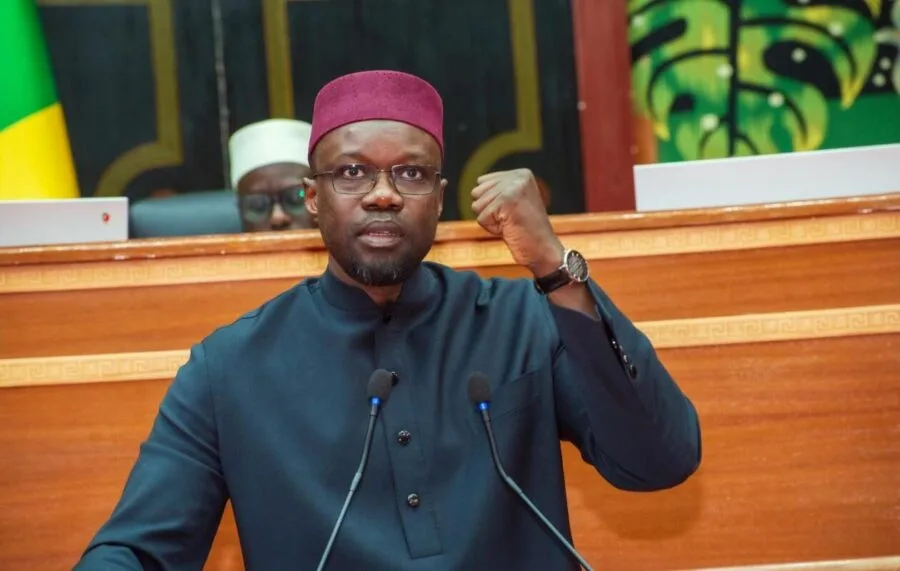
Dakar – This Friday, May 22, 2026, Prime Minister Ousmane Sonko will stand before the National Assembly for the traditional question-and-answer session with government officials. The event, announced by Assembly President El Malick Ndiaye, is set to be more than a routine parliamentary exercise, as the political climate in Senegal remains highly charged.
The upcoming session arrives at a pivotal moment for Ousmane Sonko and his administration. With nearly two years in office, the government faces mounting scrutiny over its reforms, economic policies, and the delicate balance between executive authority and party leadership. Opposition voices have already signaled their intent to challenge key initiatives, particularly the controversial electoral code reform.
Key issues on the parliamentary agenda
The National Assembly session promises intense exchanges on multiple fronts. While economic and social concerns—such as the rising cost of living, youth unemployment, and infrastructure development—remain pressing for Senegalese citizens, political debates are expected to dominate the proceedings.
- Electoral code reform: Opposition parties have fiercely criticized recent amendments to the electoral code, alleging it was designed to favor the ruling Pastef party. Critics describe the changes as a “custom-tailored” law to consolidate political influence. Sonko may need to address these claims directly, clarifying the government’s stance on electoral transparency and inclusivity.
- Institutional reforms: President Bassirou Diomaye Faye has repeatedly emphasized the need for institutional modernization. However, opposition leaders demand greater consultation, warning against reforms that could centralize power or undermine democratic checks and balances. The Prime Minister’s responses will be closely watched for clues about the government’s long-term vision.
- Dialogue and governance: The President’s recent calls for political dialogue, inviting all national stakeholders to engage in constructive discussions, have sparked mixed reactions. Some interpret it as a push for unity within the majority, while others see it as an assertion of presidential authority. Sonko could use this session to reaffirm his alignment with the administration’s priorities.
- Economic and social pressures: With persistent regional economic uncertainties, Senegalese families continue to grapple with inflation, job scarcity, and declining purchasing power. The Prime Minister is expected to outline concrete measures to address these challenges, particularly in sectors like agriculture and public investment.
- Speculation over resignation: Rumors have circulated about Sonko potentially resigning as Prime Minister. This session presents an opportunity for him to dismiss such speculation definitively and reaffirm his commitment to the government’s agenda.
A high-stakes political moment
This Friday’s session is more than a procedural requirement; it is a litmus test for Sonko’s leadership and the cohesion of the Pastef administration. As the government transitions from its initial setup phase to one focused on results, parliamentarians will scrutinize the execution of campaign promises and the government’s responsiveness to public demands.
For the Prime Minister, the session offers a platform to defend his team’s performance, justify policy choices, and outline future priorities. Given the heightened political tensions, his responses could shape perceptions ahead of the upcoming local elections and the 2029 presidential race.
Observers anticipate a vigorous exchange, with opposition deputies likely to press for details on the electoral code’s implementation timeline, the specifics of institutional reforms, and the government’s approach to national dialogue. Meanwhile, members of the ruling party may seek to reinforce the administration’s narrative, emphasizing progress and stability.
The stakes are high, not only for Sonko but for the future trajectory of Senegal’s political landscape. As the nation inches closer to local elections and the looming presidential campaign, every word uttered in the Assembly could carry significant weight.