Senegal’s electoral reform advances with new code provisions
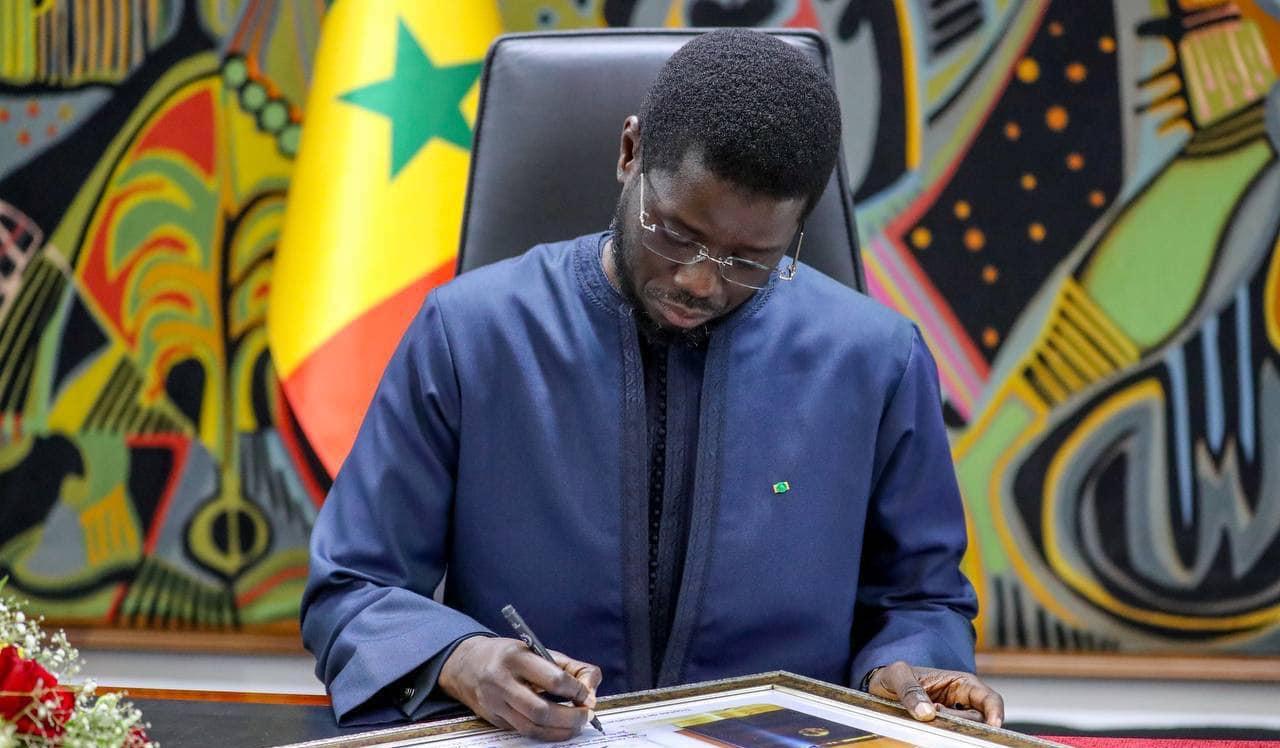
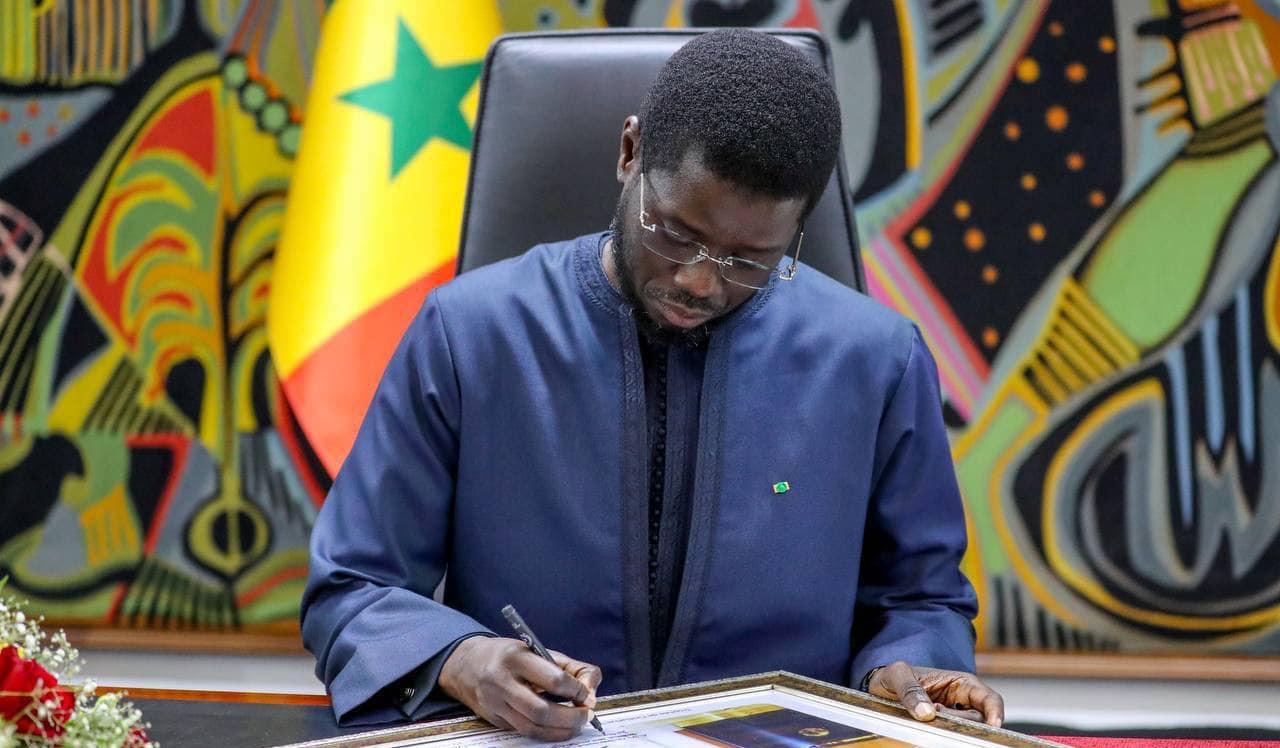
The President of Senegal, Bassirou Diomaye Faye, has officially enacted Articles L29 and L30 of the Electoral Code, marking a pivotal moment in the country’s electoral framework reform. This landmark decision follows a second parliamentary deliberation and introduces critical adjustments that will shape upcoming election processes.
Parliamentary approval clears path for electoral changes
The journey to reform these electoral provisions encountered a procedural pause when the draft was initially returned by the President on May 7, 2025 due to identified administrative oversights. However, the National Assembly moved swiftly, reconvening to conduct a second review and ultimately adopting the revised legislation on May 11, 2025 under an expedited procedure.
Speculation had emerged regarding a potential May 13 deadline for enactment. Legal experts clarified, however, that the constitutional timelines governing promulgation remained intact and had not yet lapsed at that point.
Key modifications to Senegal’s electoral framework
The revised Articles L29 and L30 introduce significant adjustments to the nation’s electoral framework. These changes primarily focus on eligibility criteria for candidates and the operational logistics of election management, ensuring compliance with contemporary democratic standards.
With the President’s signature now affixed, these amendments transition from legislative proposal to legally binding statute, ready to govern future electoral events in Senegal.