Human rights group urges jihadist group to lift Bamako blockade
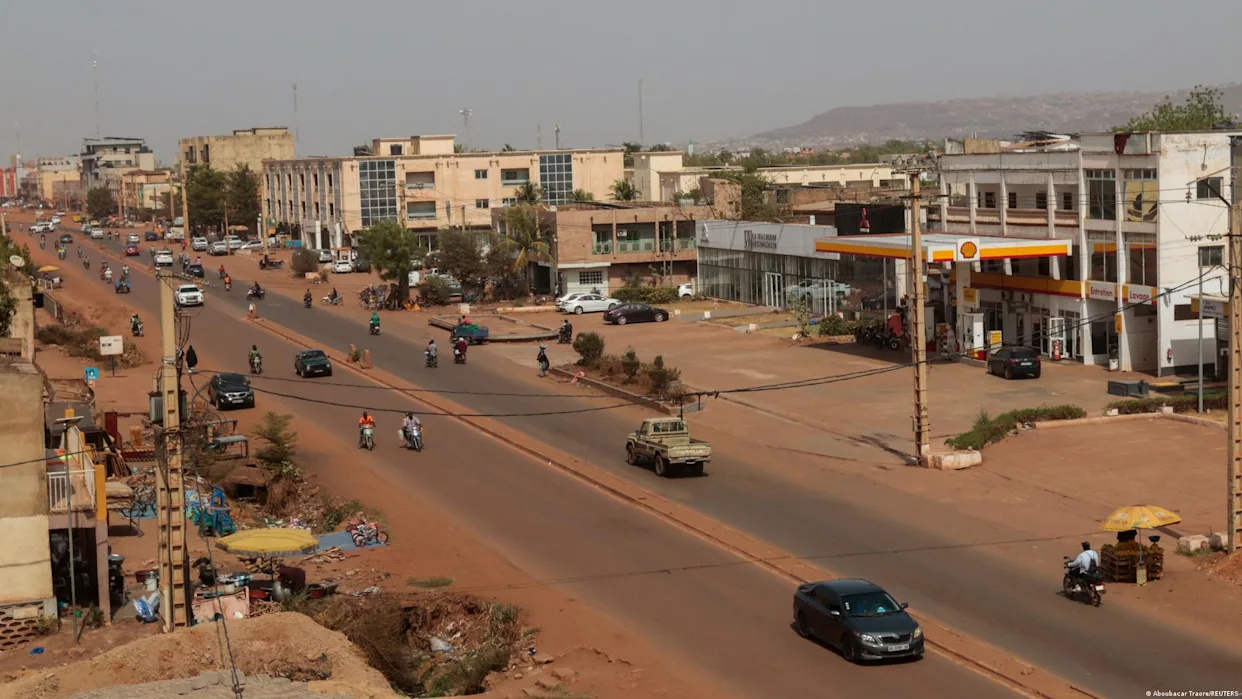
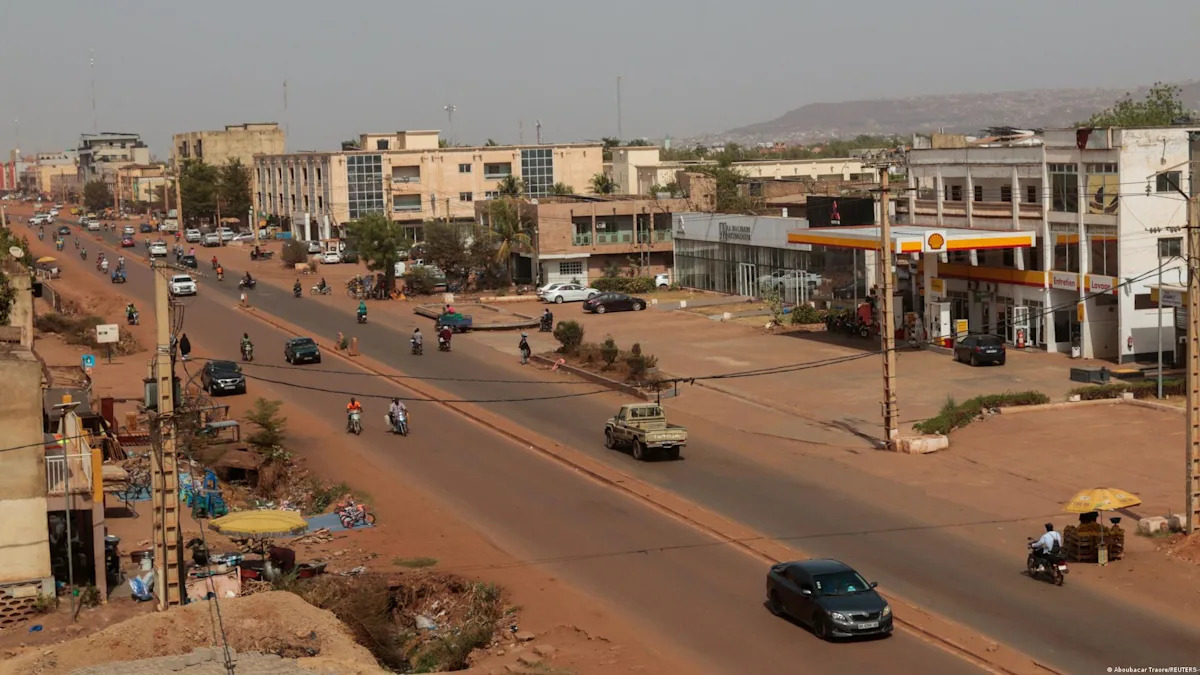
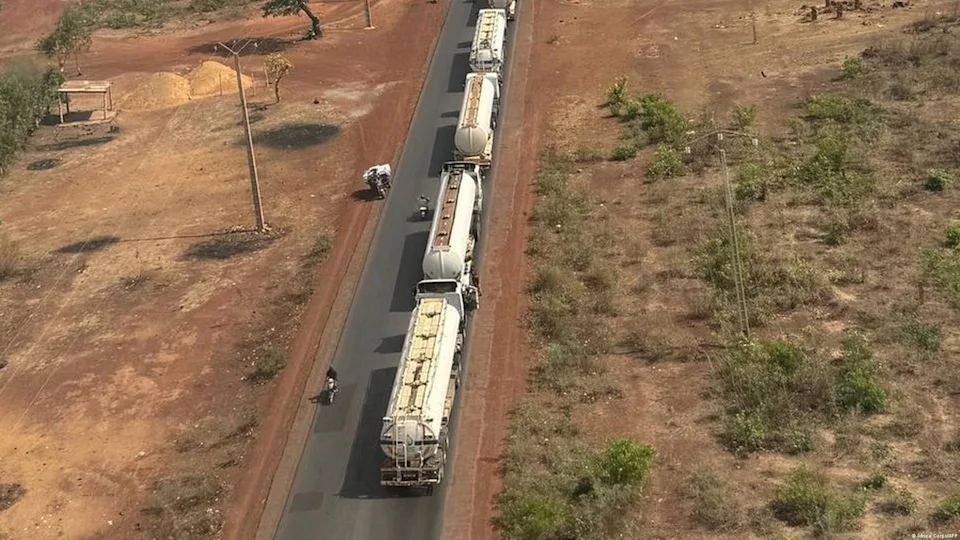
An international human rights organization has issued an urgent appeal to the jNIM militant group, demanding they immediately lift the two-week blockade strangling Bamako. The siege has crippled the movement of essential goods—fuel, food, and medical supplies—into the landlocked nation’s economic hub, most of which arrives via road transport.
“This blockade is inflicting unacceptable hardship on civilians, threatening their right to food, healthcare, and safety,” the rights group stated in a formal statement.
The organization highlighted a recent attack on a civilian convoy transporting fruits from Bamako to Bougouni in southern Mali. The attack occurred on May 6, with the group emphasizing that the trucks carried no military personnel or equipment and were not under military escort.
Military intensifies strikes on northern strongholds
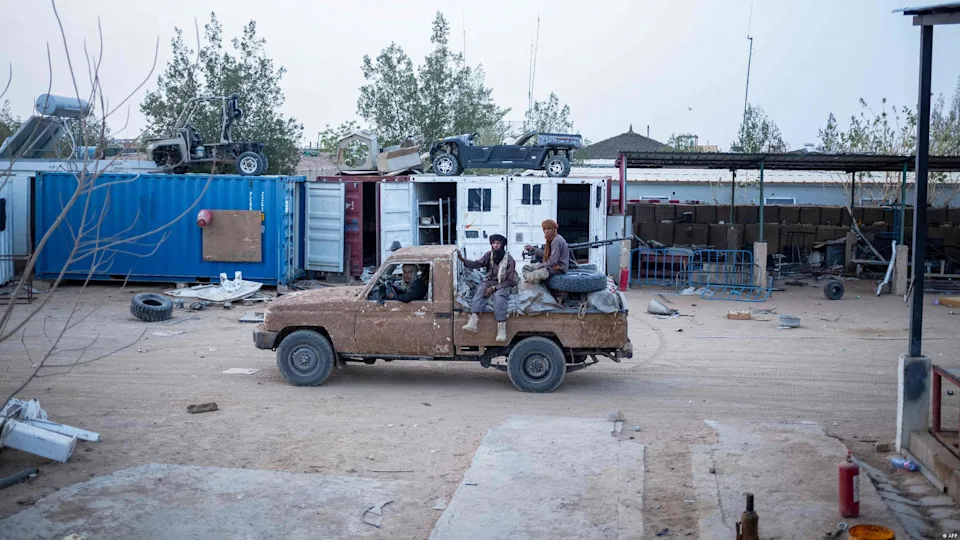
In response to the escalating threats, Malian armed forces have announced plans to intensify airstrikes targeting Kidal, a city under the control of the National Movement for the Liberation of Azawad (MNLA) and their jihadist allies, jNIM, since late April. Military officials confirmed multiple strikes have already been conducted. Meanwhile, separatist forces claim to be holding over 200 Malian soldiers captured during attacks on April 25.
Local residents report Kidal is experiencing severe electricity shortages and unreliable telecommunications, with no clear information flowing in or out of the northern region. Conflicting reports have left inhabitants uncertain about where to place their trust.
A resident of Gao—a city still under government control—described a climate of deep suspicion, noting that authorities instruct citizens to rely solely on official government communications. She also pointed out steep price surges for basic food items, with the cost of onions doubling in recent weeks.
Sahel analysts warn of escalating violence
Independent analyst Hervé Lankoandé Wendyam warned that the jihadist coalition is actively working to isolate northern Mali from the rest of the country. “What’s unfolding in central Mali reflects a deliberate escalation by jNIM, aiming to seize control of major urban centers,” he explained. Abdoulaye Sounaye, a researcher specializing in Sahelian militant groups, added that both government forces and jihadist factions appear to be preparing for renewed hostilities, leaving civilians caught in the crossfire.
Sounaye emphasized that the current crisis demands inclusive dialogue involving all national stakeholders to prevent further deterioration. “The Malian government must open channels of negotiation with every segment of society to address the underlying political crisis. Without dialogue, the cycle of violence will persist,” he warned.
According to Ahmed Ould Abdallah of the 4S Research Center, the path to resolution lies in the government’s willingness to engage in meaningful talks. “A comprehensive political settlement is the only way to end the suffering of Malians across all regions.”
Humanitarian crisis deepens in central Mali
Local sources confirm that jihadist groups now control vast areas along the northern bank of the Niger River in the Ségou and Koulikoro regions. Government administration is absent in these zones, where militants impose taxes and close schools. As of January, over 2,300 schools across Mali remained shut, with northern and central regions bearing the brunt of closures.
Analysts warn that without urgent intervention, the humanitarian toll will continue to rise. Both military and militant forces are reportedly in a phase of reorganization, raising fears of further civilian casualties. Sounaye concluded: “Eventually, all parties will be forced to the negotiating table. The question is whether lives will be lost before that happens.”