Cheikh Diba, Senegal’s Finance Minister, recently disclosed to the National Assembly that the Plan de Redressement Économique et Social (PRES) had generated 63.4 billion CFA francs this year. These figures were unveiled amid intense negotiations with the International Monetary Fund (FMI), prompting Waly Diouf Bodian, a political advisor to Prime Minister Ousmane Sonko, to vigorously defend the government’s performance.
PRES targets and fiscal progress
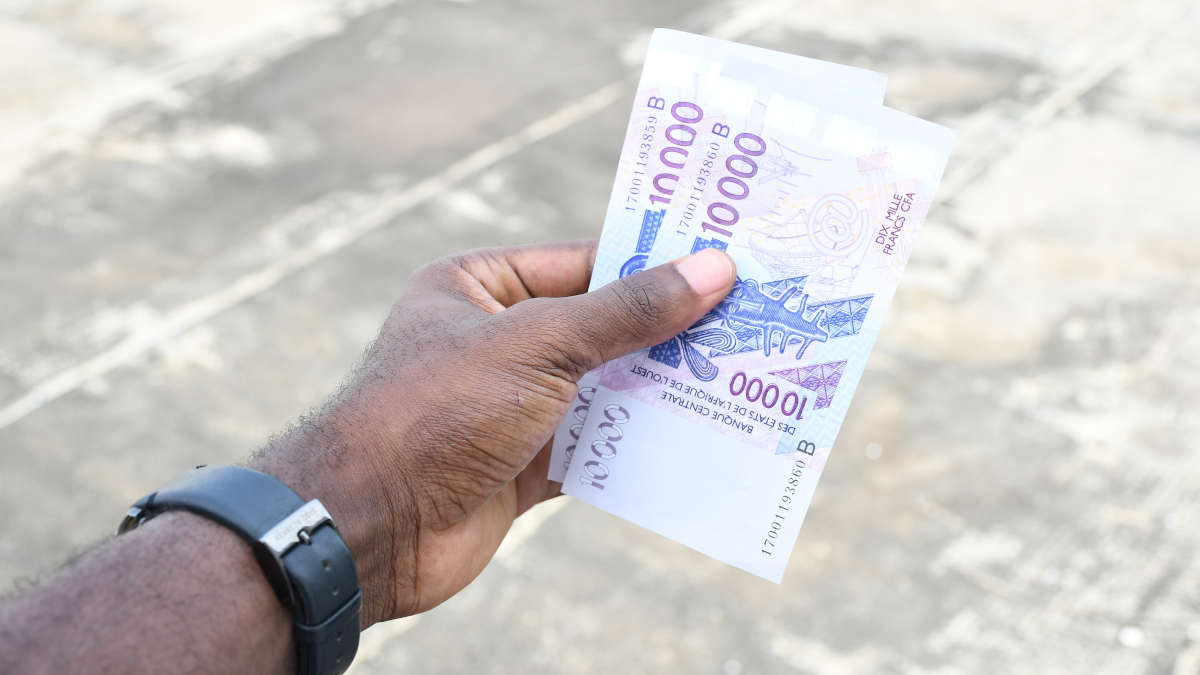
The PRES, unveiled by Prime Minister Sonko on August 1, 2024, aims to mobilize a total of 5,667 billion CFA francs between 2025 and 2028. For 2026 alone, the government expects an additional 762.6 billion francs in revenue, as outlined in the initial budget law. So far, 63.4 billion has been collected—including 7.9 billion from customs duties, according to Cheikh Diba’s report. However, nearly 700 billion remains to be recovered to meet the annual target.
The FMI is closely monitoring Senegal’s budget trajectory, as the country grapples with significant financial strain. The government’s ability to meet its revenue targets will heavily influence ongoing discussions for a potential support program with the Bretton Woods institution.
Government pushes back against criticism
In response to skepticism from certain media outlets questioning the slow pace of revenue collection, Waly Diouf Bodian asserted that the PRES is generating between 15 and 20 billion CFA francs monthly. He emphasized that upcoming measures—such as reforms in land management and money transfers—are expected to yield even greater returns in the coming months.
The government’s performance will face scrutiny this Friday during a parliamentary session focused on current affairs. Key topics will include the actual revenue trajectory of the PRES compared to the quarterly targets set in the budget law.