
Senegal’s leadership faces test as two agendas unfold
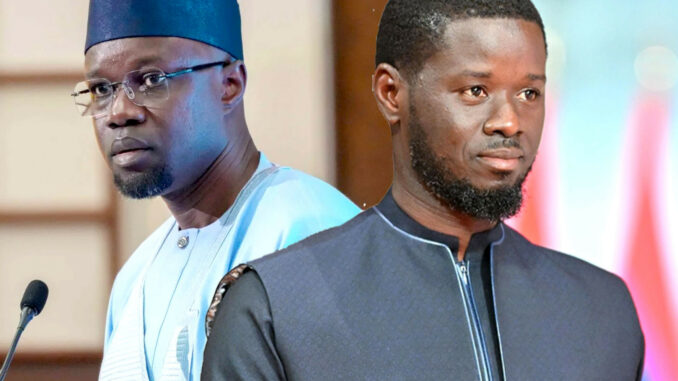
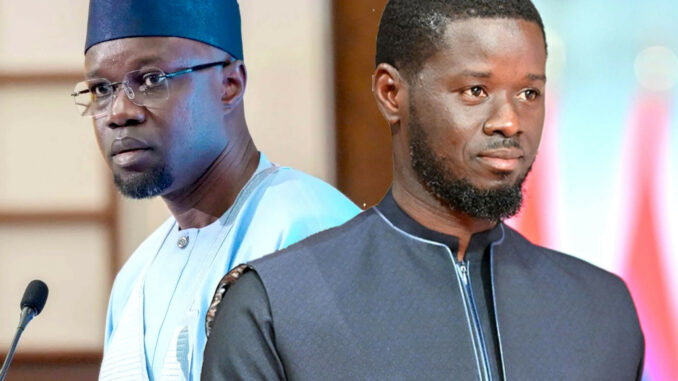
This week marks the beginning of a critical juncture in Senegal’s political landscape, as President Bassirou Diomaye Faye and Prime Minister Ousmane Sonko chart distinct yet intersecting paths in national leadership.
On May 21, President Faye launches an extensive round of consultations, inviting political parties, civil society groups, religious leaders, and traditional authorities to participate in a ten-day national dialogue. The initiative replaces the former annual dialogue day under former President Macky Sall and signals a deliberate shift toward broader engagement and inclusivity.
While Faye’s approach emphasizes unity and consensus-building, critics question whether the reforms underway—particularly in electoral and institutional spheres—are being developed with sufficient input from key stakeholders. Opposition voices argue that the current pace of change may sideline crucial voices in the democratic process.
Meanwhile, Prime Minister Sonko is scheduled to address the National Assembly in a public session, a move that has sparked speculation about the dynamics between the two leaders. The timing of his parliamentary appearance, coinciding with the president’s consultation tour, raises questions about coordination—or the lack thereof—at the highest levels of government.
Political analysts are divided on the implications. Maurice Soundieck Dione, a noted political scientist, suggests that both leaders are vying for visibility in the public and media space. On the other hand, analyst Assane Samb highlights how improved synchronization between their agendas could prevent perceptions of a divided executive branch.
Since assuming office, the relationship between Faye and Sonko has been a recurring topic of debate, with many questioning the true distribution of power within Senegal’s new administration.
You may also like
Gabon’s economic management hindered by unreliable public data
Niger: General Tiani faces growing unease within special forces after Russian involvement
Mali : 17 morts dans les rangs des dozos, le JNIM accentue sa pression
Sahel : le pari des juntes tourne-t-il à l’échec sécuritaire ?
MALI : Le JNIM diffuse les images de l’attaque de la base de San et contredit la version des FAMa