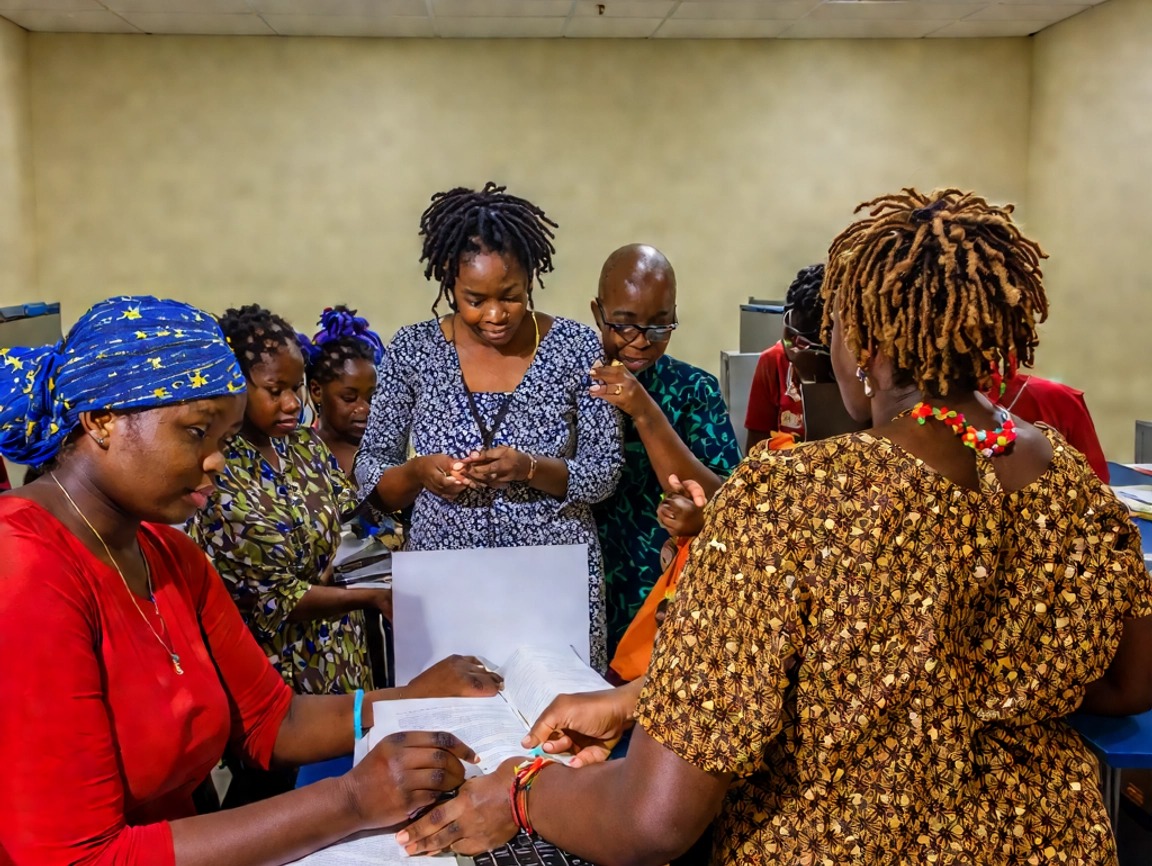
The Réseau des femmes leaders pour le développement (RFLD) has issued a strong call for increased female representation in Senegalese political and institutional decision-making bodies. Speaking during a high-level seminar in Dakar, Bator Seck, President of the RFLD, emphasized that a true democracy cannot be achieved without equal participation of women in governance. The event, focused on women’s political engagement in Senegal, highlighted the urgent need for structural reforms to ensure their meaningful involvement in shaping the nation’s future.
The RFLD, a pan-African feminist network active across Senegal, Ghana, Gambia, and Bénin, champions legislative advocacy, grassroots mobilization, and local initiatives. Its mission extends to advancing women’s rights, sexual and reproductive health, civic spaces, and climate justice. Yet, despite these efforts, persistent challenges hinder progress in political representation.
Declining female representation in Senegal’s political landscape
While Senegal has long been hailed as a regional leader in gender equality—thanks to the 2010 parity law, the 2001 Constitution guaranteeing gender equality, and the ratification of international human rights conventions—recent setbacks have raised concerns. Bator Seck pointed to the November 2024 legislative elections, where female representation in the National Assembly dropped from 44.2% to 41%. Even more striking, women accounted for just 13% of electoral list leaders, underscoring systemic barriers to leadership roles.
Local governance remains particularly uneven. Out of 558 communes in Senegal, only 18 are led by women, while just three women preside over the country’s 43 departmental councils. These disparities, according to Seck, stem from deep-rooted structural obstacles, cultural resistance, and persistent inequalities in access to political funding, power, and media visibility.
The indispensable role of women in Senegal’s development
Despite these challenges, women in Senegal continue to play a vital role in driving economic growth, education, social justice, and peacebuilding efforts. Their contributions, though often underacknowledged, are fundamental to the country’s progress. Mama Diouf Fall, representing the Minister of Family, Social Action, and Solidarity, affirmed that women’s political participation is a cornerstone of sustainable development, social stability, and effective governance.
Fatoumata Guèye Ndiaye, Honorary President of the Association of Senegalese Jurists, echoed this sentiment, urging for expanded access to executive positions and leadership roles within political parties. She also called for a revision of the parity law to further strengthen women’s presence in decision-making spheres, ensuring their voices shape policies that directly impact their lives.