
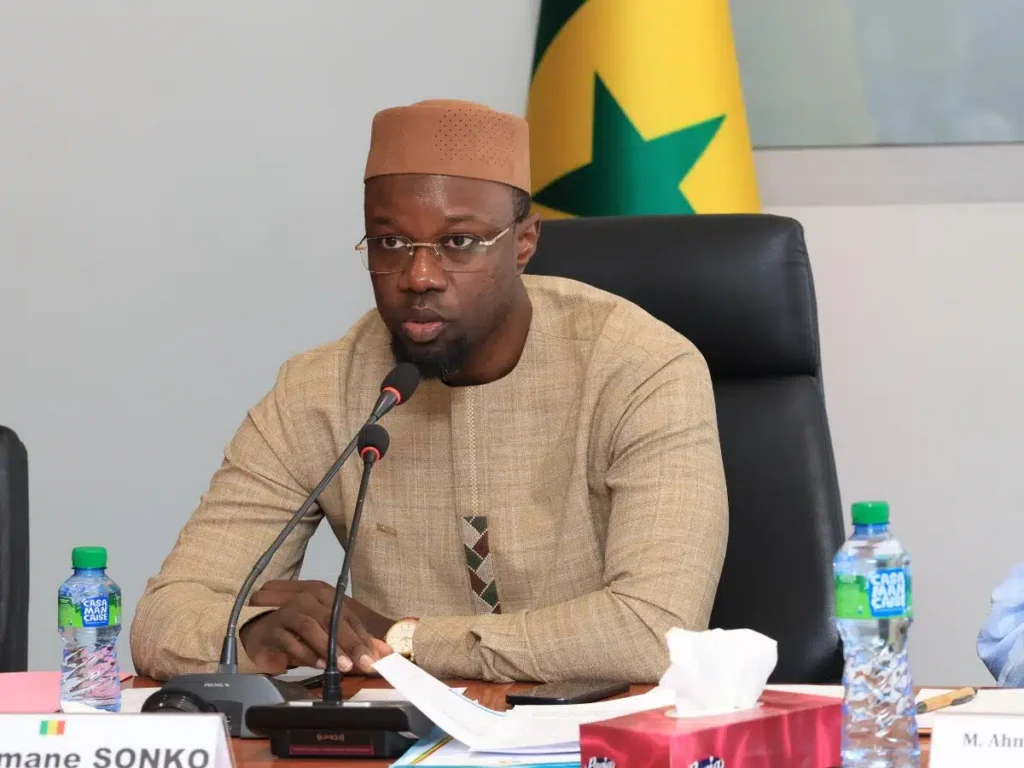
Senegal’s tough new stance on same-sex acts: Sonko insists law will be enforced
Prime Minister Ousmane Sonko has declared that Senegal’s strengthened legislation against same-sex relations will be strictly implemented, addressing growing international concerns.
Prime Minister Ousmane Sonko made this statement during a parliamentary session on May 22, 2026, responding to questions from national deputies.
The Senegalese government’s decision to toughen penalties for same-sex acts has drawn criticism from Western nations. Sonko reaffirmed Senegal’s sovereignty, stating that the country’s laws reflect the values of its people.
“The Senegalese people are sovereign. The vast majority reject these practices within our borders,” Sonko emphasized.
Rejecting Western pressure
Facing backlash from some African advocates, including lawyer Alice Nkom, Sonko defended the newly passed legislation, vowing to apply it without concessions.
“There’s a form of tyranny at play. With eight billion people on Earth, a small Western elite—despite internal divisions—uses its economic and media influence to impose its views globally. On what authority?” Sonko questioned.
He dismissed calls for a moratorium, declaring, “This law will be enforced.”
The National Assembly adopted Law No. 2026-08 on March 27, 2026, amending Article 319 of the 1965 Penal Code to strengthen sanctions against “unnatural acts.”
Expanded legal definitions and penalties
The revised law broadens the definition of unnatural acts, increases penalties, and criminalizes advocacy or financing of such acts.
According to the text, “An unnatural act includes any sexual act between individuals of the same sex.” It also covers sexual acts involving a corpse or an animal.
Perpetrators face five to ten years imprisonment and fines from 2 million to 10 million West African CFA francs, with additional penalties for rape or pedophilia.
You may also like
Gabon’s economic management hindered by unreliable public data
Niger: General Tiani faces growing unease within special forces after Russian involvement
Mali : 17 morts dans les rangs des dozos, le JNIM accentue sa pression
Sahel : le pari des juntes tourne-t-il à l’échec sécuritaire ?
MALI : Le JNIM diffuse les images de l’attaque de la base de San et contredit la version des FAMa