Senegal’s political landscape shifts as key figure steps down

The political pulse of Senegal has quickened once more, as the nation witnesses a dramatic reshuffle at the highest echelons of power. In a move that has sent ripples through the corridors of governance, the country’s Speaker of the National Assembly, Malick Ndiaye, tendered his resignation over the weekend. This unexpected development unfolded shortly after a critical meeting of the Pastef party, to which he belongs.
In a heartfelt statement posted on social media, Ndiaye explained his decision, citing a deep commitment to public service and the greater good of the Nation. “After careful consideration and guided by my unwavering belief in institutional integrity and the public interest, I have chosen to step down from my position,” he wrote. “This is a personal choice, rooted in my vision of responsible governance and the paramount importance of national unity.”
Since assuming the role of Speaker, Ndiaye has been instrumental in elevating the Assembly’s profile, both domestically and abroad. His tenure was marked by a relentless drive to enhance parliamentary transparency, strengthen oversight mechanisms, and foster a culture of accountability among legislators.
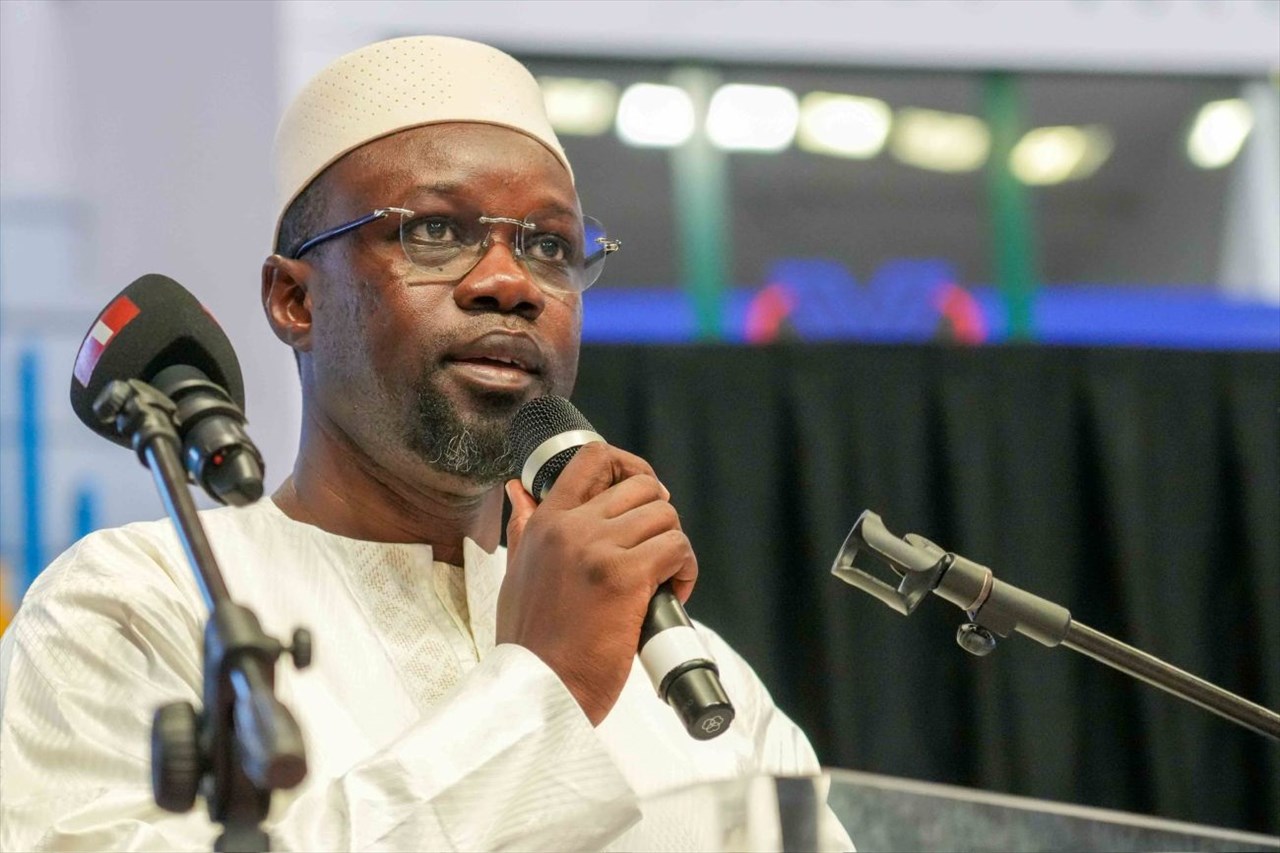
The Assembly wasted no time in responding to these developments. On the same day, Ousmane Sonko, a prominent figure within Pastef, was reinstated as a deputy. This swift action set the stage for a crucial vote the following day to elect a new Speaker. Observers are now pointing to Sonko as the frontrunner, given his party’s commanding majority in the legislature. If elected, his rise would be nothing short of meteoric, catapulting him from the recently vacated post of Prime Minister to the second-highest office in the land—a transition spanning just three days.
The political chessboard in Senegal is now more crowded than ever. What was once a collaborative dynamic between Bassirou Diomaye Faye and Sonko has evolved into a high-stakes rivalry. With local elections looming and the 2029 presidential race on the horizon, alliances will be tested, power balances scrutinized, and strategic maneuvers will define the nation’s trajectory.
A pivotal question lingers in the air: will President Bassirou Diomaye Faye opt to dissolve the National Assembly once the constitutional deadline expires in December? The answer to this could redefine the political equilibrium for years to come.
Meanwhile, the nation remains on tenterhooks, awaiting the announcement of a new Prime Minister. This individual will be tasked with navigating the turbulent waters of governance, as the government’s formation takes shape against a backdrop of heightened political tension.