Senegal Morocco football feud overshadows African French summit
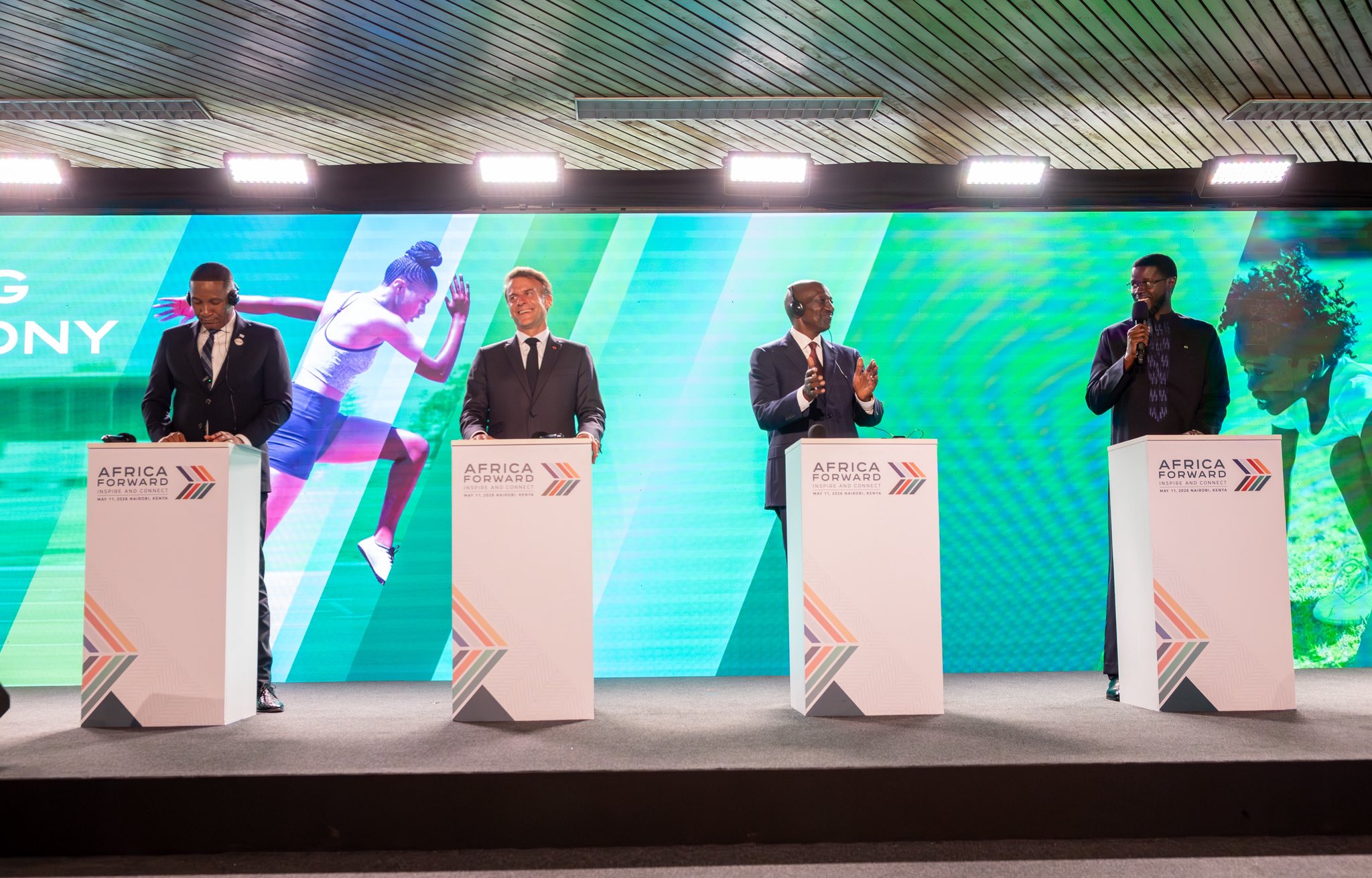
The diplomatic corridors of Nairobi’s African French summit witnessed an unusual tension during the sport and development session on Monday afternoon. Senegalese President Bassirou Diomaye Faye took center stage, celebrating what he called “a special 2026 for Senegal,” marked by the nation’s African Cup of Nations victory. His remarks drew thunderous applause and cheers from the audience, with Emmanuel Macron grinning approvingly while Patrice Motsepe, CAF President, shifted uncomfortably in his seat.
Faye’s triumphant tone was not without irony. Just hours earlier, he had referenced the Olympic Games of the Youth in Dakar, scheduled for autumn 2026—the first Olympic event ever hosted on African soil. But his follow-up statement, “Thank you for this verdict!” cut deep. The comment was a thinly veiled jab at the CAF Appeals Committee, which overturned the on-field result of the African Cup of Nations final between Senegal and Morocco. Despite Senegal’s 1-0 victory in extra time at Rabat’s Moulay Abdellah Stadium on January 18, the CAF awarded a 3-0 forfeit to Morocco on March 17, citing administrative irregularities. The Senegalese Football Federation has since filed an appeal with the Court of Arbitration for Sport (CAS) in Lausanne, challenging both the CAF and the Royal Moroccan Football Federation. The legal battle is far from over, with defense memos now under review by the Swiss tribunal—a process that could drag on for months.
Morocco skips key sports session amid diplomatic tensions
While Morocco sent its Prime Minister, Aziz Akhannouch, to Nairobi to discuss industry and renewable energy, no Moroccan official attended the sports segment. “They chose not to engage in that discussion,” noted a senior source familiar with the dossier. Four months after the chaotic final, both nations appear to be avoiding the topic altogether. At a post-summit press conference on Tuesday evening, French delegate Eléonore Caroit stated, “Given the scale of this issue, I expected it to come up. I participated in numerous roundtables over these two days, yet I heard nothing about it and did not sense any tension.” Her counterpart, Foreign Minister Jean-Noël Barrot, later acknowledged that while the dispute wasn’t raised during the summit, it remains a recurring topic in bilateral talks. He concluded with a pointed remark: “It’s not just about football.”
The dispute extends beyond the pitch, casting a shadow over bilateral relations. A French national—brother of a Senegalese staff member—was sentenced to three months in a Moroccan prison for allegedly throwing a water bottle at security forces during post-match unrest. He maintained his innocence and was released on April 18 after his appeal. Meanwhile, three of the eighteen Senegalese supporters imprisoned for violence and property damage were freed the same day, following a traditional pilgrimage to the Ahmed Tidjani Mausoleum in Fes. The remaining fifteen face sentences ranging from six months to a year, with their fate now resting solely with King Mohammed VI, who holds the exclusive power of royal pardon.
Diplomatic channels take center stage
Despite the acrimony, both capitals insist on preserving appearances. A Moroccan official emphasized that “our shared religious and historical ties must always take precedence over a football match.” In Dakar, a government spokesperson tempered the rhetoric: “This is a quarrel between brothers—like the tongue and teeth, we sometimes bite each other. The diplomatic path will play its role. Senegal respects the sovereignty of every nation and expects the same in return.”
The fallout from the final has already left a regulatory imprint on global football. At FIFA’s recent congress in Vancouver, the International Football Association Board (IFAB) adopted a new rule dubbed the “Pape Thiaw Law,” named after the Senegalese coach who encouraged his players to walk off the pitch in protest over a contentious penalty awarded to Morocco. The rule now empowers referees to issue red cards to players who leave the field or to technical staff who incite such actions. A CAF delegate in Vancouver quipped that the reform aims to prevent what he called a “Senegalization of world football.”
From legal battles in Lausanne to prisoners in Rabat and diplomatic maneuvers in Nairobi, the African Cup of Nations final has become one of the most protracted sagas in African football history.