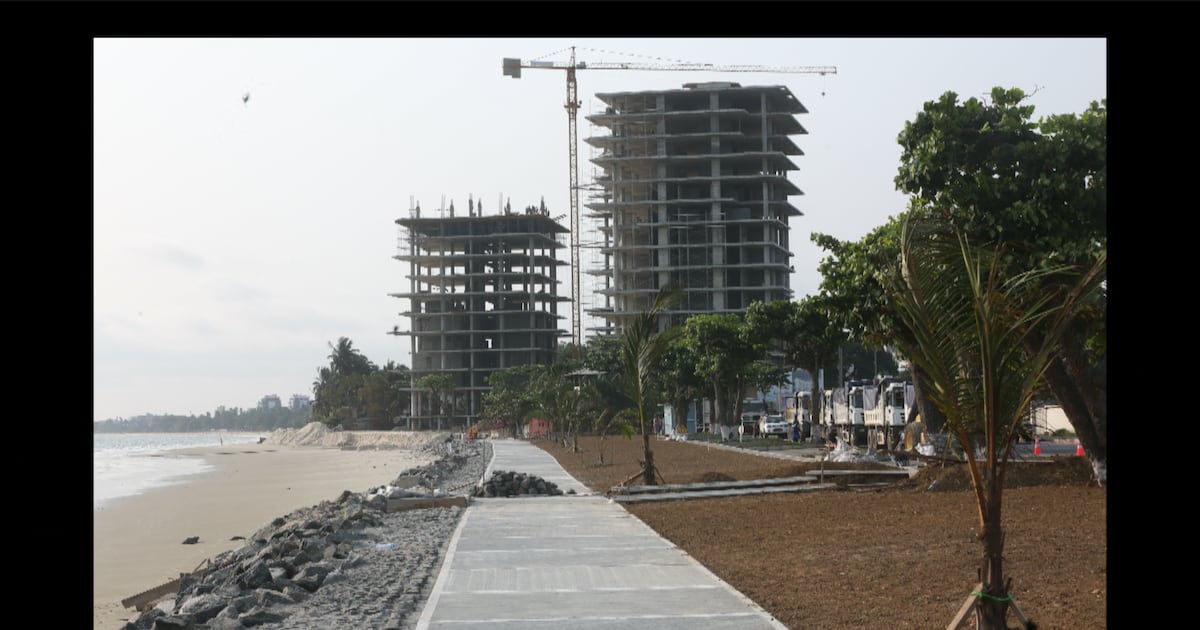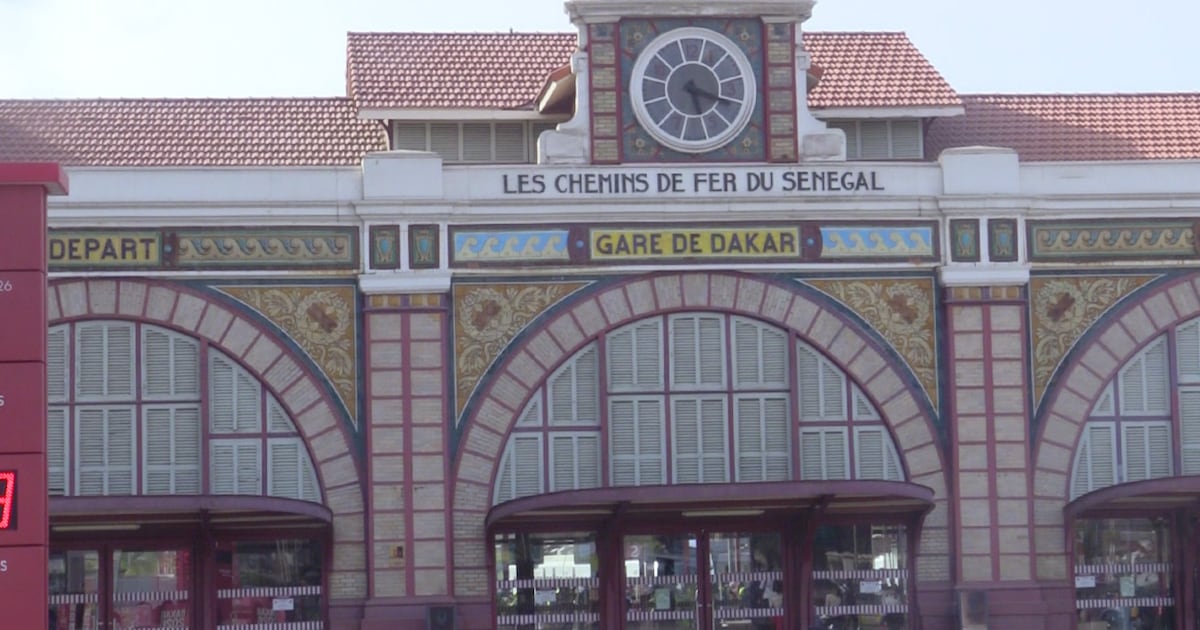
Renovations may have updated their interiors, yet the soul of Dakar and Rufisque’s century-old train stations remains untouched. This deliberate preservation choice safeguards a protected heritage, ensuring these iconic landmarks continue to tell their story to future generations.
a century of legacy: the historic role of Dakar and rufisque stations
Built in 1914, the Dakar station once stood as the pulsating heart of the Dakar-Niger railway network, a symbol of economic growth and trade across French West Africa long before independence. Rufisque’s station shared a similar fate, serving as a vital hub in the groundnut trade, linking the port to inland regions. After decades of decline as road transport overshadowed rail travel, these architectural treasures have been revitalized through the 2019 Regional Express Train (TER) project.
more than stations: living museums of Senegal’s past
Today, their walls still whisper tales of the past, enchanting locals, commuters, and tourists alike. Many now view these stations not just as transit points, but as invaluable historical assets to be passed down. Amadou Diallo, a lifelong Dakar resident, emphasizes their significance in preserving collective memory. «Preserving the original architecture of the Dakar station is essential to safeguard our shared history. The UNESCO recognition of pre-independence infrastructures, including these stations, as protected historical sites ensures their timeless character. This gives younger generations—those born after independence—a tangible connection to their heritage.»
a blend of history and architecture
Moustapha Fall, a frequent traveler, highlights the stations’ architectural beauty as a major draw. «The colonial-era design, despite modern renovations, remains intact. It offers a glimpse into the construction methods and lifestyles of the past. The station is not just functional—it’s a symbol of beauty that even draws visitors purely to admire its grandeur.»
unesco recognition and modern revival
The stations, now classified as historical monuments in Senegal, embody the seamless fusion of past and present. The Old Rufisque area has been on UNESCO’s tentative World Heritage list since 2005, underscoring its exceptional urban and architectural value. Victor Hugo Manga, a travel enthusiast, sees this conservation as a bridge between generations in a rapidly modernizing world. «Daily commuters and visitors alike encounter this historical gem, sparking curiosity about its origins. With the TER’s arrival, preserving these stations allows younger generations to learn about their ancestors’ lives and appreciate the progress Senegal has made.»
guardians of memory in a modern era
As the TER ushers in a new era of rail travel, Dakar and Rufisque’s stations stand resilient, retaining their identity. Far beyond their role as transit hubs, they serve as silent custodians of Senegal’s collective memory—a heritage the nation is determined to protect.