Senegal justice minister Moussa Sarr faces political and judicial challenges
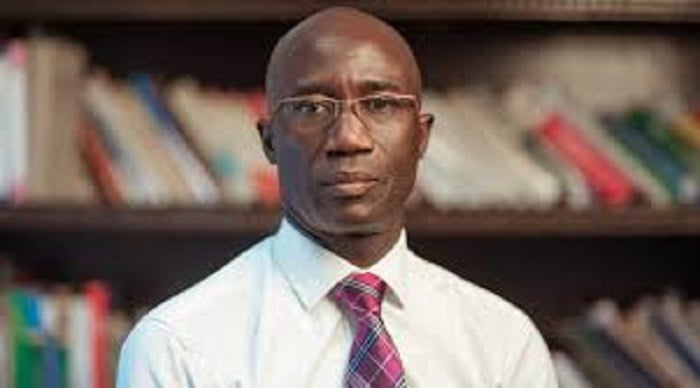
Me Moussa Sarr has assumed the role of Senegal’s Minister of Justice at a time of heightened political and judicial tensions, where accountability and sensitive legal cases demand decisive leadership. With over two decades of experience as a defense attorney, his deep expertise in economic, banking, and public business law positions him to navigate the complex landscape ahead.
Inheriting a ministry at the heart of national debates
As the newly appointed Minister of Justice, Moussa Sarr takes charge of a portfolio that sits at the intersection of legal rigor and political expectations. His background includes representing high-profile clients, including Senegalese President Bassirou Diomaye Faye, before his current appointment. His academic contributions in legal education further underscore his qualifications for this critical role.
The ministry’s responsibilities now extend beyond routine legal matters to include high-stakes issues such as the management of public finances, judicial oversight, and the resolution of politically sensitive cases that have emerged in recent years.
Ousmane Sonko’s reservations and the divide over accountability
The appointment of Me Moussa Sarr has not been met with universal approval. Political tensions remain palpable, particularly between the Head of State and former Prime Minister Ousmane Sonko, who has publicly expressed reservations about the direction of accountability efforts. While Sonko has not directly challenged Sarr’s appointment, his comments highlight a broader disagreement over the pace and approach to addressing past political violence and financial mismanagement.
Two contrasting approaches to justice and transparency
Within the executive branch, two distinct perspectives have emerged. One faction advocates for swift and stringent enforcement of sanctions related to public fund mismanagement, while another emphasizes adherence to judicial procedures to prevent any politicization of the justice system. This divergence places the Ministry of Justice in a delicate position, where balancing transparency with institutional stability is paramount.
Among the most pressing challenges facing Minister Sarr is the resolution of cases stemming from political violence that occurred between March 2021 and February 2024. These incidents, which left deep scars on the nation’s political landscape, continue to fuel demands for justice from victims’ associations and civil society organizations.
While a March 2024 amnesty law was enacted to address these issues, debates persist over its scope, the need for additional legal measures, and the potential for further reparations.
Navigating expectations and political pressures
As Minister Sarr steps into this pivotal role, he faces a complex web of demands: from political stakeholders advocating for accountability to civil society groups seeking justice and transparency. Every decision he makes will carry significant political weight, shaping not only the trajectory of his ministry but also the broader trust in Senegal’s institutions.