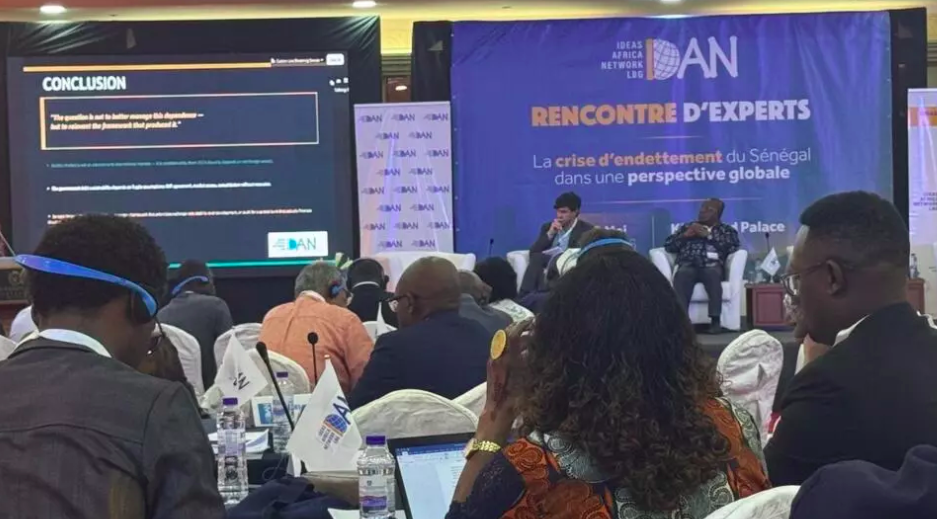
Economic experts gathered in Dakar have called for a paradigm shift in how Senegal manages its growing debt burden, warning that current borrowing strategies may be unsustainable. The recommendations emerged during a high-level conference examining the nation’s escalating debt-to-GDP ratio, which has now surpassed 132%.
The discussions centered on a critical audit of all public debt commitments, with particular attention to opaque agreements allegedly made between 2019 and 2024. While government officials claim these undisclosed obligations have pushed debt levels to alarming heights, former President Macky Sall has contested these claims.
Breaking free from traditional lenders
Presenters advocated for expanding Senegal’s creditor network beyond conventional multilateral institutions. Demba Moussa Dembélé, president of the African Research and Cooperation for Endogenous Development organization, emphasized the importance of partnering with countries that prioritize national sovereignty over financial cooperation. He specifically highlighted China as a potential ally in this effort, stating that such partnerships could help Senegal escape ‘neo-colonial financial systems’.
Dembélé’s proposal includes conducting a comprehensive public debt audit to establish a clear picture of the country’s financial obligations. He argued that this transparency would enable more strategic borrowing decisions moving forward.
Learning from global models
Ali Zafar, a United Nations Development Programme economic advisor, suggested Senegal follow Turkey’s example of diversifying its creditor base. ‘Turkey successfully expanded its borrowing network to include Saudi Arabia. Senegal can replicate this approach with similar partners,’ Zafar noted.
He cautioned against over-reliance on any single institution like the IMF, stating that ‘there are more funding options than just the IMF.’ Zafar recommended bilateral negotiations with alternative lenders like China, leveraging their experience in debt management strategies.
The economic advisor stressed that Senegal should approach IMF negotiations with strong counter-proposals that protect essential social sectors like education and healthcare. ‘We cannot dedicate all national revenue to debt repayment or use international loans to pay existing creditors,’ he asserted.
Zafar also proposed that Senegal consider establishing an independent central bank to better manage monetary policy during the debt crisis. He concluded that ‘no Asian country would accept the financial situation currently facing Senegal,’ and that viable solutions exist within the country’s sovereign capabilities.
The ongoing negotiations between Senegal and the IMF continue, with Senegalese officials – including Alioune Diouf, Director of Debt Management at the Ministry of Finance and Budget – meeting with IMF leadership in Washington in late April.