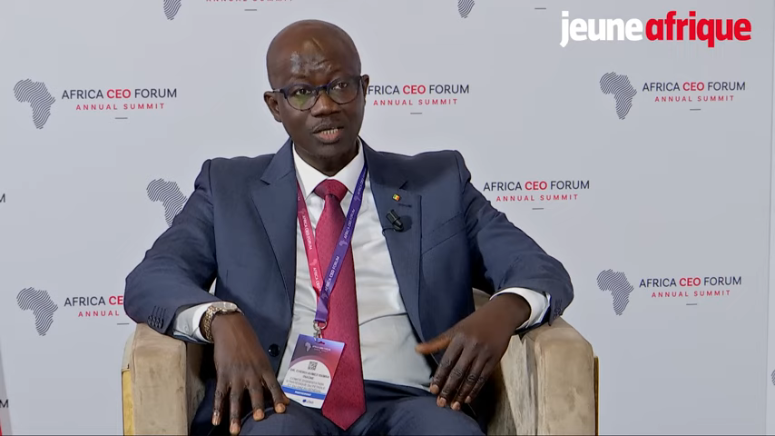
Dakar is prepared to escalate its dispute with major oil companies. During the Africa CEO Forum held on May 14, Khadim Bamba Diagne, Permanent Secretary of Senegal’s Strategic Oil and Gas Committee, revealed that the government is not ruling out any option—including arbitration—to renegotiate contracts signed with BP and Woodside.
The firm stance is rooted in the need to address contractual terms early in the exploitation phase. With agreements spanning 30 to 50 years, correcting mistakes promptly is critical to preventing long-term negative impacts, he emphasized. “It’s better to act now than later,” he noted, highlighting the urgency of aligning contracts with Senegal’s evolving economic and environmental priorities.
Senegal’s oil and gas sector operates offshore, directly affecting the fishing industry, which employs between 600,000 and 700,000 Senegalese. Bamba Diagne stressed that a responsible state cannot tolerate an arrangement where a vital community bears the brunt of exploitation while the country fails to secure equitable benefits from its resources.
He criticized traditional models that shift environmental and economic burdens to African nations while allowing international firms to capture most profits. “The surge in hydrocarbon prices shouldn’t just line the pockets of foreign companies,” he argued. “The Senegalese people and local industries must also benefit.”
Current market conditions, marked by soaring energy prices, further strengthen Senegal’s negotiating position. Bamba Diagne observed that companies are profiting from the price surge, and Senegal must do the same. “All partners in these joint ventures must find their place in this new price reality,” he insisted, calling for fairer terms.
Arbitration could set a legal precedent, clarifying rights and obligations for decades to come. Though Senegal has begun exploiting its petroleum and gas resources, the timeline for these projects remains uncertain, underscoring the need to establish robust frameworks now.