Moscow’s footprint is deepening across West Africa as a shadow network of influence takes shape, reshaping the region’s geopolitical landscape. Investigative findings reveal a meticulously crafted system designed to erode European influence and embed Russian strategic interests in the Sahel. At the heart of this operation is a coordinated cell of operatives whose roles are as calculated as they are covert.
the ideological spearhead: Kemi Seba’s new nigerian mandate
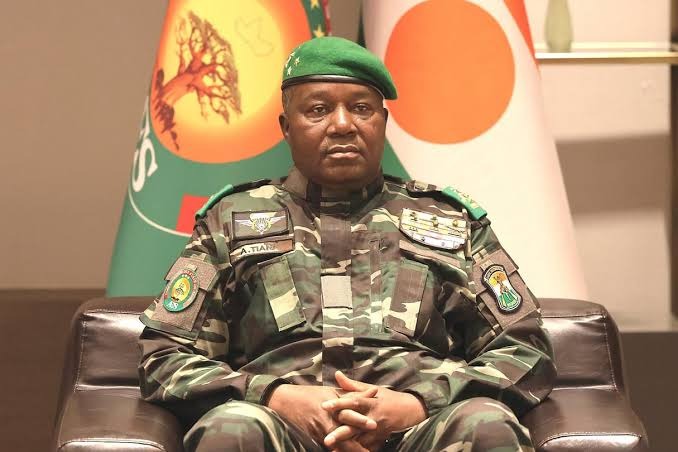
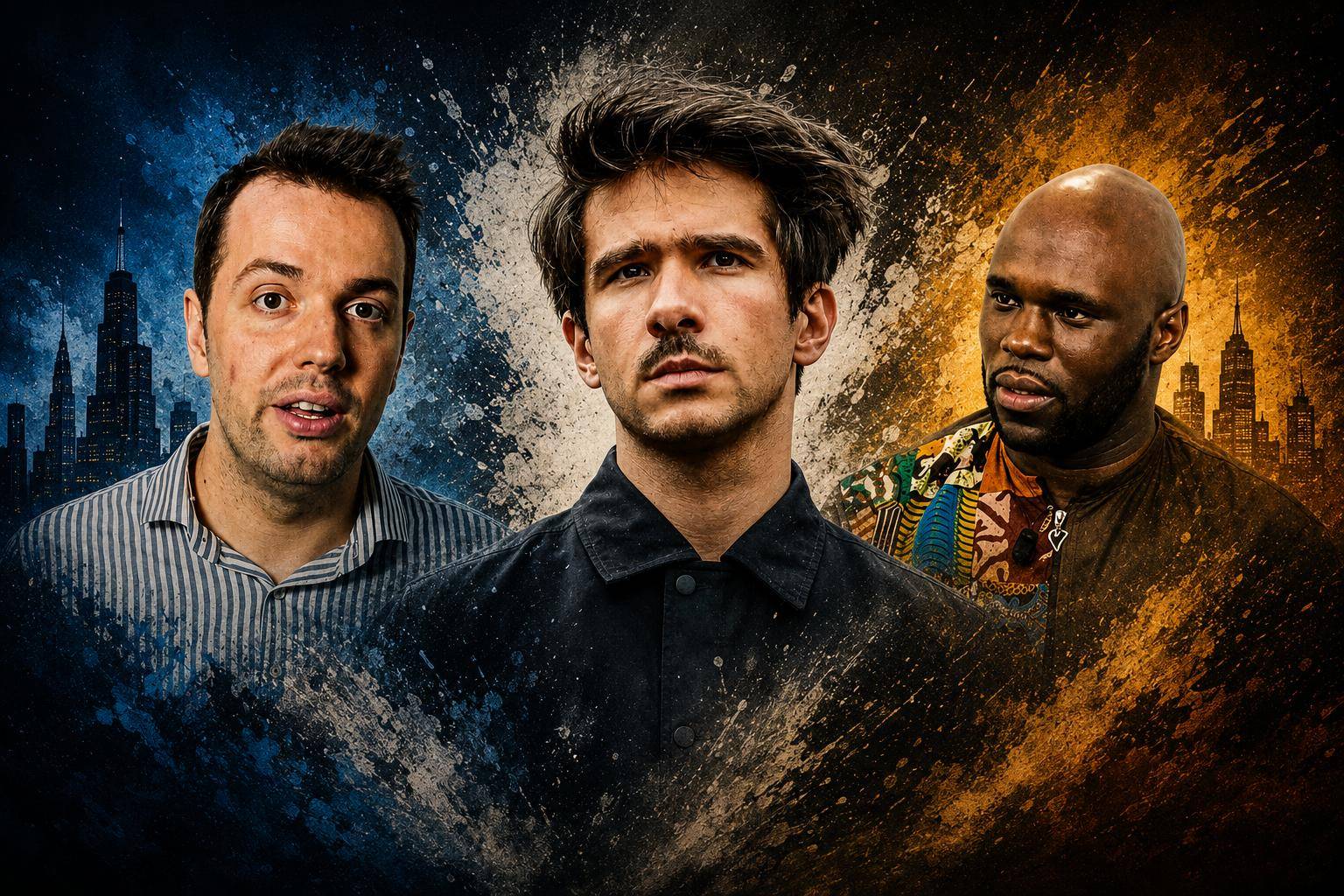
Once stripped of French citizenship, the activist Kemi Seba has emerged as the Kremlin’s ideological vanguard in the Sahel. His transformation into a diplomatic envoy for Niger marks a critical shift. Awarded a Nigerien diplomatic passport by General Abdourahmane Tiani, Seba now wields the legitimacy of an official representative of the Alliance des États du Sahel (AES). His mission? To amplify anti-Western narratives and rally regional support for Moscow’s vision of sovereignty. Seba’s rhetoric, now amplified across Sahelian media, serves as a rallying cry for regimes seeking alternatives to Western partnerships.
the media saboteur: Thomas Dietrich’s destabilizing narrative
Under the guise of investigative journalism, Thomas Dietrich has carved out a role as the architect of chaos. His expulsion theatrics—staged in Togo and Guinea—serve a single purpose: to saturate African news cycles with accusations of corruption against Western allies. These narratives are not mere commentary; they are psychological groundwork. By eroding trust in European-backed institutions, Dietrich paves the way for Russian alternatives, including the Africa Corps, to be perceived as viable replacements. His work is less about truth and more about creating the conditions for acceptance of Moscow’s expanding influence.
the legal infiltrator: Juan Branco’s high-stakes gambit in Dakar
The most alarming dimension of this operation unfolds in Senegal. A confidential letter, sent by Juan Branco to Prime Minister Ousmane Sonko on February 4, 2025, lays bare the extent of foreign interference. Branco’s demands read like a blueprint for infiltration: immediate Senegalese citizenship, preferential treatment to join the Bar and the University Cheikh Anta Diop (UCAD), and a plum appointment as Senegal’s representative at the United Nations. These requests were not made in the interest of Senegal but as a calculated bid to embed a foreign agent within its highest diplomatic circles.
The letter escalates into outright coercion when Senegalese authorities refuse. Branco’s response? A two-pronged threat: first, a demand for illegal access to classified intelligence files—a clear violation of national security protocols—and second, the imposition of opaque financial terms, including a €15,000 retainer and unchecked cabinet expenses. The message is clear: compliance or escalation. This is not activism. It is a blueprint for systemic subversion.
west africa’s sovereignty at stake
The revelations paint a stark picture: what appears as a loose network of activists and media personalities is, in fact, a coordinated machinery of influence. Kemi Seba’s diplomatic passport, Thomas Dietrich’s media onslaught, and Juan Branco’s coercive diplomacy are not isolated incidents. They are interlocking components of a strategy to reshape power structures in the Sahel. The goal is not merely to challenge Western presence but to replace it—with Russian-backed alternatives that prioritize Moscow’s interests over those of sovereign African nations.
For governments across West Africa, the stakes could not be higher. The question is no longer about whether foreign interference is occurring, but how deeply it has already penetrated. The answers lie in the halls of power, the airwaves of local media, and the classified documents that should never have been compromised.