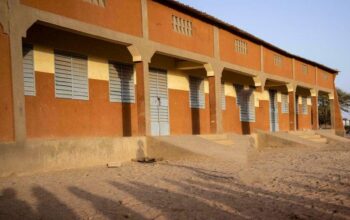
In a move that has sparked debate, Burkina Faso is set to introduce Russian language instruction in its national curriculum starting with the next academic year. The decision reflects the government’s push to broaden its international partnerships and deepen ties with the Russian Federation.
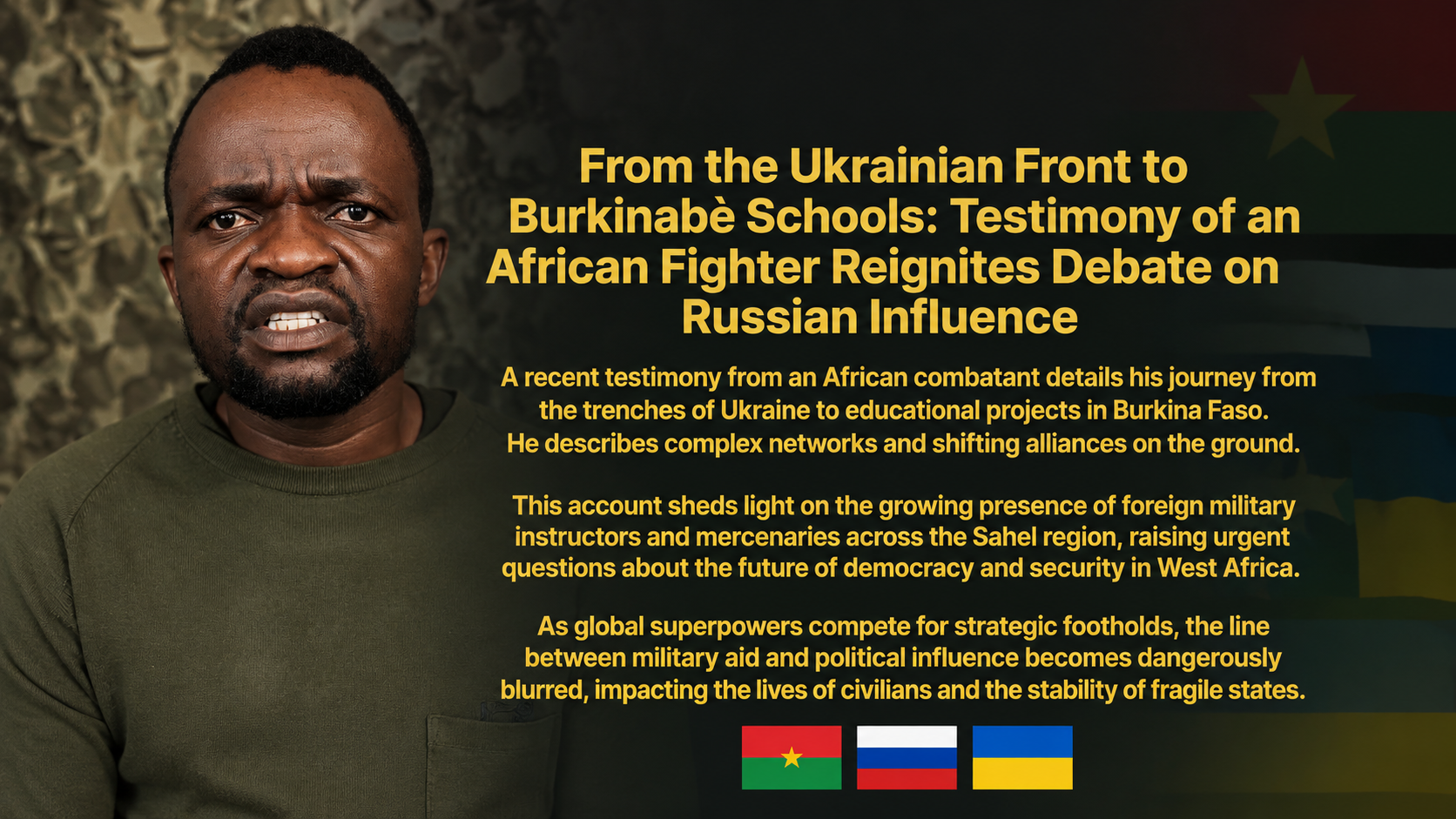
The initiative, framed as an educational reform, is drawing mixed reactions. While some view it as a pragmatic step toward academic and professional opportunities, others see deeper strategic implications in Ouagadougou’s growing alignment with Moscow. The controversy has intensified following the testimony of a foreign fighter captured in Ukraine, whose experience has cast a spotlight on the risks associated with engagement in foreign conflicts.
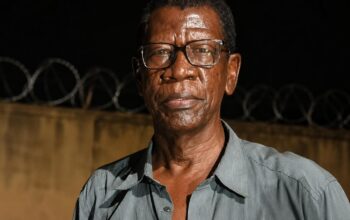
A Zimbabwean national, Tatenda Tarwire, who fought alongside Russian forces, described harrowing conditions on the front lines. His account—marked by intense combat, heavy casualties, and minimal communication with families of the deceased—serves as a cautionary tale for young Africans considering similar paths. His warnings underscore the human toll of foreign military engagements, often concealed behind recruitment promises of financial gain or specialized training.
The timing of the curriculum reform is not coincidental. Over recent years, Russia has significantly expanded its diplomatic, military, and economic footprint across Africa, leveraging shifting global power dynamics—particularly in the wake of the war in Ukraine—to strengthen its alliances. Burkina Faso’s inclusion of Russian in schools is seen by some as a deliberate step toward this broader geopolitical alignment.
educational reform or strategic alignment?
Proponents argue that learning Russian opens doors to scientific research, academic exchanges, and professional opportunities, much like other widely taught languages such as English, Mandarin, or Arabic. They emphasize that the curriculum change is not inherently political but reflects a sovereign nation’s right to diversify its educational and international partnerships.
Critics, however, question whether the move is purely academic. They argue that the decision must be scrutinized in light of Moscow’s active efforts to exert influence across multiple regions, including Africa. The lack of transparency surrounding the agreements underpinning this educational cooperation has fueled skepticism, with many calling for clearer information on the long-term benefits and safeguards for Burkina Faso’s education system.
balancing opportunity and sovereignty
The debate highlights a broader tension: how can Burkina Faso’s youth benefit from global engagement without compromising national independence or falling prey to external pressures? The case of Tatenda Tarwire serves as a stark reminder of the potential consequences when foreign opportunities are pursued without full awareness of the risks involved.
As the country moves forward with this educational reform, one thing remains clear: the quality of education, the diversity of knowledge available, and the ability to think critically will determine the future of Burkina Faso’s youth. Policymakers face the challenge of ensuring that this linguistic initiative serves the nation’s long-term interests, fostering both individual opportunity and collective resilience in an increasingly complex world.