In the heart of Mali, where human resilience meets relentless challenges, photographer Tiécoura N’Daou captures more than just images—he frames stories. His recent exhibition in Berlin, titled “Mali: Personal Perspectives on the Humanitarian Crisis,” brought international attention to a crisis often overlooked. This week, we delve into the mind of this Malian artist and educator, whose lens becomes a powerful tool for advocacy.
With 6.4 million people in Mali relying on humanitarian aid, the scale of the crisis is staggering. Over 400,000 individuals have been internally displaced, the majority of whom are women and children. A further 1.5 million people face severe food shortages, while 1.5 million children under five suffer from acute malnutrition. Behind these statistics lie real lives—families torn apart, communities struggling to survive, and aid workers tirelessly providing support.
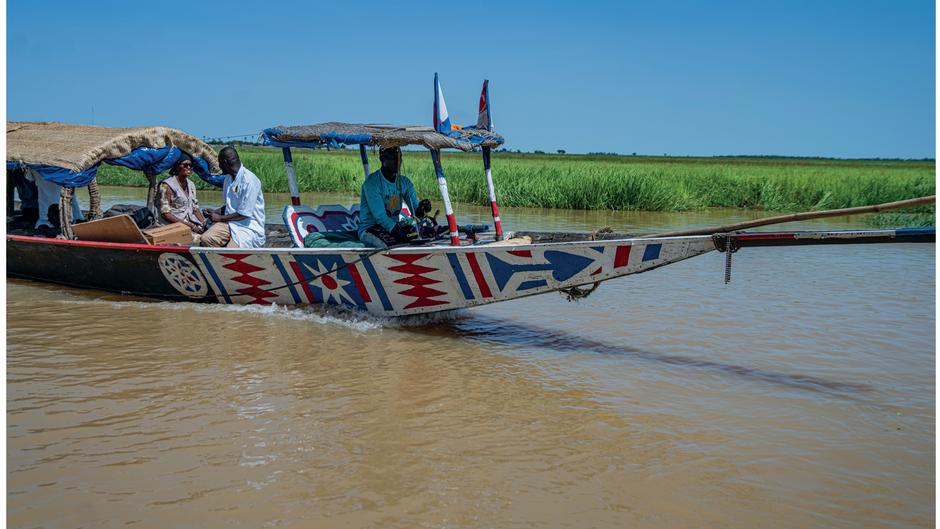
To shine a light on this forgotten struggle, seven humanitarian organizations, including Action contre la Faim, collaborated on an exhibition showcasing Tiécoura N’Daou‘s work. His photographs transcend mere documentation, offering intimate glimpses into the daily realities of those affected by conflict and displacement. Through his lens, the camera becomes more than a device—it’s a medium for empathy, awareness, and change.
the art of storytelling through photography in malian crises
Tiécoura N’Daou isn’t just a photographer; he’s an educator and researcher, deeply rooted in Mali. His approach to photography is deliberate and purposeful. “Before I press the shutter, I weigh the emotional weight of every image,” he explains. “A photograph isn’t just a moment captured; it’s a story, a plea, a call to action.” His work challenges viewers to confront uncomfortable truths while celebrating the resilience of the human spirit.
N’Daou’s exhibition in Berlin served as a bridge between Mali’s realities and global audiences. By framing the crisis through personal narratives, he humanizes statistics and fosters a deeper connection with the issues at hand. His photographs invite reflection, urging viewers to consider their role in supporting humanitarian efforts across the Sahel region.
key themes in n’daou’s photographic work
- Human resilience: Highlighting the strength of displaced families and local communities.
- Urban displacement: Documenting the challenges faced by those uprooted by conflict in cities like Gao and Menaka.
- Food insecurity: Capturing the impact of malnutrition on children and vulnerable populations.
- Community support: Showcasing the role of aid organizations and grassroots initiatives in alleviating suffering.
N’Daou’s work is a testament to the power of visual storytelling in driving social change. His photographs don’t just depict a crisis—they challenge viewers to act.
Yaoundé’s flour revolution: local grains take center stage
Meanwhile, in Yaoundé, Cameroon, a different kind of transformation is underway. The air is filled with the aroma of freshly baked bread, but this time, the scent carries a message of sustainability and innovation. The city recently hosted a competition celebrating the best artisanal bakers, organized by the Service d’Appui aux Initiatives Locales de Développement (SAILD) in partnership with the Association Citoyenne de Défense des Intérêts Collectifs (ACDIC).
The event’s mission? To champion the use of local flours in baking. From maize to cassava and millet, these grains are not only nutritious but also climate-resilient, reducing dependence on imported wheat. For Cameroon, a country vulnerable to global supply chain disruptions, this shift represents a step toward food sovereignty.
The competition showcased bakers’ creativity, from hearty loaves to delicate pastries, all made with locally sourced ingredients. Winners were celebrated not just for their skill, but for their contribution to a more sustainable food system. Initiatives like these are paving the way for a future where local flavors and traditions take precedence over imported alternatives.
As Tiécoura N’Daou’s photographs challenge us to see the human face of crises, Yaoundé’s bakers remind us of the power of innovation in building resilient communities. Together, their stories highlight the importance of local solutions in addressing global challenges.