As the countdown to the 2026 Pastef party congress begins, the spotlight intensifies on Ousmane Sonko’s eligibility to continue leading the movement. The debate centers on the implications of article 17, a clause that has sparked intense legal and political discussions among analysts, party members, and observers alike.
Legal experts are weighing in on whether the current constraints could redefine the future leadership of Pastef. With the congress looming, the question remains: does Sonko still meet the criteria to remain at the helm, or will legal hurdles reshape the party’s direction? The answers could have far-reaching consequences for Senegal’s political landscape.
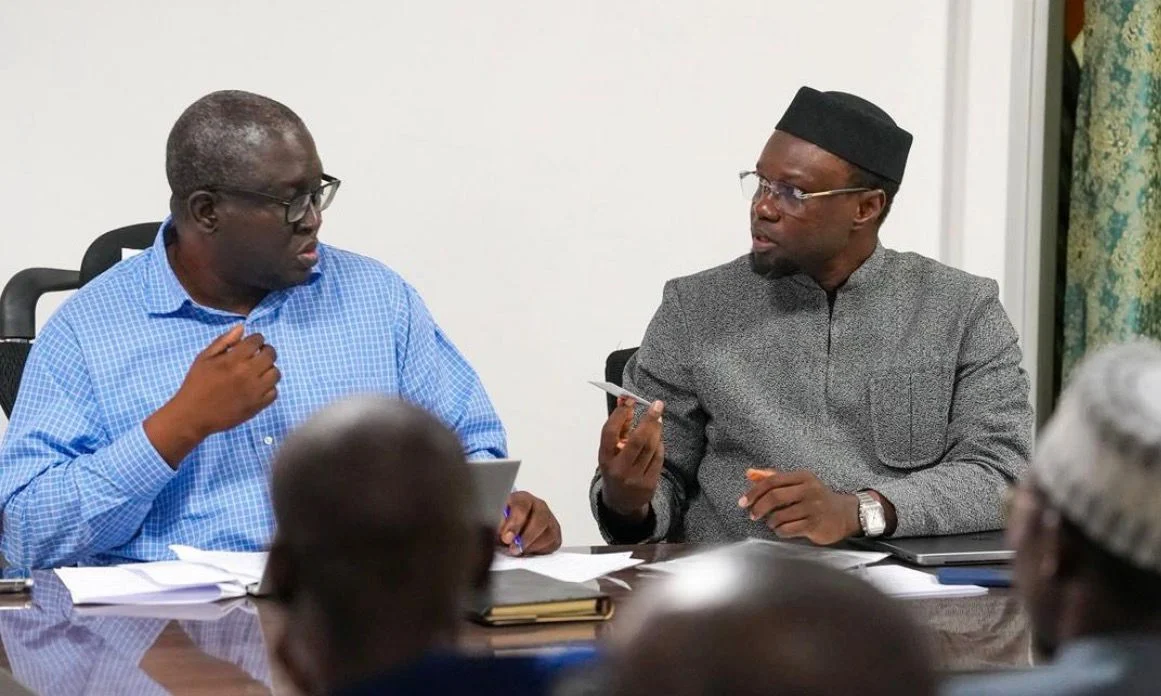
The upcoming congress has thrust the issue into the spotlight, with party insiders closely monitoring developments. Sonko’s ability to maintain his leadership role hinges on how these legal ambiguities are resolved in the coming months. Analysts suggest that the outcome could either solidify his position or force a strategic shift within the party’s ranks.
At stake is not just the future of Pastef but also the broader implications for Senegal’s political dynamics. The decisions made in response to article 17’s constraints will likely influence the party’s strategy, its alliances, and its approach to governance ahead of critical elections.