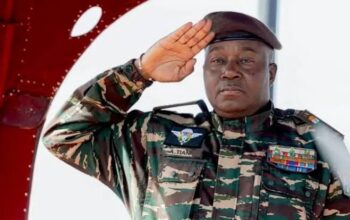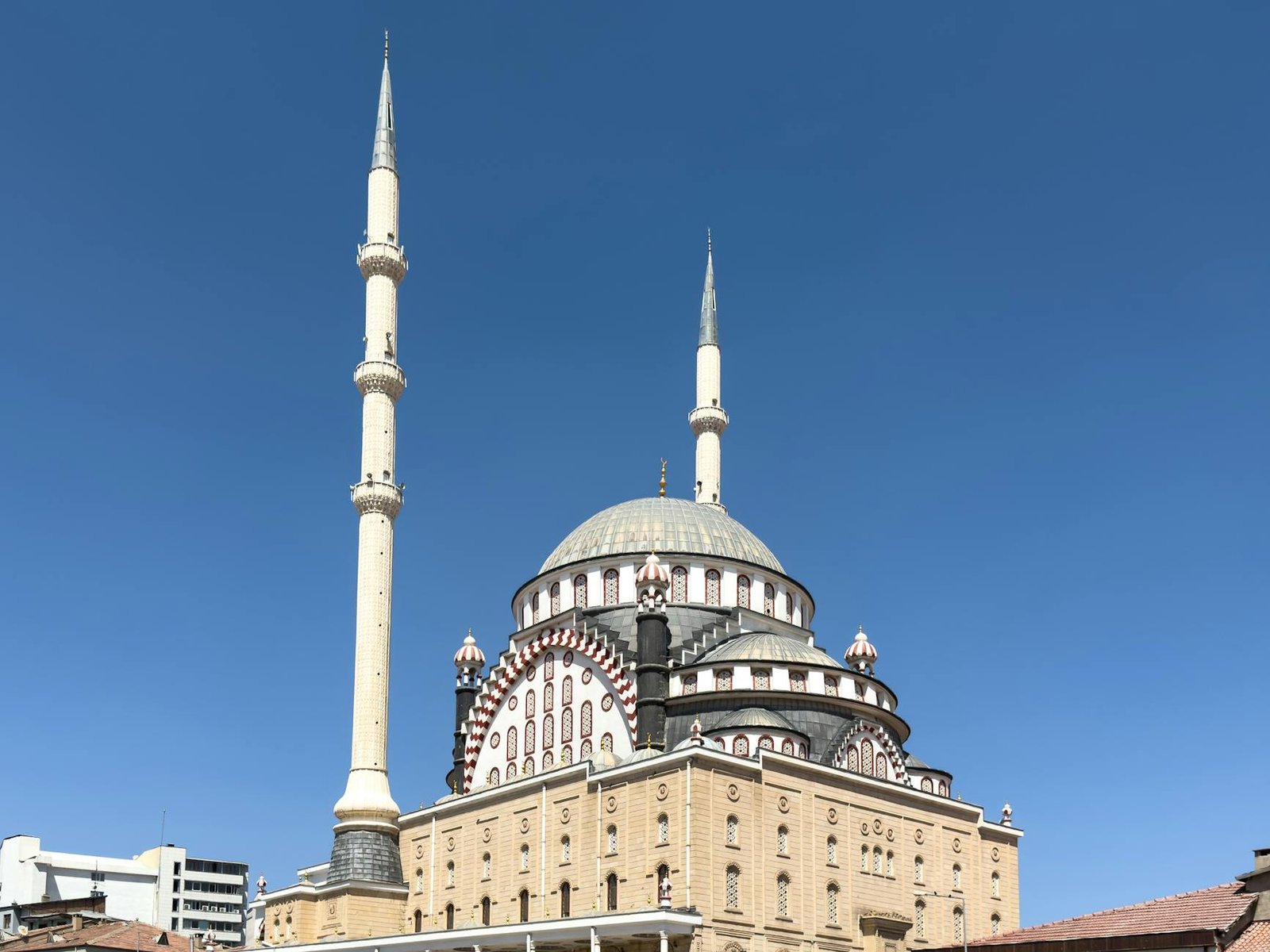
The largest sunni mosque in Ouagadougou, a central place of worship for Muslims across the Burkinabè capital, has been cordoned off by police forces since Thursday, May 29. The transitional government led by Captain Ibrahim Traoré has ordered its indefinite closure, citing risks to public order. Security personnel now maintain a constant presence around the building, preventing any gatherings outside its premises.
The decision arrives at a highly sensitive moment in the Islamic calendar, just before Eid al-Adha, known locally as Tabaski. On Tuesday evening, hundreds of worshippers gathered near the mosque, demanding news about their missing imam. This unusual display of public mobilization—especially in a country where civic space has significantly shrunk since the September 2022 coup—prompted swift action from the authorities.
a week of unrest over a missing religious leader
The closure of the sunni mosque is not an isolated incident. It concludes a week of escalating tensions following the disappearance of a prominent religious figure. Authorities have not disclosed details about the imam’s whereabouts or whether security forces detained him, leaving the community with more questions than answers.
In recent months, Burkina Faso has witnessed a troubling pattern of disappearances targeting individuals critical of or perceived as opposing the military-led government. Human rights monitors have documented cases involving judges, journalists, traditional leaders, and civil society activists—many of whom faced prolonged military requisitions or detentions under an expanded legal framework justified by the fight against armed jihadist groups.
a deliberate message on the eve of Tabaski
The timing of the mosque’s closure raises concerns. By shutting down such a symbolically and demographically significant religious site mere hours before the country’s most important Muslim celebration, authorities sent a clear signal to a community that forms the backbone of Burkina Faso’s social and religious fabric. The Ouagadougou sunni mosque is not just a building—it is a hub for the nation’s sunni population, particularly those aligned with the Sunni Movement, and typically draws thousands during major prayers.
This move underscores the junta’s struggle to balance internal control while battling an armed insurgency that has destabilized multiple regions since 2022. The government has repeatedly demonstrated firmness against dissent, whether from civil society, labor unions, suspended political parties, or now religious institutions. Yet the closure of a mosque under public order pretext remains a rare and contentious measure, one that risks deepening perceptions of restrictions on religious freedom.
preserving religious harmony in times of crisis
Burkina Faso has long been recognized for its tradition of peaceful interfaith coexistence among Muslims, Christians, and followers of traditional beliefs. This delicate balance, already strained by jihadist violence that has repeatedly targeted places of worship, now faces further strain as tensions rise between the state and a cohesive religious community in the capital.
Observers of Burkina Faso’s transitional period emphasize that the coming days will be decisive. A swift reopening of the mosque, public clarity on the imam’s status, and potential dialogue with sunni leaders could ease tensions. Conversely, prolonging the security cordon risks hardening attitudes within a community that, until now, has largely avoided direct confrontation with the regime. Worshippers continue to demand answers about their missing spiritual guide.