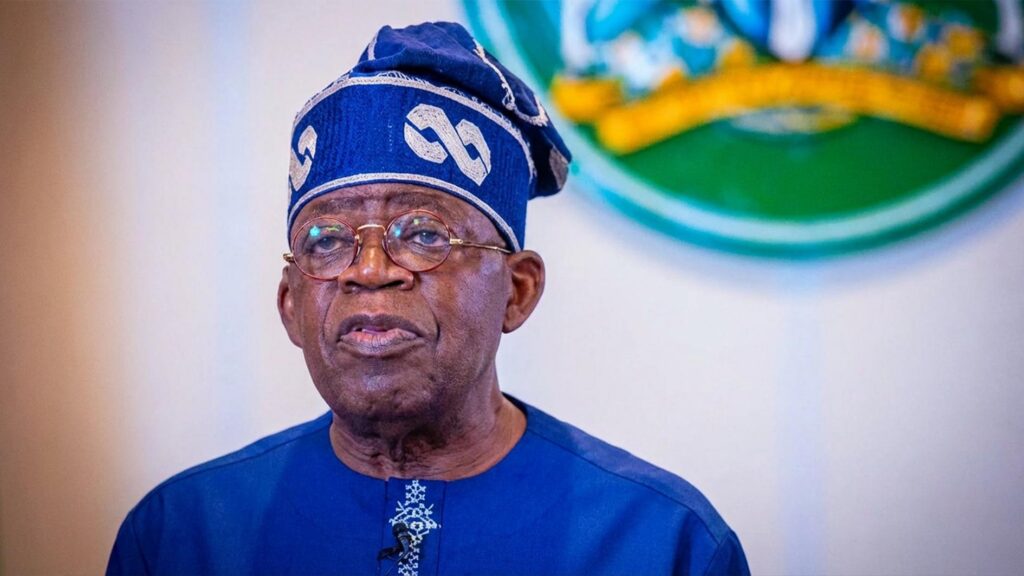
As Nigeria’s next presidential election approaches, the security of the electoral process has become the central issue in national discussions. With persistent concerns from citizens and the international community about the risks of political violence, fraud, and insecurity across several regions, the high command of the Nigeria Police Force (NPF), under President Bola Ahmed Tinubu, has issued a series of reassuring statements.
Police leadership pledges strict impartiality
Inspector General of Police Olatunji Disu and regional commanders have publicly reaffirmed their commitment to ensuring a “free, fair, and transparent” vote. To counter longstanding accusations of bias or favoritism toward the ruling party, police leadership promises strict neutrality from officers throughout the electoral process, from campaigning to vote counting. An internal audit mechanism supervised by police spokesperson DCP Anthony Placid and severe disciplinary measures have been promised for any officer who fails in their duty of impartiality.
Enhanced deployment across the country
To pacify the voting process in a vast nation facing multiple instability hotspots—banditry in the Northwest, jihadist insurgency in the Northeast, and separatist or criminal tensions in the Southeast—the police have announced:
- Massive presence at polling stations: Exceptional mobilization of personnel to prevent ballot stuffing, theft of electoral materials, and voter intimidation.
- Reinforced mobile patrols: Securing major highways and strategic collation centers.
- Inter-agency synergy: Strengthened coordination with the armed forces led by Chief of Army Staff General Waidi Shaibu, the Nigeria Security and Civil Defence Corps (NSCDC), and intelligence services orchestrated by National Security Adviser Nuhu Ribadu to lock down high-risk areas.
Technology and zero tolerance for vote-buying
To adapt to new challenges, the NPF is highlighting a modernization of its methods. Under the impetus of the Minister of Police Affairs, Ibrahim Gaidam, authorities promise to use digital surveillance tools and strengthen operational intelligence to neutralize vote-buying networks—a recurring practice in recent elections. Specialized anti-corruption units will be deployed to support investigators.
Public hopes and lingering skepticism
While these solemn commitments aim to restore citizens’ trust in institutions, civil society and opposition leaders remain vigilant. The real effectiveness of the plan will depend on the ability to translate words into action on the ground, in a particularly volatile security context. Observers note that the credibility of the upcoming election will largely rest on the police’s capacity to protect every citizen who comes out to fulfill their civic duty.
You may also like
Mali drone war: 731 civilians killed in 199 strikes, investigation reveals
Benin’s DGI sets September 21 as launch date for online tax services in Parakou
Sevilla vs Barcelona: kick-off time, tv channel and odds for the Sánchez-Pizjuán clash
Mali prison overcrowding: Bamako jail holds 10,000 in space built for 600 as mass arrests surge
World Bank brings education, jobs and entrepreneurship open days to Abidjan on 21-22 September 2026