Deadly assault strikes military engineering unit near Mali border
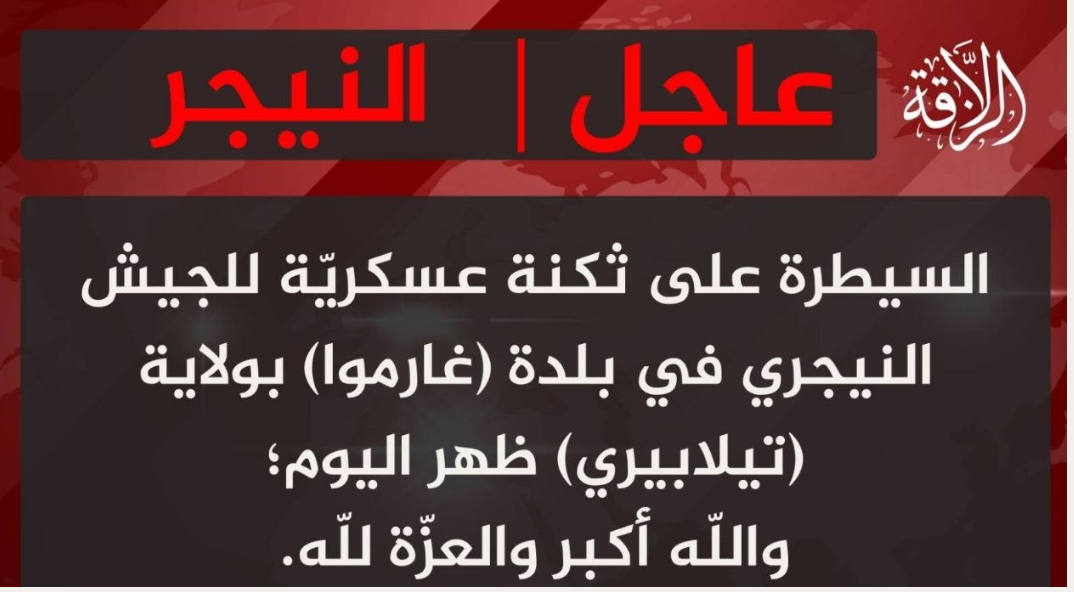
A coordinated terror attack rocked the village of Garbougna in Niger’s Tillabéri region early Thursday, leaving at least 67 people dead, including soldiers and civilians. The assault, attributed to the Group for the Support of Islam and Muslims (JNIM), targeted a military engineering unit deployed to construct a critical bridge in the strategically vital three-border zone.
A predawn massacre in a high-risk region
The attack unfolded shortly after 5 a.m. local time, catching the engineering unit off guard. Armed assailants, traveling in pickup trucks and on motorcycles, stormed the military base with heavy firepower and explosives. Despite a fierce counterattack by Nigerien troops, the attackers overwhelmed the defenses, turning the area into a battleground.
The attackers, identified by military intelligence as JNIM operatives—linked to Al-Qaeda—executed a meticulously planned operation. Their sudden assault exploited the early morning darkness, ensuring maximum shock and disruption.
Losses extend beyond the battlefield
The human toll is devastating. Among the dead are 67 individuals, including soldiers from the engineering corps and civilians who were collaborating with the military on development projects. Many of the civilian victims were local laborers, equipment operators, and villagers working alongside the troops on infrastructure initiatives.
Several wounded, some in critical condition, were airlifted to regional hospitals and medical centers in Niamey. Search and rescue operations are ongoing in the surrounding bushland to locate potential survivors.
Targeting progress: a deliberate strategy of terror
The engineering unit was not engaged in combat operations. Its mission was purely developmental: completing a bridge that would connect isolated communities, boost regional trade, and revive the economy of Tillabéri, which has been crippled by years of insecurity.
The JNIM’s choice of target sends a chilling message. By attacking development projects, the group seeks to sabotage state authority and prevent the resumption of normal life. Cutting off access, destroying infrastructure, and instilling fear are long-standing tactics used to weaken local resilience and maintain control over the population.
The three-border zone remains a flashpoint of instability
This latest attack underscores the persistent vulnerability of the three-border area—shared by Niger, Mali, and Burkina Faso. Despite intensified joint military operations and enhanced security measures, the threat posed by armed groups remains acute. Their ability to launch deadly raids and retreat across porous borders highlights the ongoing challenge of securing the region.
In Niamey, shock and outrage have swept through the capital. Military authorities have vowed that the sacrifice of those lost will not be in vain and that national reconstruction efforts will continue in their memory.
A turning point in the fight against terror
The Garbougna attack marks a grim milestone in Niger’s battle against terrorism. The engineering soldiers represented more than just a military presence—they embodied hope for a return to stability and prosperity in Tillabéri. The loss of 67 lives serves as a stark reminder that the war against extremism is fought not only on the battlefield but also through the restoration of infrastructure and economic resilience.
The coming days will test the resilience of the Nigerien people once again as they confront the dual challenge of security and development in the Sahel.