Niger’s COVACC issues urgent alert ahead of the 2026 rainy season
As the first signs of the rainy season approach, authorities in Niger are sounding the alarm over the potential hazards of the 2026 hivernage. The Centre Opérationnel de Veille, d’Alerte et de Conduite de Crises (COVACC), operating under the Ministry of the Interior, has urged citizens—particularly livestock herders—to exercise extreme caution due to forecasted heavy rains and violent winds across the country’s agropastoral belt.
The national meteorological service predicts a season marked by normal to above-average rainfall, with strong winds expected to accompany the early rains. This combination poses significant threats to livestock health and local infrastructure, raising concerns among rural communities that rely heavily on pastoralism for their livelihoods.
Early storms already cause damage in key regions
Reports from the General Directorate of Civil Protection (DGPC) indicate that severe weather has already struck several areas. In Allakaye, within the Bouza department of the Tahoua region, high winds tore through a school complex, damaging the roof of a three-classroom block, a mud-brick classroom, and a wall of an integrated health center. Meanwhile, in Dosso, the commune of Dankassari witnessed the destruction of a two-classroom block, a storage warehouse, six streetlights, and five electric poles.
These incidents serve as a stark reminder of the destructive power of early-season storms, which often catch unprepared communities off guard.
Why livestock and infrastructure are most at risk
The COVACC highlights that the onset of rains typically brings violent winds that disproportionately affect weakened livestock—especially cattle that have endured the lean season. Malnourished animals are more susceptible to stampedes, injuries, and fatalities during such weather events. Additionally, rural infrastructure, often built with traditional materials like banco (sun-dried mud bricks), proves highly vulnerable to collapse under heavy rainfall and high winds.
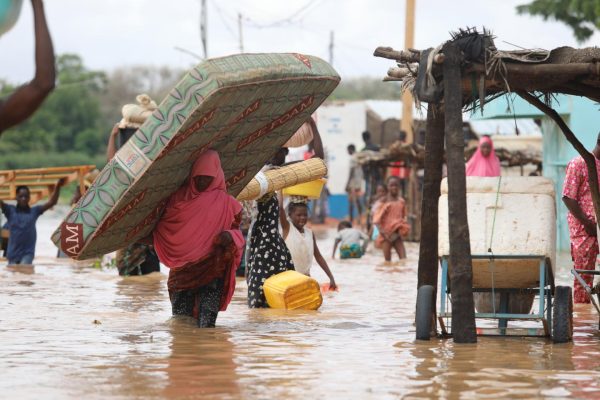
Communities in flood-prone areas, such as dried riverbeds (koris) and seasonal watercourses, face heightened dangers as sudden downpours can transform these into raging torrents within minutes. The COVACC warns against grazing livestock in these zones and urges residents to avoid water runoff paths entirely.
Government calls for proactive measures
To mitigate risks, authorities are urging Nigeriens to stay informed by monitoring official weather bulletins and emergency alerts. The COVACC has issued several key recommendations:
- Move livestock to sheltered areas during storms to prevent injuries or loss;
- Refrain from driving herds through koris or dry riverbeds that may become flash flood channels;
- Avoid roads and pathways prone to water runoff;
- Report any damage or emergencies immediately to local authorities.
These precautions are especially critical in Niger, where pastoralism supports millions of households and contributes significantly to the national economy. The country’s agropastoral belt, spanning vast regions, relies on predictable rains to rejuvenate pastures but must now contend with the dual challenge of climate variability and recurring extreme weather.
Preparation as the best defense against climate threats
With the core of the 2026 rainy season approaching, the COVACC’s message is clear: proactive prevention is the most effective strategy to safeguard lives, livestock, and livelihoods. For pastoralist families, this season could either replenish vital grazing lands or erase years of hard-won agricultural and economic progress. As the government intensifies monitoring and response efforts, communities are being called upon to act decisively to reduce the human and economic toll of climate-related disasters.