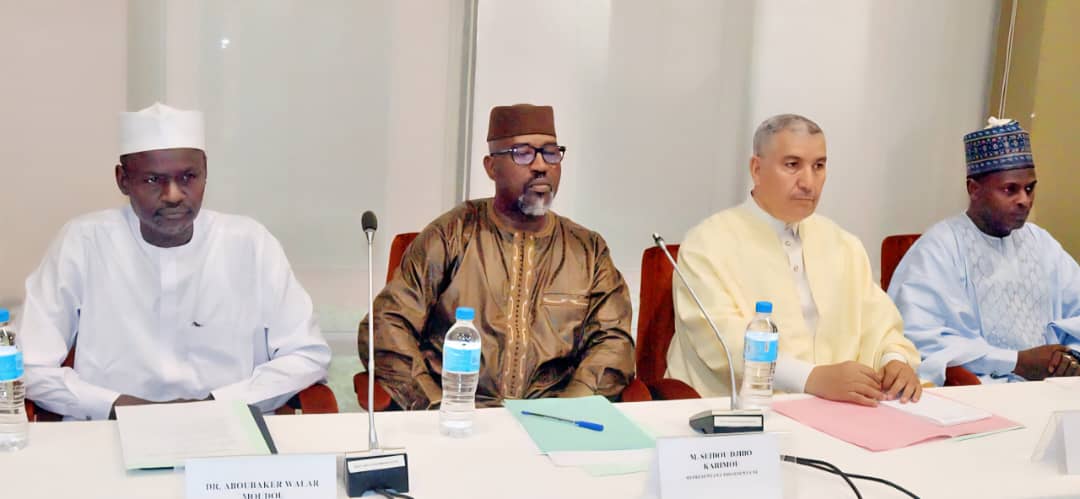
Niamey played host to a pivotal training workshop on Friday, bringing together religious leaders from across Niger. Organized by the League of Ulemas, Preachers, and Imams of the Sahel (LOPIS) in partnership with the Unité de Fusion et de Liaison (UNFL), the session focused on equipping religious officials with tools to counter radicalization through intellectual resilience.
The event, held under the theme “Building Intellectual Immunity and Deconstructing Radicalized Discourse”, aimed to foster critical thinking among attendees while providing strategies to address extremist narratives within communities. According to a statement from LOPIS, the training emphasized the role of religious scholars in promoting peace and preventing the spread of violent ideologies.
Key objectives of the initiative
The workshop addressed several core goals:
- Strengthening theological foundations: Participants explored ways to reinforce their understanding of Islamic teachings to counteract misinterpretations that fuel extremism.
- Countering radical narratives: Practical sessions were dedicated to identifying and dismantling propaganda that distorts religious texts for violent purposes.
- Promoting community resilience: Religious leaders were equipped with communication techniques to engage with youth and vulnerable groups effectively.
Collaborative efforts in the Sahel
The initiative reflects growing regional cooperation among religious institutions to address security challenges. By uniting clerics from Niger and neighboring Sahel countries, the program seeks to create a unified front against radicalization. The involvement of UNFL underscores the importance of interfaith dialogue and institutional partnerships in combating extremism.
Impact on Niger’s religious landscape
Religious scholars in attendance described the training as a timely intervention to safeguard communities from external influences that exploit faith for destructive ends. The discussions highlighted the need for continuous education and collaboration to maintain intellectual integrity within religious institutions.