
N’Djamena’s urban disorder: poverty’s shadow over city cleanup efforts
Restoring order in N’Djamena’s streets demands more than strict enforcement—it requires addressing the root causes of urban chaos tied to entrenched poverty.
N’Djamena’s municipal authorities have drawn a clear line in the sand: no tolerance for urban disorder. From unregulated street occupations to visible poverty in public spaces, the capital is entering a new phase of strict regulation aimed at restoring public order and modernizing the urban landscape.
On the surface, the goal is justified. A city cannot thrive amid constant chaos, and the push for an orderly urban environment is entirely understandable. Yet the deeper question lingers: can disorder truly be curbed without confronting the forces that fuel it?
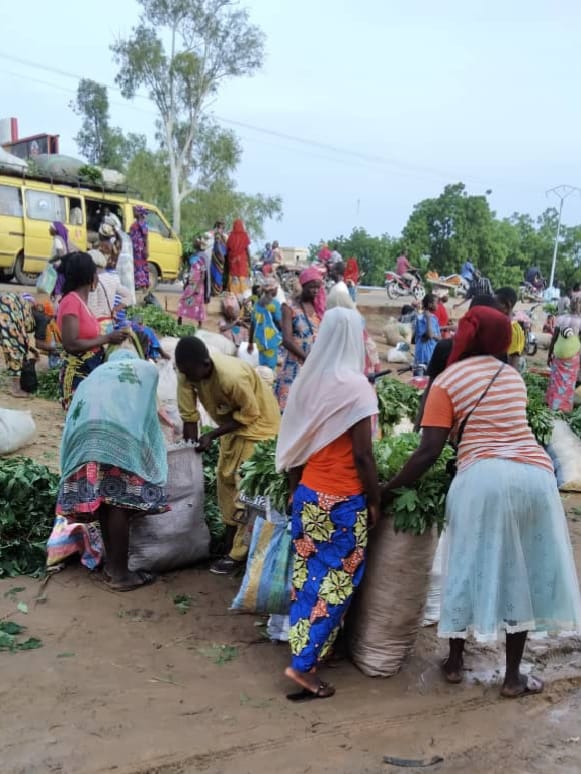
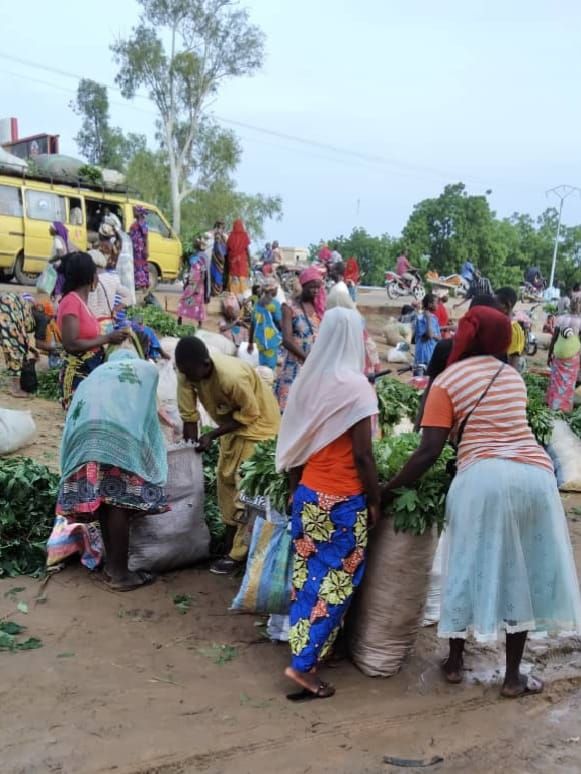
Beneath the surface-level infractions lies a far more complex reality—one rooted in structural poverty. In N’Djamena, as in many African capitals, the streets are not merely spaces of rule-breaking; for countless residents, they represent survival. Informal vendors, beggars, and jobless youth don’t occupy public spaces out of defiance; they do so out of necessity.
A purely punitive approach risks treating symptoms rather than causes. Clearing streets without economic alternatives or tightening controls without social support programs only displaces the problem without resolving it. True urban renewal cannot rely solely on crackdowns or public clean-up campaigns.
The stakes extend beyond security or aesthetics—they are fundamentally social, economic, and political. A genuinely modern city isn’t built on forced compliance or temporary discipline; it’s built on opportunity, structured informal economies, job creation, and support for vulnerable populations.
Zero tolerance may create the illusion of order, but coercion without inclusion breeds fragility. As long as poverty remains entrenched, the streets will continue to serve as a refuge for those with nowhere else to turn.
The real challenge isn’t how to eliminate urban disorder—it’s how to transform the conditions that make it inevitable. N’Djamena now faces a critical choice: will it pursue a holistic strategy that addresses root causes, or will it settle for short-term fixes that leave the problem intact?