N’Djamena pupils turn to cassava sales for school fees during holidays
In N’Djamena, students like Léa take advantage of school breaks to sell cassava, gaining life skills and financial independence amid widespread poverty.
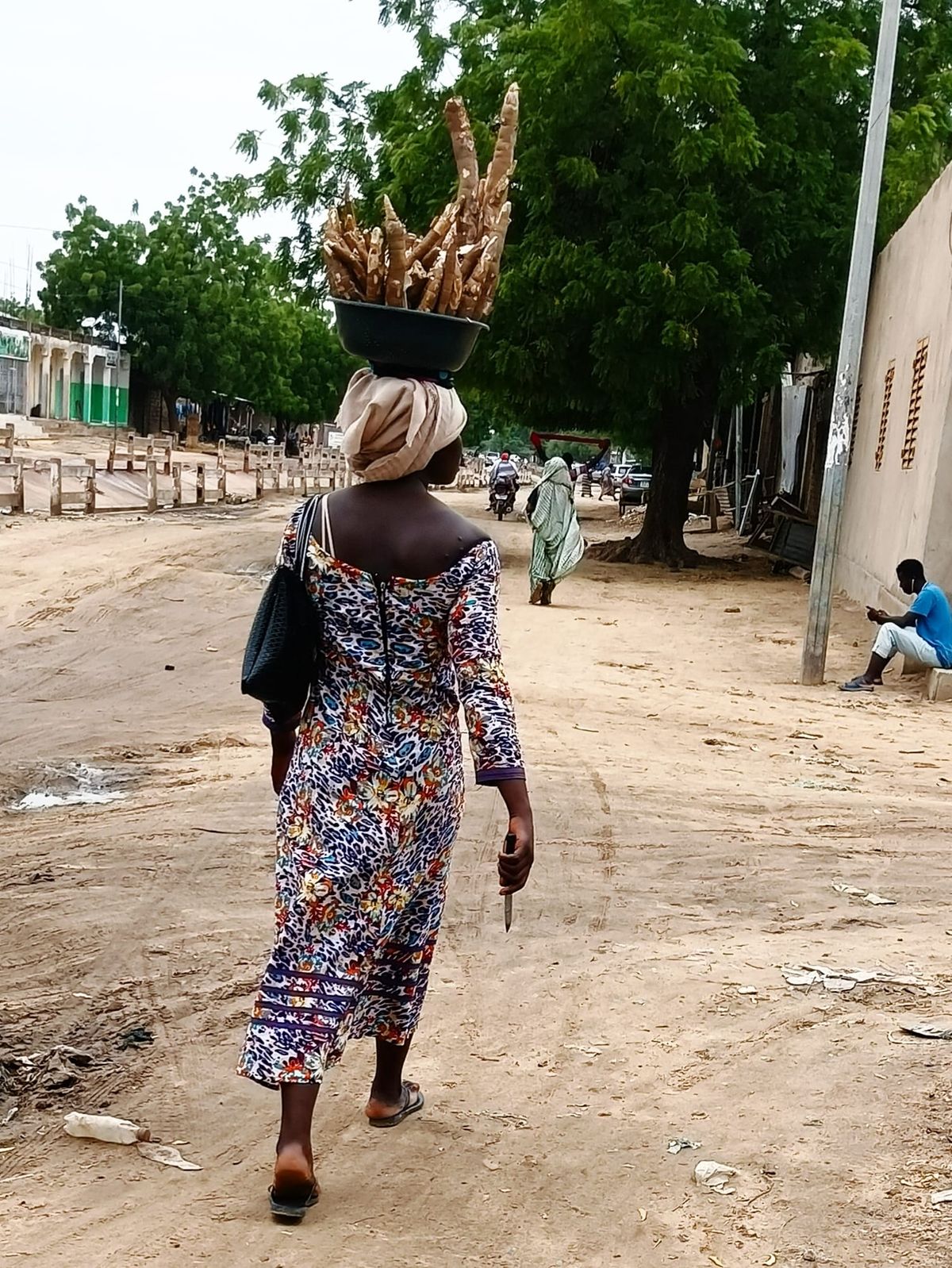
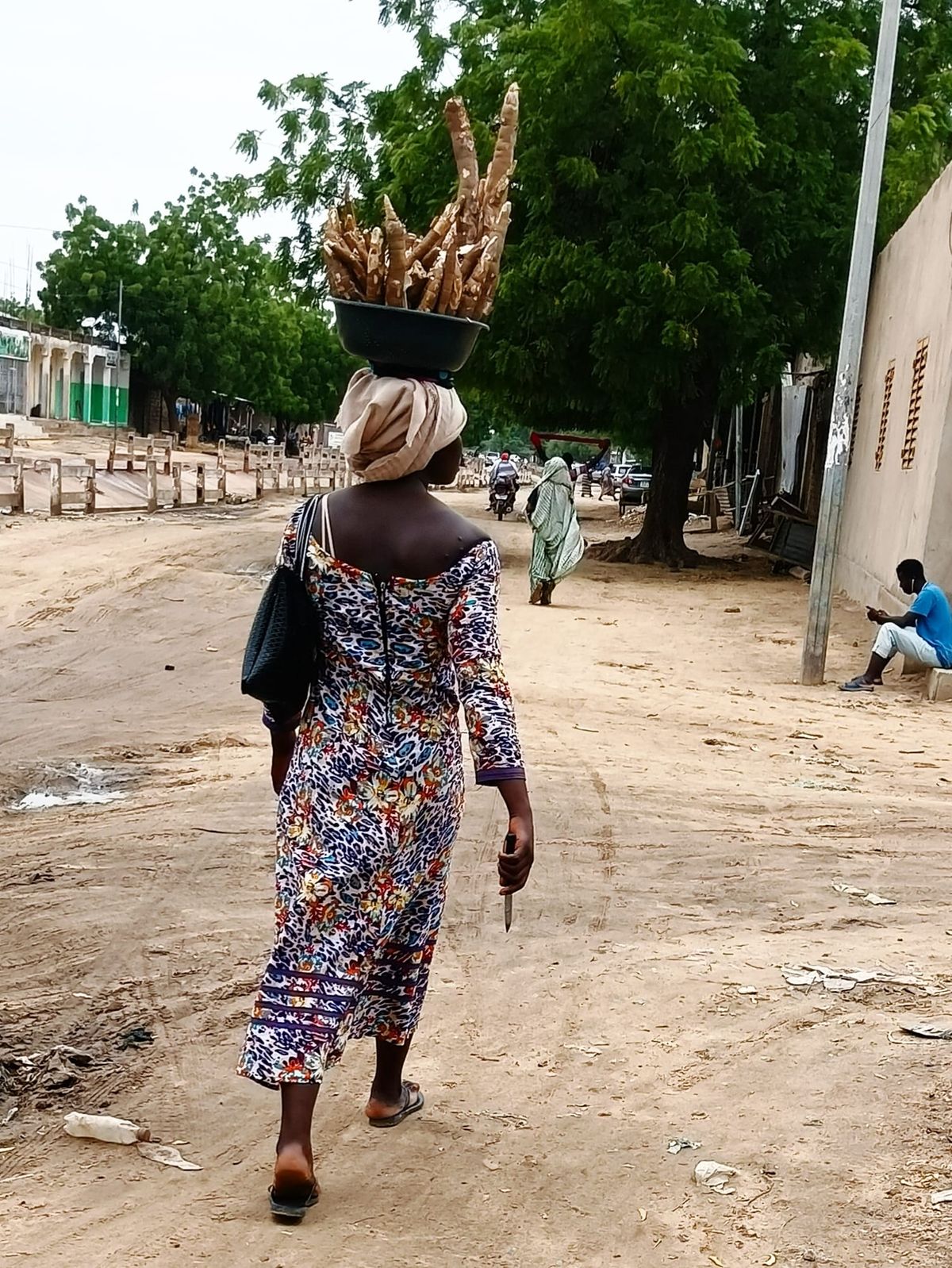
School holidays in N’Djamena aren’t just about relaxation for many students. Instead, they become a classroom without walls, teaching lessons no textbook ever could. Léa, a 10th-grade student from the Kilwiti neighborhood, has embraced this reality head-on by selling cassava during her break. With a basin balanced on her head, she navigates the capital’s bustling streets daily in search of buyers.
“I live with my mother in Kilwiti,” she shares. “Selling cassava during the holidays helps me earn enough to cover next year’s school fees.” The young vendor explains that cassava prices in the market range from 50 to 500 FCFA, depending on the portion size. Her approach has inspired other girls in her neighborhood to adopt similar hustles, though the path isn’t without its hurdles.
Challenges and community support
Rising cassava costs have made it harder for small sellers like Léa to turn a profit. “Some customers complain when we sell portions at 100 or 200 FCFA,” she admits. “They don’t realize we buy the stock at high prices ourselves—we can’t sell below cost.” Despite these frustrations, she notes that many locals understand their situation and actively support their efforts to fund their education.
Behind Léa’s story lies a broader economic struggle. With 44.8% of Chad’s population living below the national poverty line and 36.5% surviving on less than $2.15 per day, the country’s youth face an uphill battle. The World Bank ranks Chad among nations with the weakest human capital indices, further limiting career opportunities for young people.
Building resilience for tomorrow
Léa’s hustle reflects a growing shift in mindset among N’Djamena’s youth. Faced with an unpredictable job market and schools that struggle to secure stable futures for graduates, these students are taking charge of their destinies. By balancing academics with small-scale entrepreneurship, they’re learning the value of discipline, adaptability, and financial independence—skills that will serve them long after the school bell rings.