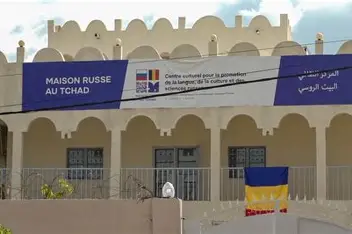
From Bamako to Bangui and Niamey, the network known as “Russian Houses” has emerged as a central component of Moscow’s influence strategy across the African continent. These centres, officially focused on cultural and educational cooperation, now operate in over twenty countries and serve as a cornerstone of Russia’s soft power efforts.
Through Russian language instruction, cultural events, and the allocation of thousands of university scholarships, Russia aims to burnish its image among African youth. The goal is to cultivate a new generation of professionals, academics, and decision-makers who are well-versed in Russian values and aligned with Moscow’s geopolitical interests.
Yet this approach has not escaped scrutiny. While African students gain valuable opportunities, some analysts question whether these initiatives serve purely altruistic ends. By channelling substantial resources into education and culture, Russia may be seeking to shape perceptions and influence the continent’s future elites.
Historical precedent shows that major powers have long leveraged education, academic exchanges, and cultural diplomacy to extend their influence abroad. Educating future generations is a proven method for building lasting networks and cementing long-term political alliances.
In an era when several African nations are experiencing a reduction in Western engagement, Russia appears eager to fill the void. The “Russian Houses” thus function not merely as cultural hubs but as strategic instruments designed to embed Russian influence deeply into African societies.
The central question remains: is this a benign cultural cooperation effort, or a deliberate campaign to mould mindsets and exert lasting influence over the continent’s future generations?
You may also like
Will the AES ever launch its own currency? The question Traoré keeps leaving unanswered
South Africa’s mass shooting crisis: can Johannesburg and Cape Town ever feel safe again?
Can Ibrahim Traoré’s 300 armored vehicles claim survive scrutiny? Inside Faso Armored’s made-in-Burkina Faso gamble
Can Washington force third-country deportations? Ivory Coast’s refusal raises the stakes
Will Benin’s AEO exporters finally crack the Chinese market?