As Morocco prepares for a pivotal legislative vote in September 2026, the political landscape is buzzing with speculation over potential successors to Prime Minister Aziz Akhannouch. The stakes are high, and the field of contenders is crowded with figures who bring distinct strengths—and weaknesses—to the table.
the power players in the running
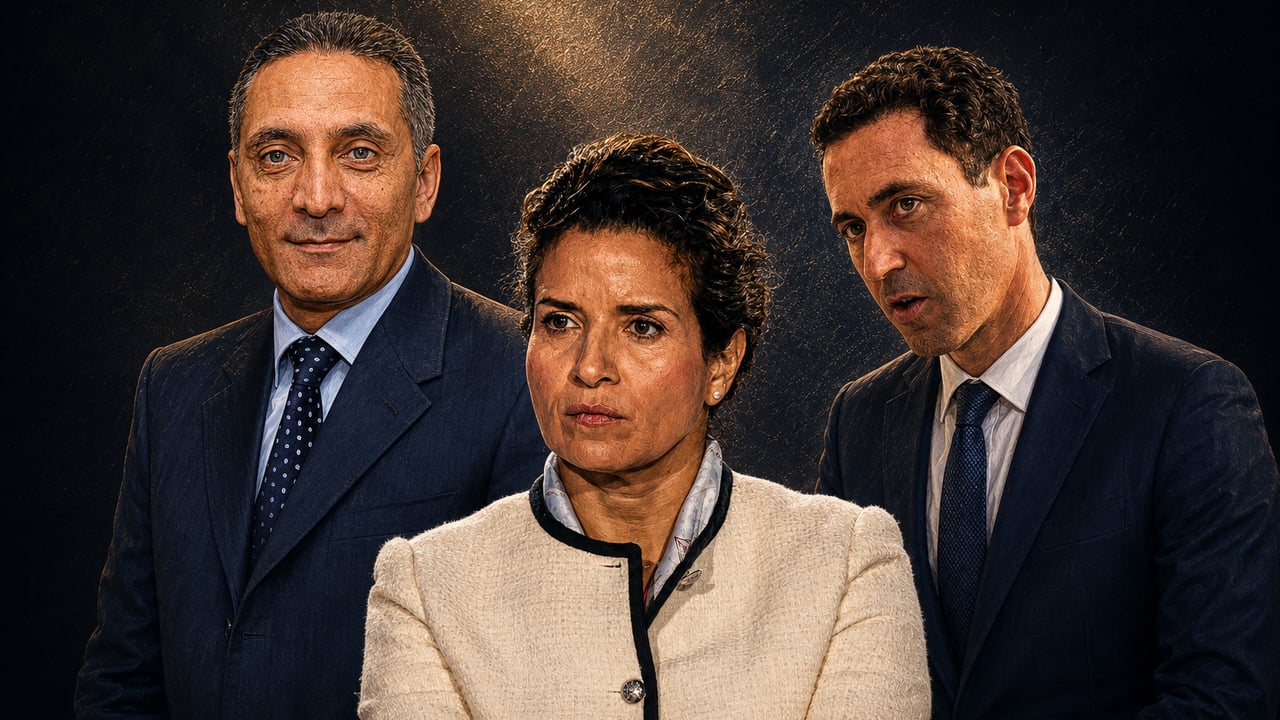
Among the most prominent names circulating in Rabat’s corridors of power is Mostafa Terrab, a seasoned technocrat with deep ties to Morocco’s economic sector. His reputation as a reformer and his leadership at the helm of major state-owned enterprises make him a formidable candidate, though his lack of direct political experience could hinder his bid.
Nizar Baraka, a former minister and current secretary-general of the Authenticity and Modernity Party (PAM), brings both political acumen and party loyalty to the race. His strategic mind and grassroots support within PAM give him a significant edge, but his alignment with a single party may limit his broader appeal.
the wildcard candidates
Abdelouafi Laftit, Morocco’s Interior Minister, is another name frequently mentioned. His control over domestic security and his role in navigating recent political challenges position him as a stabilizing force. However, his controversial decisions and the sensitivity of his portfolio could deter some lawmakers from backing him.
Younes Sekkouri, a rising star in the National Rally of Independents (RNI), is gaining traction for his dynamic approach to governance. His youth and fresh perspective resonate with younger voters, but his relative inexperience in high-stakes negotiations remains a question mark for skeptics.
the outsiders with potential
Nadia Fettah Alaoui, a former minister of tourism, has carved out a reputation as a pragmatic problem-solver. Her cross-party appeal and knack for economic diplomacy make her a dark horse in the race, though her lack of a strong party machine could work against her.
Fouzi Lekjaâ, a businessman and former advisor to the king, offers a blend of private-sector expertise and royal connections. His ability to navigate both economic and political spheres makes him a compelling outsider candidate, but his ties to elite circles may alienate segments of the electorate seeking change.
what’s at stake
With the legislative elections looming, the outcome will hinge on which candidate can balance party loyalty, public trust, and the ability to deliver tangible results. The next prime minister will face pressing challenges, from economic recovery to social cohesion, all while navigating a fragmented political landscape.
The race is far from settled, and the coming weeks will reveal which figures can rise above the noise to claim the Mechouar Saïd.