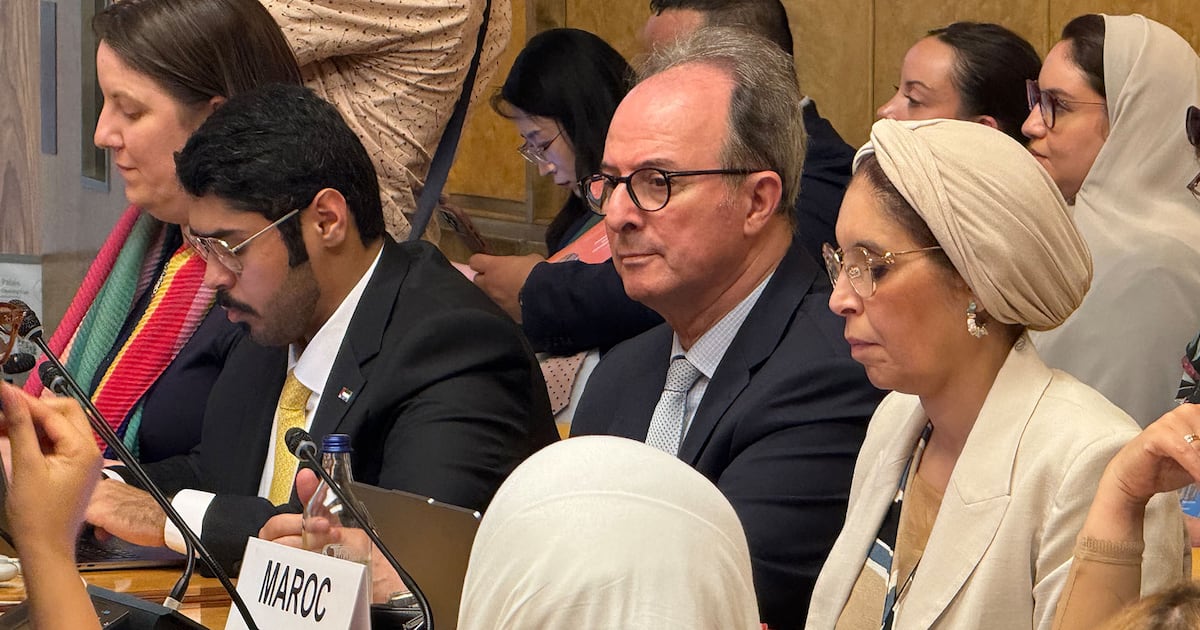
During a recent gathering in Geneva, themed “Beijing after 30 years: mobilizing the United Nations human rights system for progress towards gender equality and the full enjoyment of rights by women and girls,” Morocco took the opportunity to present its insights and proposals concerning global human rights governance.
El Habib Belkouch underscored the critical importance of actively engaging in the work of the Human Rights Council. He emphasized that these forums serve as vital platforms for monitoring both national and international developments. Morocco notably contributed to this discourse by hosting an international colloquium in Rabat, commemorating the 20th anniversary of the Universal Periodic Review (UPR), an initiative hailed as the first of its kind globally.
This significant meeting led to the formulation of concrete recommendations aimed at enhancing the effectiveness of one of the UN system’s most robust accountability mechanisms. Belkouch clarified that this was not an isolated event but rather a strategic step within a broader framework designed to strengthen and streamline international human rights mechanisms.
In line with this vision, the Moroccan official revealed plans for an upcoming international event dedicated to evaluating various components of the UN system. This includes both the special procedures, such as rapporteurs and working groups, and the conventional treaty-based mechanisms. The overarching goal is to foster greater institutional coherence, particularly in a landscape marked by an increasing number of mechanisms and occasional thematic overlaps, especially in areas like children’s rights.
El Habib Belkouch also highlighted the current international environment, characterizing it as a “period of crisis.” Paradoxically, he views this challenging time as an opportune moment to drive forward ambitious reforms. He asserted that “overcoming the crisis necessitates charting positive pathways, consolidating achievements, and reinforcing the position of human rights in the face of challenges observed across numerous regions globally.”
Furthermore, he showcased Morocco’s evolving experience with national mechanisms for monitoring and implementing international recommendations. This approach is gaining international recognition as a developing model, attracting considerable interest from several nations. Countries such as Korea, the Netherlands, and the United Arab Emirates have expressed keen interest in the Moroccan experience and have initiated discussions to draw inspiration from it.
For the interministerial delegate, these national mechanisms represent the future of human rights action, as they facilitate the crucial transition from the formulation of recommendations to their concrete implementation. He concluded, “It is at this level that the genuine realization of human rights unfolds.”
He also noted that this critical topic was among the most prominent subjects presented at the Glion forum, where Morocco contributed last year. This engagement further solidifies Morocco’s commitment to actively participate in foundational debates shaping the future of the international human rights system, while simultaneously promoting its own advancements and advocating for more efficient and coherent governance.