Armed factions claim control of Point Zéro amid escalating violence in South Kivu
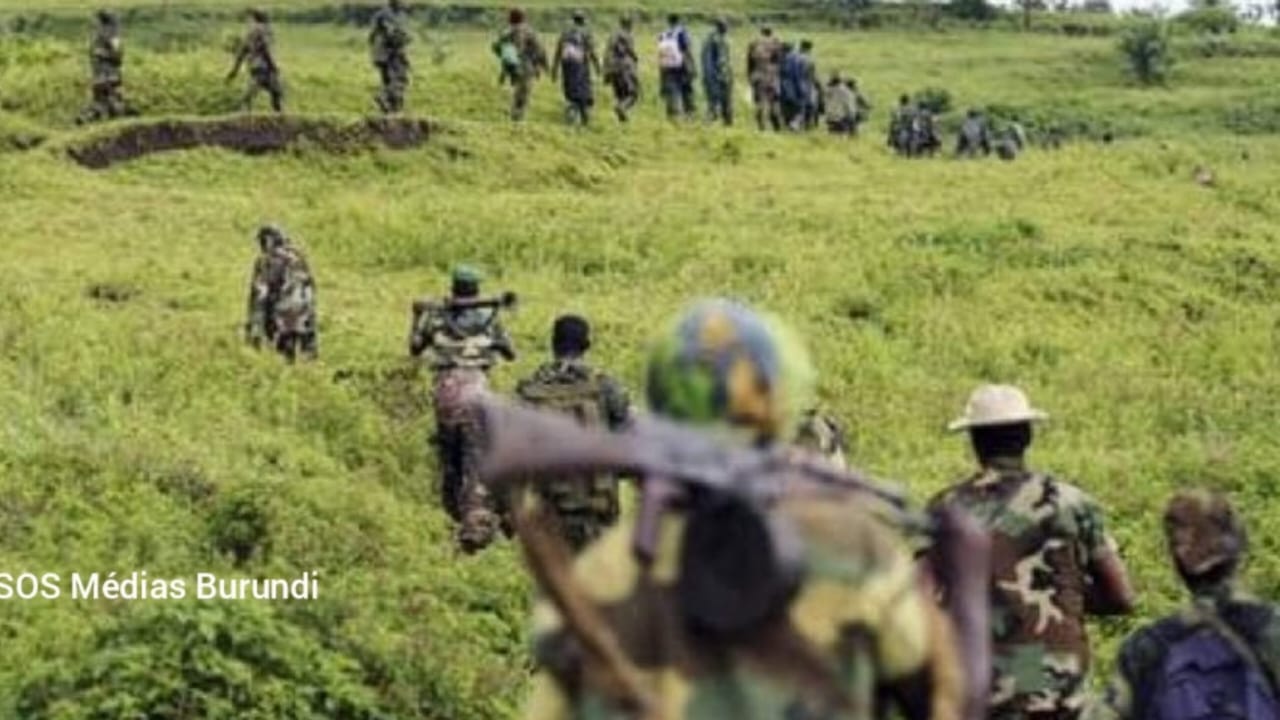
Minembwe, July 6, 2026 — Two armed groups operating in eastern Democratic Republic of the Congo (DRC) have declared victory over the strategic military outpost of Point Zéro in the Itombwe highlands. The Twirwaneho armed faction and the M23/AFC-M23 coalition, aligned with the Alliance Fleuve Congo (AFC), announced they seized the base following intense clashes over the weekend.
The position, historically a stronghold for Congolese Armed Forces (FARDC), Burundian National Defence Force (FDNB) troops, and pro-government Wazalendo militias, sits on a critical juncture linking Minembwe, Mikenge, and Kalongi. While no official statements have been released by government forces, local witnesses and residents report seeing armed groups consolidate control over multiple nearby locations.
Battle for dominance in South Kivu’s highlands
According to a military spokesperson for Twirwaneho, Fidèle Rugabo, the offensive began on Saturday, July 4, culminating in the capture of Point Zéro after hours of combat. The communiqué stated that FARDC units, Burundian soldiers, and Wazalendo militiamen withdrew from the area without resistance.
Local sources in Minembwe describe a tense atmosphere, with civilians cautiously optimistic that the shift in control could curb further violence. One resident, requesting anonymity, expressed cautious hope: “We’ve endured months of fighting. If this base has truly fallen, maybe it will bring some peace to the region.”
Reports indicate that government-aligned forces abandoned additional positions, including Mikenge, Kalongi, Rubemba, and Kakenge, retreating toward Mutambala, Mukera, and the neighboring territory of Fizi. These claims remain unverified as of publication.
A strategic prize in a volatile region
Point Zéro, situated in the rugged Itombwe massif, has long been a flashpoint in the DRC’s eastern conflict. The base overlooks critical routes connecting several towns and villages, making it a high-value target for armed groups vying for territorial influence. Since early 2026, violence has surged in the highlands following the M23/AFC-M23’s withdrawal from Uvira, transforming the area into one of the conflict’s most active zones.
Burundian military presence under regional scrutiny
The FDNB’s deployment in eastern DRC operates under a bilateral security agreement between Kinshasa and Gitega. The pact, confirmed by both governments, allows Burundian troops to conduct joint operations alongside FARDC against armed factions in the region. Official data suggests over 29,000 Burundian soldiers were stationed in eastern DRC between August 2022 and December 2025, initially tasked with combating Burundian rebel groups like RED-Tabara before expanding their mandate.
Recent months have seen troop movements in territories including Mwenga, Fizi, and Uvira, coinciding with a spike in clashes between government forces and armed groups. The FDNB’s role has drawn criticism from neighboring nations, with accusations of cross-border interference and collusion with Congolese authorities.
Regional tensions fuel ongoing instability
The conflict in eastern DRC remains deeply entangled in regional rivalries. Kinshasa frequently accuses Kigali of backing the M23/AFC-M23, a claim Rwanda denies, while Kigali alleges Congolese cooperation with the Democratic Forces for the Liberation of Rwanda (FDLR), a group composed of former génocidaires. Burundi has also accused Rwanda of supporting hostile armed factions in eastern DRC, while Kigali criticizes Gitega’s alleged ties to the FDLR and other regional militant groups.
Despite diplomatic efforts, including a June 27, 2026 agreement between the DRC and Rwanda under U.S. mediation aimed at de-escalating tensions, violence persists on the ground. The Itombwe highlands continue to simmer as a focal point of instability, where local rivalries, community tensions, and geopolitical maneuvering sustain a complex and enduring crisis.
As of this report, no official responses have been issued by FARDC, FDNB, or Burundian authorities regarding the armed groups’ claims.