In the heart of West Africa, Mali stands resilient under its transitional authorities, who remain steadfast in their resolve to combat armed groups. The April 25 coordinated assaults by jihadists from Jnim, affiliated with al-Qaïda, and separatist rebels from FLA marked a turning point. These attacks resulted in the tragic death of Defense Minister General Sadio Camara and led to the temporary loss of Kidal to rebel control. Since then, Jnim has imposed a blockade on Bamako, intensifying attacks across the country. Despite these challenges, the Malian Armed Forces and their Russian allies from the Africa Corps continue their counteroffensives, demonstrating unyielding determination.
public backing for transitional leadership
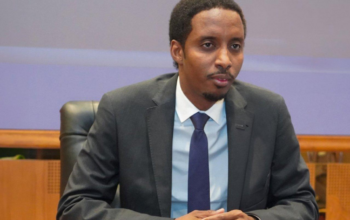
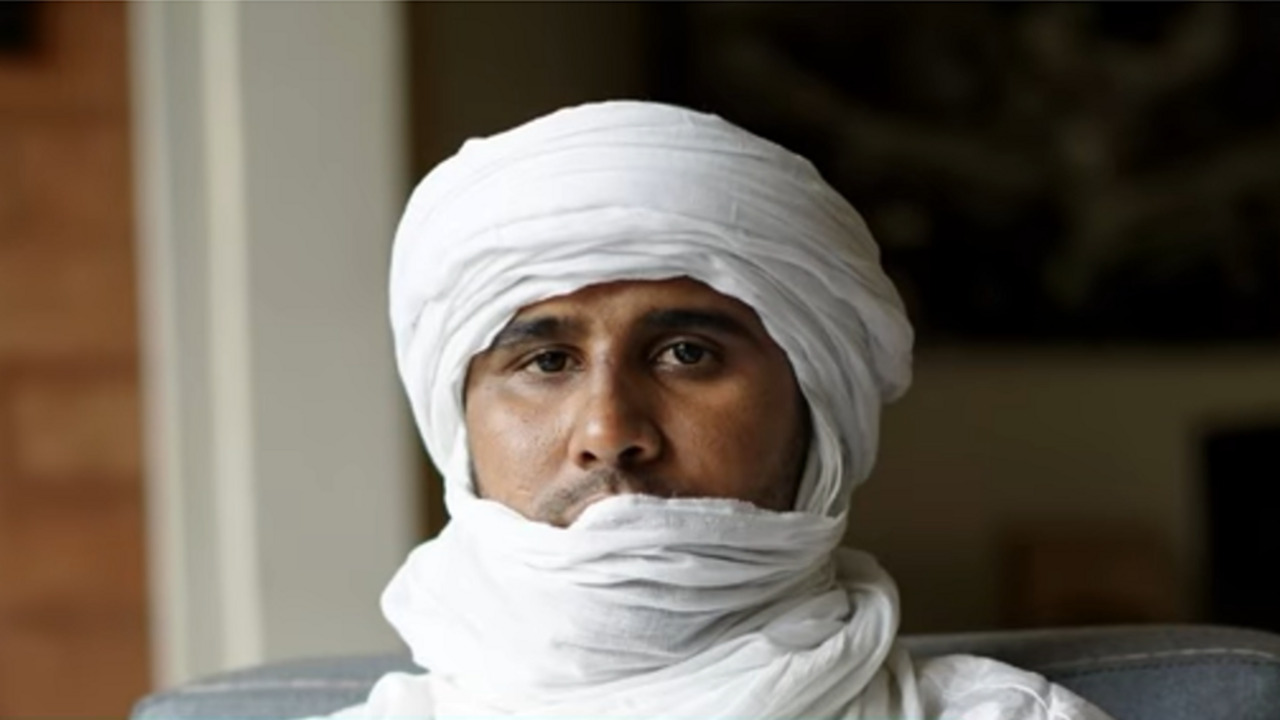
Moussa Ag Acharatoumane, a prominent figure in Mali’s National Transition Council and leader of the MSA—a politico-military group allied with the transitional government—shared insights on the current security landscape. The MSA collaborates closely with the Malian military and the Africa Corps in the northern regions, particularly around Ménaka. When asked about the resilience of the regime led by Assimi Goïta, Moussa Ag Acharatoumane was unequivocal: «Assimi Goïta remains the leader Mali needs.»
The National Transition Council, functioning as a legislative body in the absence of elections for nearly six years, underscores the government’s commitment to stability. Ag Acharatoumane emphasized, «Despite the April 25 attacks, Mali stands tall. The state is functioning, and our defense and security forces have repelled terrorist actions, despite internal and external complicities.»
He further added, «Today, our army is more united than ever. The command structure is cohesive, morale is high among soldiers on the ground, and operations are ongoing nationwide.»
united front against terrorism
The alliance between Jnim and FLA has raised concerns, with the former linked to al-Qaïda and the latter pursuing separatist goals. Ag Acharatoumane criticized this collaboration, stating, «Those who ally with al-Qaïda have failed to learn from history. In 2012, a similar attempt led to chaos, and the same actors are repeating their mistakes in 2026.»
He highlighted the devastating consequences of al-Qaïda’s influence, including the 2013 assassination of journalists Ghislain Dupont and Claude Verlon in Kidal, a crime later claimed by al-Qaïda in the Islamic Maghreb. Ag Acharatoumane urged the rebels to reconsider their alliance, noting that «Malians stand firmly behind their army and government.»
regional dynamics and future operations
With Jnim and FLA controlling key areas like Kidal and Tessalit, the Malian Armed Forces and Africa Corps remain active in Aguelhoc and Anéfis. Ag Acharatoumane confirmed that counteroffensives are being planned, stating, «Our defense and security forces are reorganizing and will launch operations across the country. We will not cede an inch of Malian territory to terrorist groups.»
Regarding the status of General El Hadj Ag Gamou, appointed governor of Kidal in 2023, Ag Acharatoumane reassured, «He is doing well, with high morale and a clear mission. His role is to govern Kidal, while the army handles military operations.»
In Ménaka, where the Islamic State’s rival faction was recently repelled, Ag Acharatoumane described the situation as «under control but vigilant.» He noted that while normalcy has returned, the threat of terrorism persists. «We are at war with one of the world’s most dangerous terrorist organizations. Vigilance remains our priority.»
no room for negotiation with terrorists
Dialogue or negotiation with Jnim and FLA has been proposed by some opposition figures, including Imam Dicko of the Coalition of Forces for the Republic (CFR). However, Ag Acharatoumane firmly rejected the idea. «There can be no negotiation with groups whose sole aim is to destroy our country,» he asserted. «The Malian state protects its people and territorial integrity. Any dialogue would only be possible if these groups abandon their destructive goals. As Malians, we welcome everyone who shares our vision—under one condition: they must reject terrorism.»