The Paradox of Mali’s Counterterrorism: Soldiers Fall While Civilians Bear the Cost
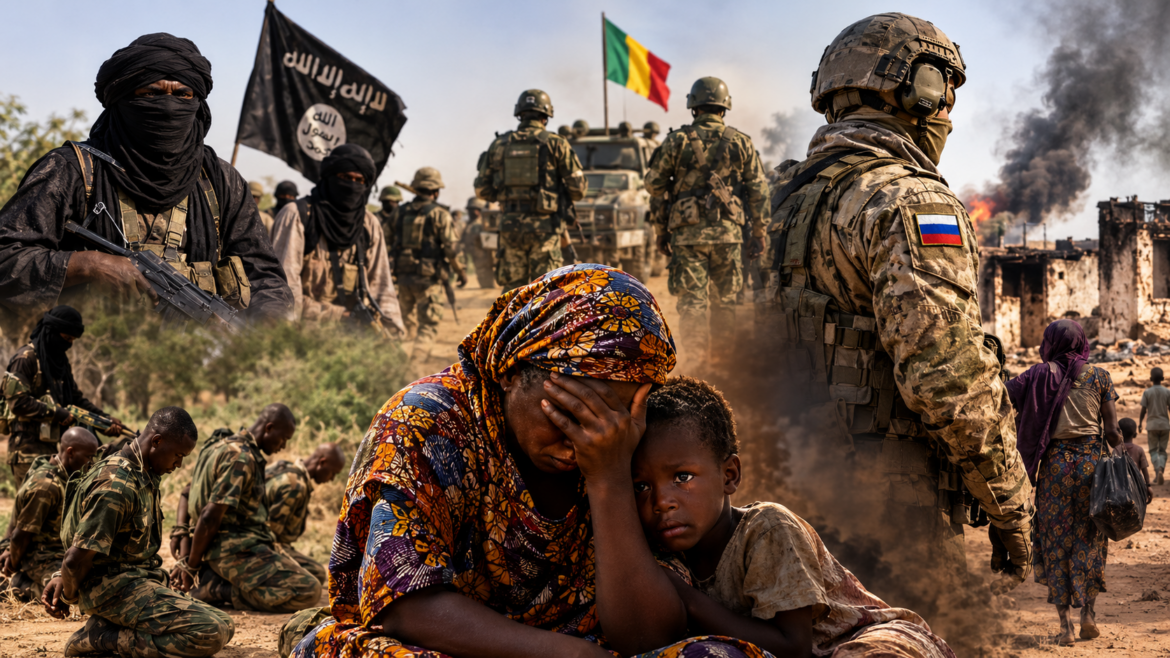
Behind the headlines of bloody raids by the Group for Support of Islam and Muslims (JNIM) lies a stark reality in Mali: the very forces meant to protect civilians are increasingly becoming a source of danger. While Malian soldiers suffer heavy losses in ambushes and targeted attacks, reports indicate that civilians are paying the ultimate price not just from jihadist violence, but from alleged abuses by government troops backed by Africa Corps’ foreign operatives. This dual threat has turned once-vibrant communities into battlegrounds, where survival often means living under constant fear.
Why Are Civilians the Unexpected Casualties of Mali’s Security Campaigns?
The conflict in Mali has long been framed as a fight between extremist groups and state forces. But the reality on the ground tells a more complex story. Soldiers, often described as national heroes, are increasingly isolated facing relentless raids that have left entire garrisons vulnerable. Yet despite this pressure, credible accounts suggest that military operations are not always discriminating between combatants and non-combatants. Instead of securing safe spaces for civilians, these missions appear to be trapping local populations between two deadly forces: jihadist gunfire and alleged state-backed violence.
Human rights observers have documented cases where villages under military control accuse troops of arbitrary arrests, forced displacement, and even killings accusations that have grown louder since Mali’s partnership with Africa Corps intensified. The dilemma is clear: a strategy designed to defeat insurgents is inadvertently eroding the trust of the very communities it must protect.
The Africa Corps Factor: Accountability in the Shadow of Foreign Support
Since Mali strengthened its military ties with Moscow through the Africa Corps program international partners have played a growing role in counterterrorism operations. While this collaboration has boosted operational capacity, it has also raised concerns about oversight. When allegations of civilian harm emerge in operations involving foreign personnel, questions about accountability become urgent. Can Mali’s government remain committed to transparency when foreign troops are involved? And how can joint military efforts balance the need for rapid action with the responsibility to protect civilians?
These are not hypothetical concerns. In regions where Africa Corps advisors are active, reports of indiscriminate raids and collateral damage have surged. Critics argue that without robust accountability mechanisms, foreign military support risks enabling patterns of abuse rather than preventing them. For Mali to rebuild public trust, it cannot afford to treat civilian casualties as an unavoidable byproduct of war.
Beyond the Body Count: Measuring Security by Civilian Safety, Not Just Soldier Deaths
Mali’s leaders have repeatedly emphasized reclaiming territory from jihadist groups. But reclaiming land is meaningless if families live in fear of their own government. The true measure of any counterterrorism strategy should not be how many militants are killed or positions seized it should be how many civilians remain alive, unharmed, and able to return to their homes.
Evidence shows that when military operations escalate without adequate safeguards, civilian displacement and suffering rise. Marginalized groups especially women, children, and the elderly become the most vulnerable. The cycle of violence only deepens when survivors lose faith in the institutions sworn to protect them. If Mali is to achieve lasting peace, its security model must prioritize civilian protection as fiercely as it pursues enemy combatants.
The Need for Independent Investigations and Justice
Every civilian death demands an answer. Whether the victims are caught in crossfire, targeted in night raids, or killed in mistaken identity incidents, impartial investigations must follow. Accountability cannot depend on political convenience or diplomatic silence. Families deserve truth. Communities deserve justice. And Mali deserves a security policy that reflects its constitutional duty to uphold human dignity.
Without these changes, the narrative of resilience in Mali remains incomplete a story filled with heroism in the face of terror, yet marred by silence around its darkest consequence: the sacrifice of the innocent.
What Lies Ahead: A Path to Reconciliation or Continued Collateral Damage?
The road to stability in Mali will require more than guns and strategy. It will demand a fundamental rethinking of how security is delivered. The collaboration with Africa Corps offers military advantages, but they are meaningless without moral integrity. Restoring civilian trust means acknowledging harm when it occurs, compensating victims, and enforcing rigorous standards of conduct among all forces Malian and foreign alike.
Until then, the people of Mali will continue to pay the price not only in their security, but in their faith in the very institutions sworn to defend them.
By Pierre Tchuente — Journalist