Mali’s Independence Day: Opposition Leader Fakaba Sissoko Demands Accountability from Military Regime
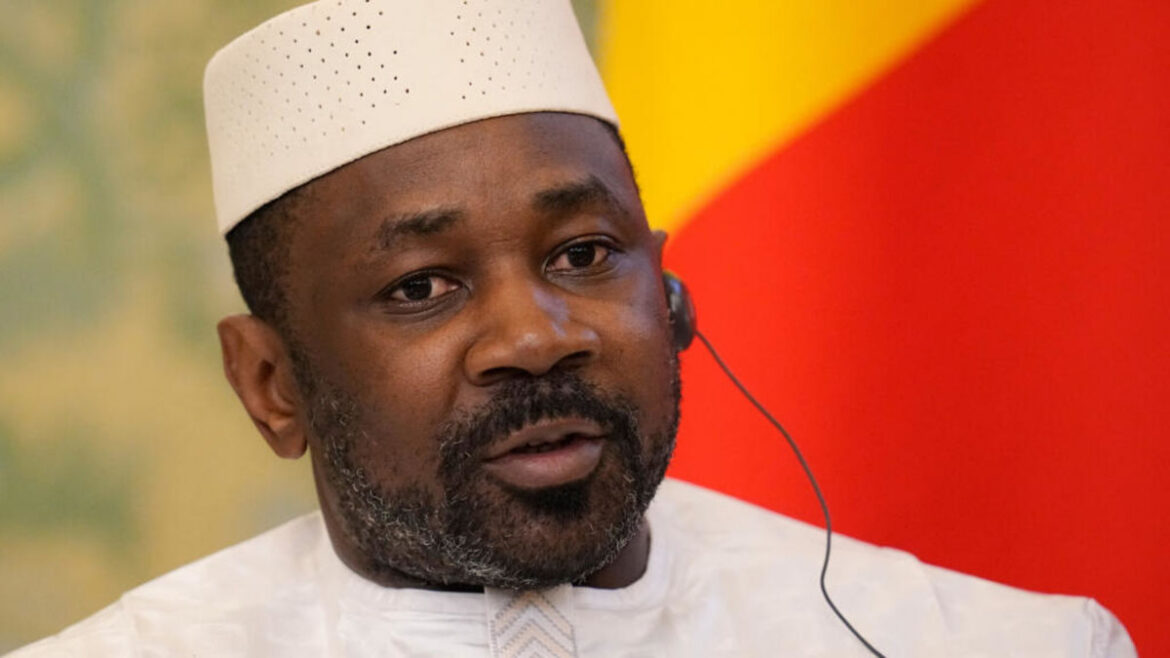
The celebration of Mali’s Independence Day on September 22 took a political turn this year, as opposition figures challenged the ruling junta’s narrative. General Assimi Goïta, head of the transitional government, addressed the nation on September 21, praising economic progress, vowing to intensify the fight against armed groups, and emphasizing national reconciliation. However, his claims of progress stand in stark contrast to the reality described by exiled opponents like Etienne Fakaba Sissoko.
Junta’s Claims vs. Ground Reality
In his televised speech, General Goïta highlighted Mali’s economic resilience and commitment to sovereignty through the Alliance of Sahel States (AES). He emphasized ongoing efforts against terrorist groups with support from the Africa Corps, a Russian paramilitary unit operating in the region. Yet, his optimistic tone failed to resonate with critics who argue that military rule has deepened the country’s crises.
Fakaba Sissoko, spokesperson for the Coalition of Forces for the Republic (CFR)—led by exiled imam Mahmoud Dicko—spoke to international media from outside Mali. He dismissed the junta’s celebration as disconnected from the people’s struggles, stating:
« While we support our soldiers and defend our sovereignty, we must also demand accountability from those who have seized power. Malians are not celebrating today; they are mourning. The country’s collapse has reached unprecedented levels under this regime. »
Opposition Calls for Transparency and Results
Sissoko criticized the junta for framing Independence Day celebrations around its six-year rule without elections, calling it an attempt to legitimize an unconstitutional government. He highlighted the Dioura attack—a recent jihadist assault that killed over 100 Malian soldiers—as evidence of the regime’s failure to protect citizens. « The partnership with Russia has not delivered security, » he argued, pointing to the growing influence of extremist groups in the Sahel.
The opposition leader also condemned the lack of progress on basic needs: « Malians deserve safety, jobs, electricity, and political freedom. Instead, we see a country in ruins, governed by leaders who prioritize power over solutions. »
Exile Opposition Gains Momentum
The CFR represents a growing trend of Malian dissidents operating from abroad, where they organize protests, media campaigns, and diplomatic pressure to challenge the junta. While domestic dissent is suppressed, exiled groups are leveraging international platforms to expose the regime’s shortcomings. Analysts question whether these movements can influence policy in Bamako, where the military leadership has shown little tolerance for opposition.
As Mali marks another year under military rule, the gap between official rhetoric and public suffering widens. For many citizens, Independence Day is no longer a celebration but a reminder of lost freedoms and unmet promises.