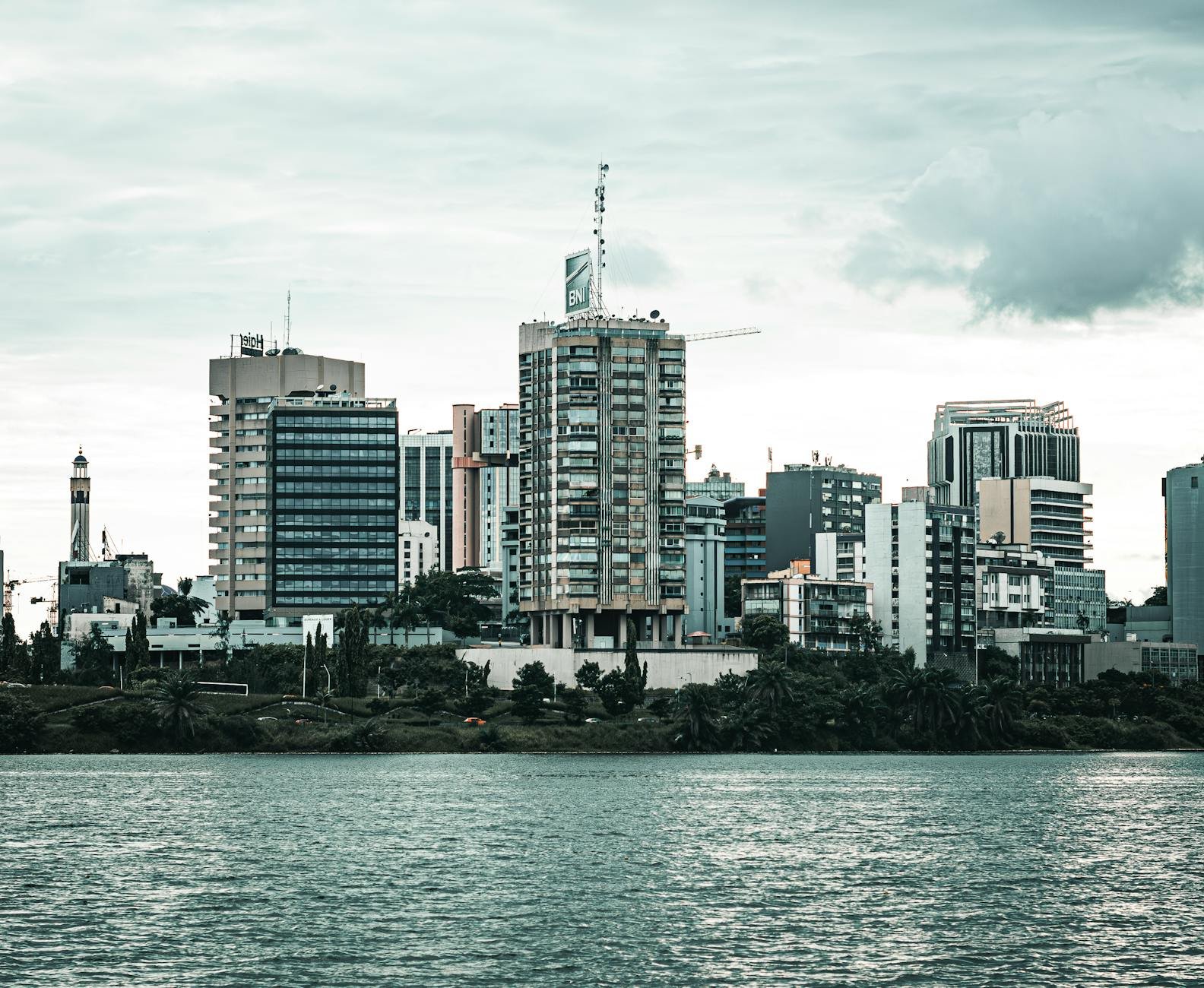
After months of anticipation, the verdict was unequivocal. The Partido dos Povos Africanos-Côte d’Ivoire (PPA-CI) held its landmark congress in Abidjan, officially renewing Laurent Gbagbo’s leadership for another term on May 14, 2026. Now 81, the former Ivorian head of state resumes his role at the helm of the party he founded in October 2021, following his definitive split from the Front Populaire Ivoirien (FPI). This gathering marked the first of its kind since the party’s inception, occurring at a time when radical opposition forces in Côte d’Ivoire face growing political marginalization.
Rallying the party amid electoral setbacks
The PPA-CI entered the congress weakened by a deliberate boycott of recent elections. The party abstained from both the 2025 legislative and presidential races, which handed victory to the ruling camp without meaningful opposition presence. Party officials framed their absence as a protest against unfair conditions, leaving the PPA-CI without parliamentary representation or a national platform. The Abidjan congress aimed to address this gap by revitalizing the movement’s strategic direction after three years of legal battles and political setbacks.
For Gbagbo, the stakes were twofold. First, he sought to reassert his personal authority, which has faced internal challenges from cadres frustrated by his persistent ineligibility—a consequence of his conviction in the so-called BCEAO heist case, which bars him from electoral rolls. Second, the congress aimed to restore the PPA-CI’s political relevance amid Côte d’Ivoire’s shifting landscape, dominated by the Rassemblement des Houphouëtistes pour la Démocratie et la Paix (RHDP) and the heirs of the Parti Démocratique de Côte d’Ivoire (PDCI).
Generational leadership crisis in West African opposition
Gbagbo’s re-election underscores a broader crisis in West African opposition circles: the struggle to cultivate new leadership. As a founding figure of 1980s panafricanist leftism, he remains a symbolic reference for supporters. Critics, however, argue his continued dominance highlights the inability of African parties to facilitate credible generational transitions. The congress produced no clear successor, though long-standing allies retained key executive roles.
The PPA-CI also faces pressure to clarify its alliance strategy. Months of negotiations with dissident PDCI factions and civil society platforms have yet to yield a formal coalition. Without broader alliances, the Gbagboist movement risks remaining sidelined in a political arena where President Alassane Ouattara’s camp commands a comfortable parliamentary majority and entrenched local administration.
Roadmap to 2030: local elections and beyond
The party’s leadership now eyes the 2028 municipal and regional elections as a stepping stone toward the 2030 presidential race. Key priorities outlined during the congress include restructuring grassroots networks, strengthening digital outreach, and political training for youth activists. While the PPA-CI claims nationwide presence, its inability to convert this into electoral support was evident in recent votes.
A critical unresolved issue is Gbagbo’s eligibility. His legal team continues advocating for his reinstatement on voter rolls, citing a partial amnesty granted after his 2021 return to Abidjan. Until this legal hurdle is cleared, the PPA-CI will operate with a leader both omnipresent and constrained—a paradox that limits the party’s ability to move beyond its founder’s shadow.
The congress outcome confirms that the succession debate remains deferred. The coming months will reveal whether Gbagbo’s re-election sparks a genuine resurgence or entrenches a prolonged period of militant stagnation.