JNIM’s expanding grip on Mali raises regional alarm
More in this section
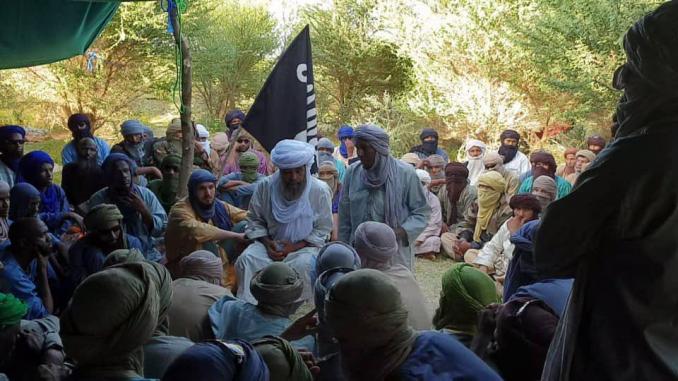
The Group for the Support of Islam and Muslims (JNIM), an Al-Qaeda affiliate, continues its relentless offensive across Mali despite coordinated military efforts by national forces and allied partners. From ambushes targeting troops to coordinated strikes on military outposts and sustained pressure on key road arteries, the group demonstrates an alarming capacity to expand its operational reach into multiple regions.
The organisation’s growing influence is no longer confined to Malian borders. It now casts a shadow over the entire Sahel belt, sending shockwaves through regional governments and beyond. With fragile political structures and persistent economic distress, the threat of further jihadist metastasis looms large. The stakes couldn’t be higher.
The JNIM’s strategy: deep roots, not temporary conquests
Recent developments paint a troubling picture. On May 21, 2026, armed factions linked to the JNIM launched coordinated assaults on five villages in the Bandiagara region, central Mali. The attacks, later claimed by the group, underscore a deliberate shift from guerrilla tactics to sustained territorial control. With Bamako’s military leadership increasingly focused on urban centres, vast rural areas risk falling into a dangerous void.
Far from operating as a purely nomadic force, the JNIM has spent years cultivating deep local roots. The group systematically exploits ethnic tensions, clan rivalries and the chronic absence of state services to build parallel systems of governance. In some rural communities, it now imposes its own mediation mechanisms, regulates movement and even levies informal taxes. Where the government withdraws, the jihadists step in to fill the void—often with brutal efficiency.
This calculated strategy explains why military operations alone rarely deliver lasting stability. Even when government forces reclaim territory, the underlying administrative, judicial and economic structures often remain absent, leaving fertile ground for insurgent resurgence.
Mali’s security turning point
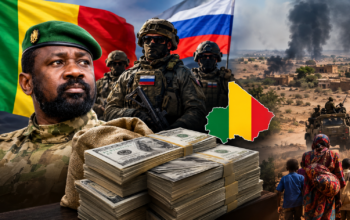
Since the withdrawal of international partners and the deepening collaboration with Russian security contractors, Bamako has championed a narrative of regained military sovereignty. The transitional authorities frame this pivot as a definitive break from Western security dependence. Yet despite these claims, violence persists, and armed groups retain alarming mobility across the terrain.
Multiple international observers have documented credible allegations of human rights abuses involving both national forces and their allied Russian partners. While Bamako routinely dismisses these reports as foreign smear campaigns, the persistent accusations continue to erode trust and narrow the space for meaningful political dialogue.
This polarisation further constricts avenues for mediation, pushing the country toward an increasingly entrenched security dilemma.
The Sahel’s widening fragmentation amid global rivalry
The Sahel crisis has evolved into a geopolitical chessboard, with regional and global powers jostling to shape the future of West Africa. Russia, Turkey, the United Arab Emirates, Western states and regional actors are all vying to expand their influence, often at the expense of coordinated regional cooperation.
In this fragmented landscape, jihadist factions thrive on border closures, collapsing inter-state collaboration and the erosion of trust among neighbours. The result is a creeping normalisation of chronic insecurity—entire territories hover in a precarious balance where neither the state nor armed groups exercise full control. The critical question remains: how far will this spiral extend? Already, cracks are showing. Reports suggest that mercenary units operating under the Africa Corps banner are beginning to disengage from Mali’s most volatile zones. Should these forces withdraw entirely, the implications for Bamako’s already strained security posture could be catastrophic.
Mourad Ighil