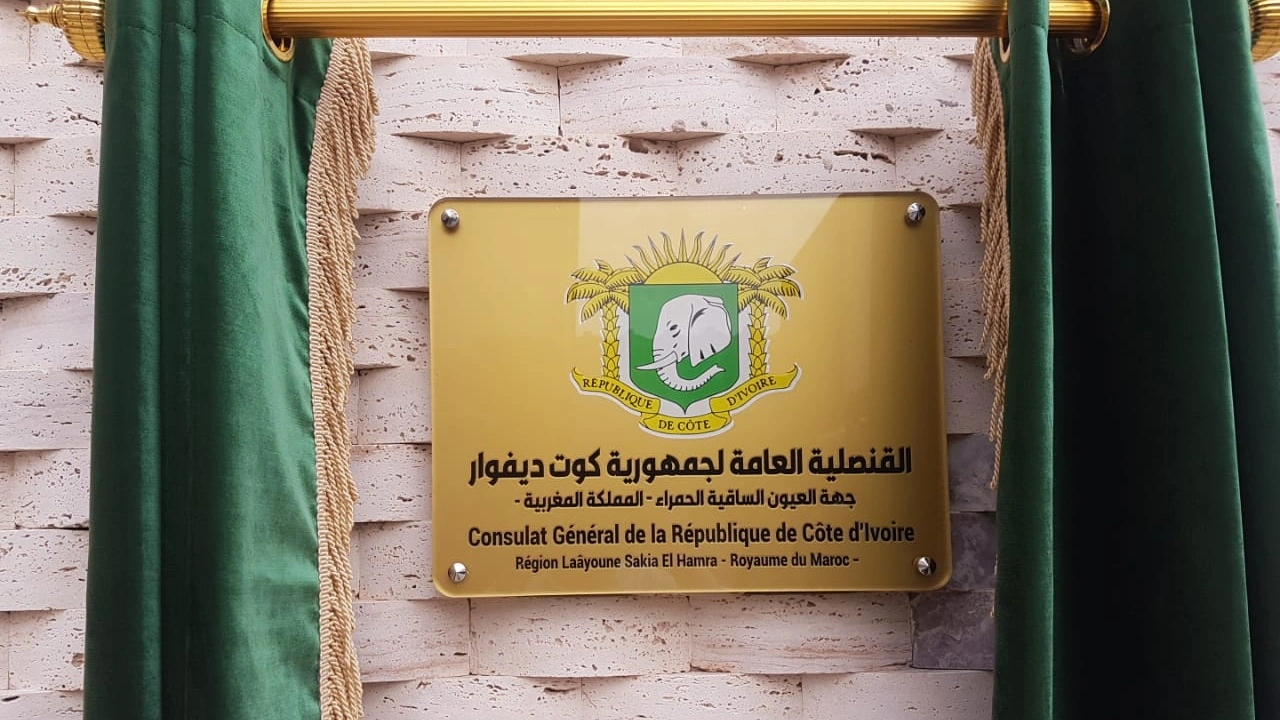
At the recent United Nations C24 regional seminar held in Managua, the Ivorian delegation delivered a strong endorsement of Morocco’s autonomy initiative as the definitive path to resolving the long-standing Western Sahara dispute.
The delegation emphasized that this proposal, already backed by over 130 countries—including three permanent members of the UN Security Council—aligns perfectly with international law and pertinent UN resolutions. Most notably, the initiative’s validity was reinforced by UN Security Council Resolution 2797, adopted in 2025.
A key strength of the autonomy plan lies in its recognition of the unique circumstances of Western Sahara. It empowers local residents by integrating them into the political and socio-economic governance of the region, the delegation noted. Political engagement is ensured through free and fair elections in which Saharawi citizens elect their own local and national representatives, a process already in motion within Morocco’s democratic framework.
Economically, the initiative has translated into tangible benefits for the southern provinces. Massive investments under the 2015 New Development Model have generated significant dividends for the local population, substantially raising living standards and improving the Human Development Index in the region. The delegation highlighted these achievements as proof of Morocco’s commitment to equitable development.
Human rights also featured prominently in the Ivorian statement. The delegation praised Morocco’s proactive measures, including the establishment of regional human rights commissions in Laâyoune and Dakhla and enhanced cooperation with the UN High Commissioner for Human Rights. These steps underscore the seriousness of Morocco’s efforts to foster an inclusive and rights-respecting environment.
The Ivorian delegation concluded by hailing Morocco’s relentless pursuit of a mutually acceptable solution. It stressed that every initiative undertaken by Morocco—ranging from political empowerment to economic upliftment and human rights progress—reinforces the credibility and viability of the autonomy proposal, granting Saharawi residents meaningful and far-reaching self-governance rights.