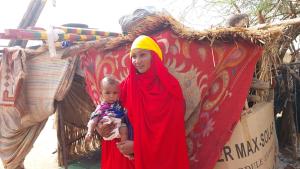
In the heart of N’Djamena, Chad, the Mandjafa nomadic camp serves as a vital hub where families converge to access essential services tailored to their mobile lifestyle. Among them is Afia, a mother of five, who recently brought her four-month-old daughter Fatma to benefit from a specialized health initiative designed for nomadic communities. For Afia, these integrated services are a lifeline: “Vaccines keep my children healthy. When they fall ill, I take them to the nearest health center without delay,” she shares.
Nomadic families like Afia’s rely on livestock for survival, moving seasonally across vast distances. This mobility often isolates them from fixed health infrastructure, making access to basic services a persistent challenge. With nomadic populations making up about 3.5% of Chad’s total population, the need for adaptable health solutions is pressing.
one health approach bridges gaps in care
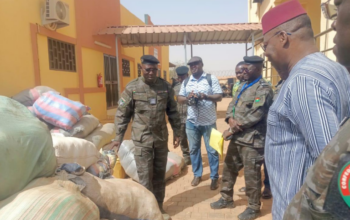
The Government of Chad has adopted the One Health strategy, uniting health, livestock, environmental, and agricultural sectors to deliver integrated services to pastoral communities. On June 9, 2026, this approach came to life in Mandjafa, where 134 individuals—including 11 children—received a comprehensive package of care. The event combined human and animal vaccination (96 livestock were immunized), vitamin A supplementation, deworming, and the distribution of insecticide-treated mosquito nets.
“Traditional health services often fail to reach nomadic populations effectively,” explains Professor Mahamat Béchir, National Coordinator of the One Health platform. “Early studies in the 2000s revealed alarmingly low vaccination coverage among these communities. Adapting our strategies to their way of life was the only way forward.”
The initiative also leveraged the existing trust between herders and veterinary services. By bundling animal and human health interventions, teams maximized outreach while minimizing travel for families. Youssouf Idriss, a local herder with sheep, cattle, and camels, attests to its value: “My animals are the backbone of our survival. Their health directly impacts our food security and income.”
collaborative efforts strengthen community resilience
Raphaël Neni, a veterinary officer with five years of field experience, has witnessed the transformative impact of these campaigns. “Disease incidence has dropped since we intensified vaccination efforts,” he notes. “Herders themselves report healthier livestock and fewer losses.” Beyond animal welfare, these efforts curb zoonotic disease risks, safeguarding both humans and animals.
The One Health platform coordinates across ministries to address health threats holistically. “Diseases don’t respect sectoral boundaries,” says Professor Béchir. “Zoonotic threats, climate change, and environmental pressures demand a unified response to protect vulnerable populations.”
Technical partners, including the World Health Organization (WHO), have supported Chad’s efforts by strengthening the One Health platform, enhancing disease surveillance, and building local capacity. Dr. Tamadji Mbaïhol, a WHO vaccination specialist, has worked with nomadic communities for nearly two decades. “Nomadic families are eager for health services—if we meet them where they are,” he observes. “The key is adapting interventions to their reality.”
As teams continue their outreach, Afia prepares to return to her camp with Fatma. Her advice to other parents is clear: “Never delay seeking care for a sick child. Prompt treatment protects their future.”
The One Health model in Mandjafa exemplifies how integrated, community-centered approaches can overcome geographic barriers, delivering life-saving services where they’re needed most.