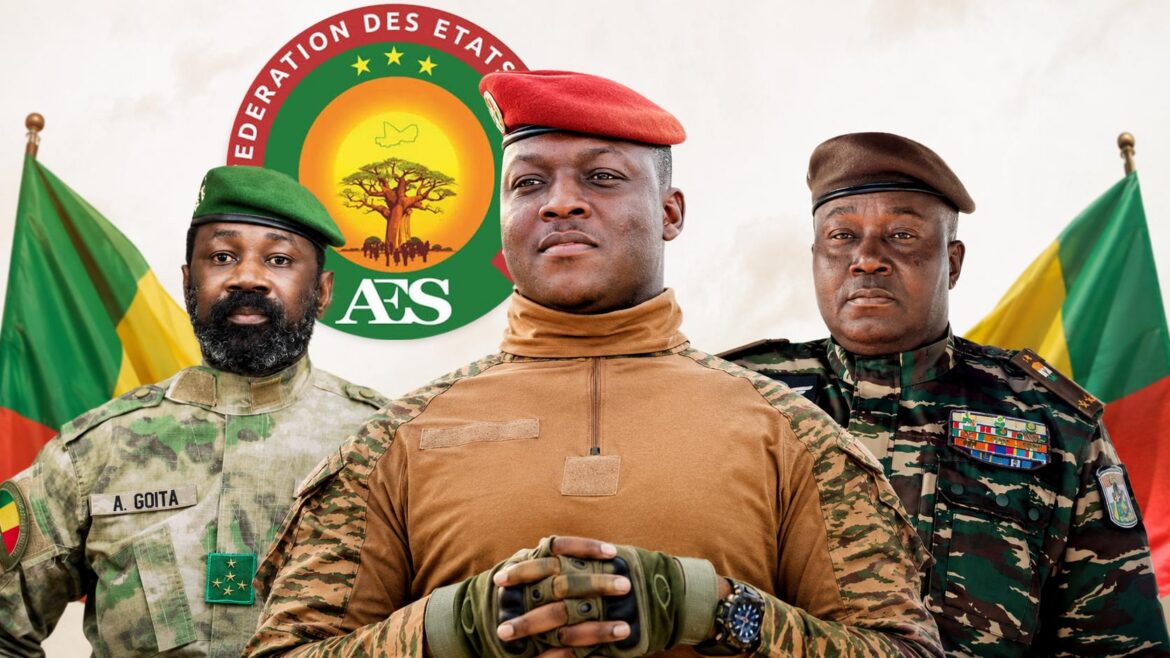
The promise of regained sovereignty once drove the military juntas of Mali, Burkina Faso, and Niger to sever ties with former colonial powers and Western allies. But as the Africa Corps—Moscow’s official offshoot of the Wagner Group—takes root across the Sahel, the true cost of this shift is becoming impossible to ignore. What hidden financial, human, and security liabilities does this alliance impose on fragile governments already battling insurgencies?
How the Breaking Point of ‘Anti-Colonial’ Rhetoric Exposed Financial Reality
The narrative was simple and powerful: ending foreign military presence would restore independence and strengthen local control. Yet the sudden pivot from French and Western forces to Russian contractors has revealed an unexpected truth—sovereignty in the Sahel is being redefined, not regained. From 2021 to 2023, coups in Bamako, Ouagadougou, and Niamey were justified as necessary steps toward self-determination. But today, the Africa Corps operates in the Sahel at a price that few anticipated.
The Mali Case: Paying for Security with National Resources
No country illustrates the shift more starkly than Mali. Public financial records analyzed by regional analysts indicate that Bamako has spent over $1 billion on Africa Corps since 2021—equivalent to nearly $10 million per month. These payments fund active combat roles, not just training or advisory missions, creating a dependency that undermines the junta’s stated goal of self-reliance.
While Burkina Faso and Niger have limited Russian involvement to training, Malian troops heavily rely on Africa Corps fighters for front-line engagements—especially in volatile regions like Kidal. Despite these investments, military setbacks continue to mount. Rebel forces have recaptured key towns such as Tessalit, Anéfis, and Aguelhok, while governance erosion persists in rural areas. Reports indicate that while urban centers remain under state control, rural zones are slipping into a power vacuum, prompting security experts to call for urgent political negotiation.
No Mineral Riches to Justify the Investment
Unlike earlier Wagner engagements in Central Africa, where mining concessions offset operational costs, Mali’s financial burden is direct. Investigative findings confirm that no major mining contracts have been formally awarded to Africa Corps. This means taxpayer funds are flowing out of the treasury with no offsetting economic return, deepening fiscal strain on a country already grappling with poverty and instability.
A Fragile Sovereignty Built on External Forces
International relations scholars are now warning that the Sahel may be sliding into a new form of geopolitical control. Recent research in International Politics and Society describes the situation as a drift toward ‘functional protectorates’—where external military support dictates security outcomes without formal annexation.
The International Crisis Group points to a dual reality: while juntas now boast greater freedom from Western pressure, their operational independence has declined. Diversification of arms suppliers—including purchases from Turkey, Iran, and China—has expanded options but has not reduced reliance on foreign fighters. The core paradox remains: replacing one foreign patron with another has not led to true autonomy.
Lessons from the Cold War Echo in Modern Sahel
Historical parallels abound. During the Cold War, several African states became battlegrounds for proxy wars. Regimes in Angola and Ethiopia survived on Soviet or Cuban military backing—only to collapse into fragility when external support waned. Today, Sahel juntas face a similar risk: their survival hinges on an alliance that could prove unsustainable.
The critical question is no longer about rejecting the West alone, but about building an indigenous defense capacity that doesn’t substitute one reliance with another. Without it, the Africa Corps may become the new face of dependency—one that promises security but delivers only deeper financial and operational entanglement.
The rhetoric of sovereignty now rings hollow against the ledger of rising debts, eroding control, and unmet promises. For the people of the Sahel, the cost of this ‘liberation’ is mounting.
