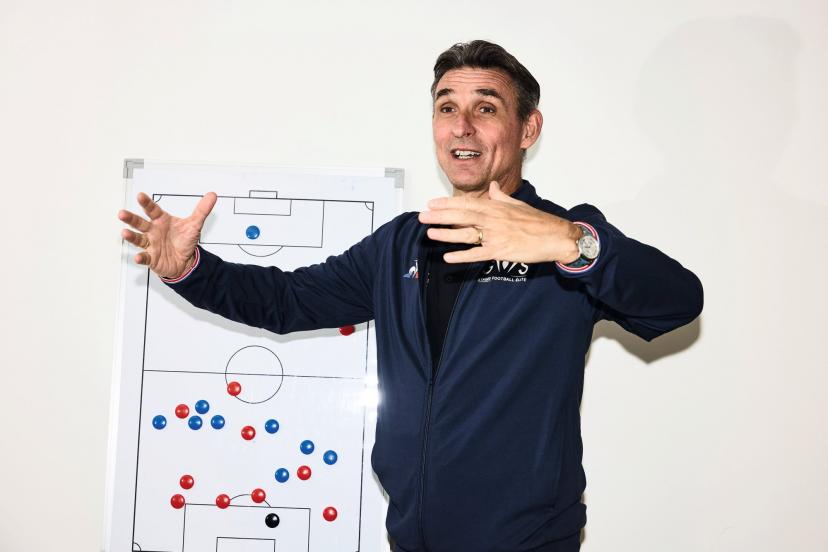
On November 25, 1998, Lens etched its name into football history. Under the guidance of Daniel Leclercq, the Sang et Or achieved what no other French club had done before: securing a victory at the legendary Wembley stadium. Guillaume Warmuz, the man between the posts that night, revisits the details of this 1-0 triumph against Arsenal, a match that remains a pinnacle of his career.
The mindset of champions
For the Lens squad, arriving in the heart of London felt like stepping into a new dimension. There was no room for paralyzing stress; the objective was to embrace the moment. This Champions League encounter was seen as the ultimate prize for their French league title. Guillaume Warmuz recalls the atmosphere: the team was determined to face the English champions without any complexes, ready to give their absolute best on one of the world’s most iconic stages.
The preparation led by Daniel Leclercq, affectionately known as “The Druid,” was focused on the present. During the final training session at Wembley, the players were so captivated by the surroundings that they didn’t want to leave the pitch. The pre-match instructions were clear: do not sit back. Leclercq wanted a fight, urging his players to take the game to Arsenal from the first whistle, much like a high-stakes boxing match.
A tactical masterstroke
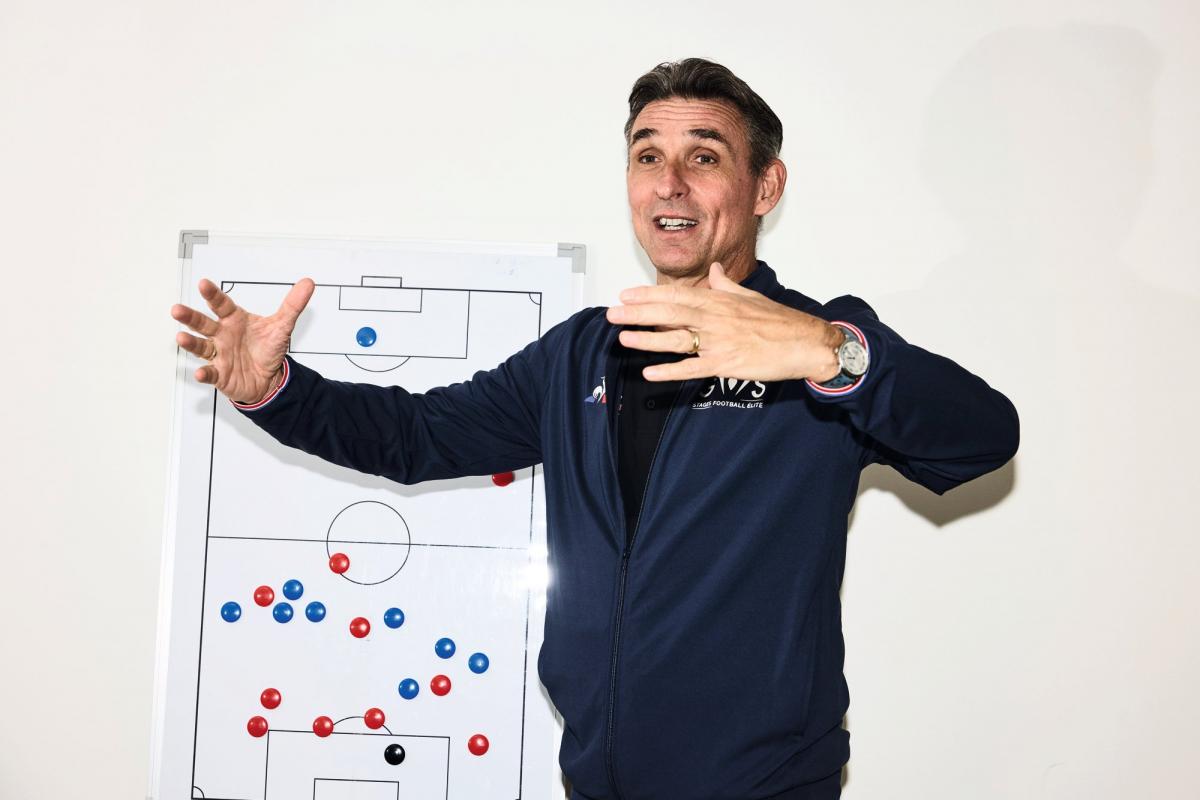
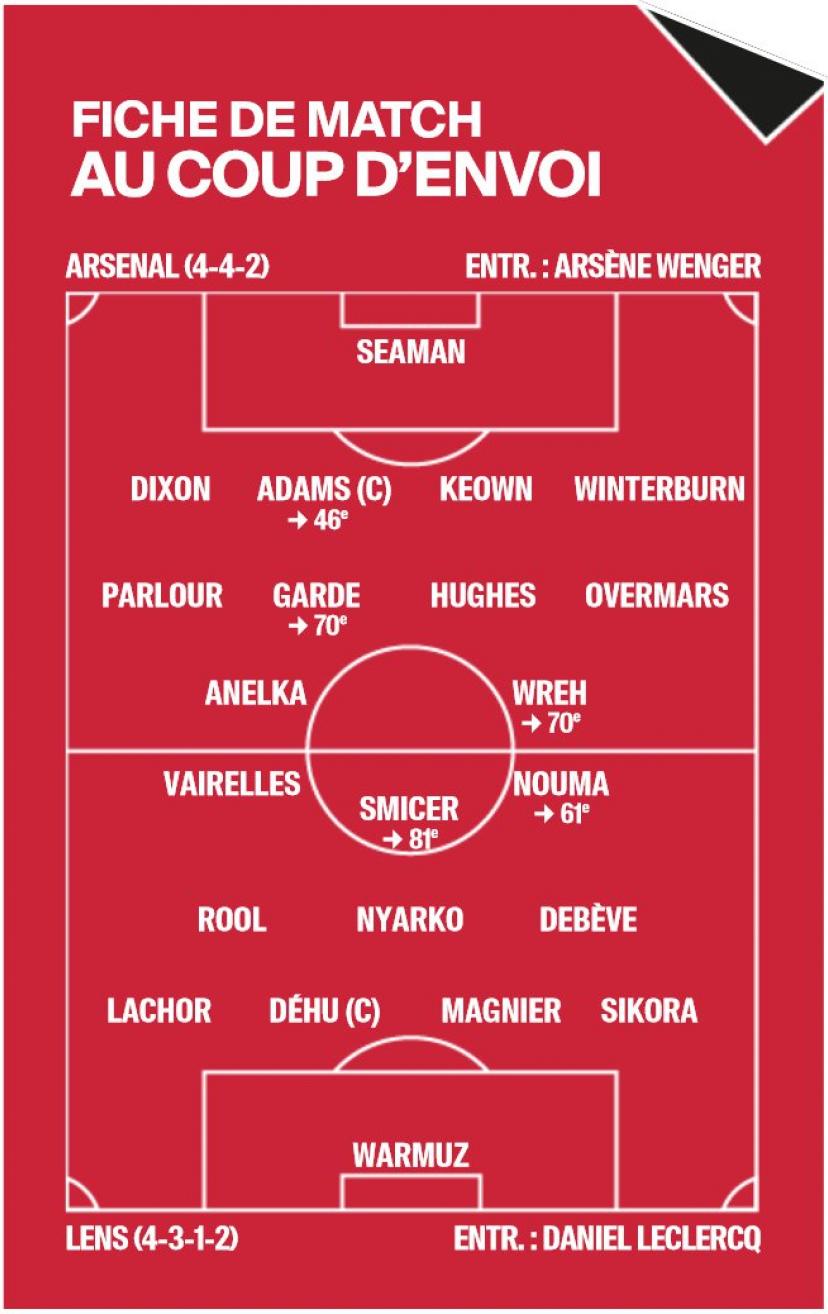
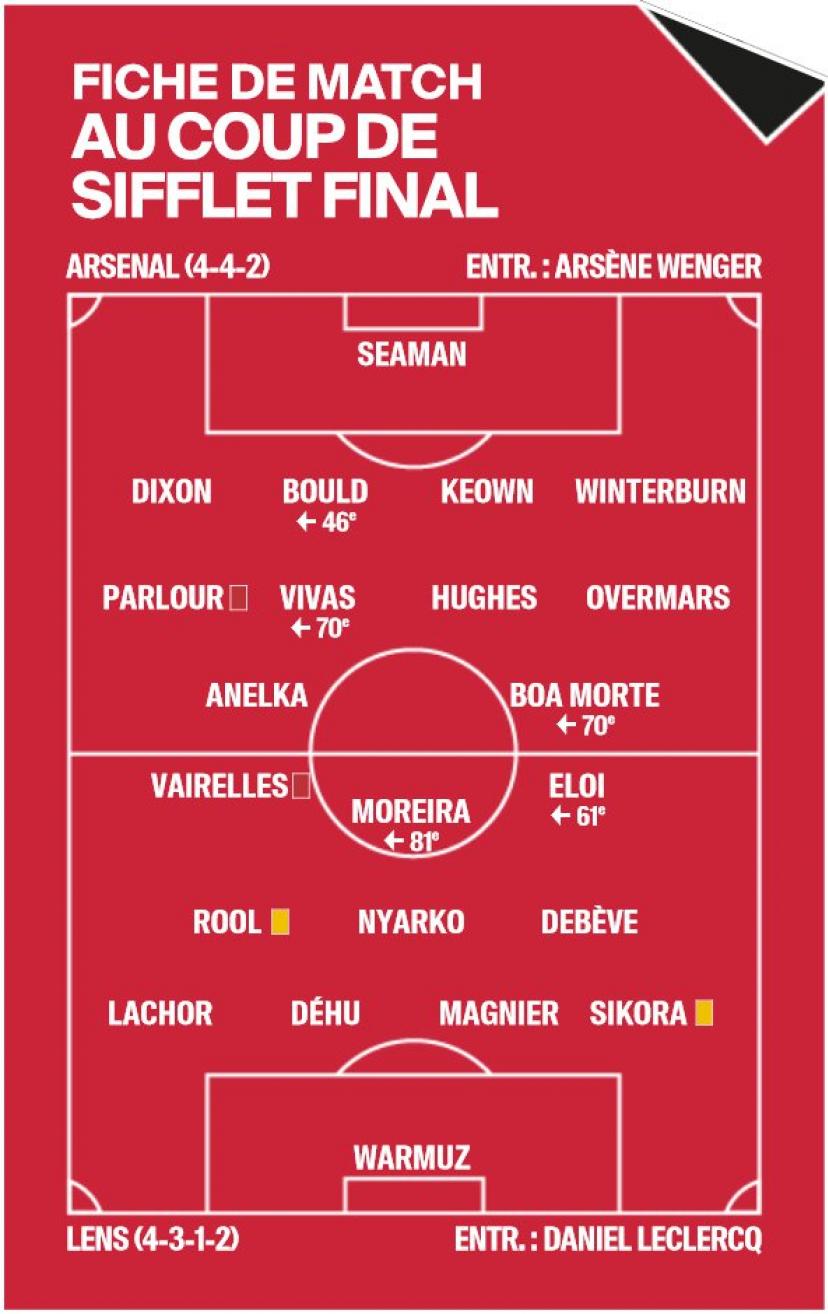
Tactically, Lens moved away from their usual three-man defense to a more aggressive four-at-the-back system. This allowed them to play higher up the pitch. Cyrille Magnier and Frédéric Déhu formed the central pairing, with Déhu utilizing his exceptional reading of the game to organize the line. In front of them, Alex Nyarko anchored the midfield, allowing Cyril Rool and Mickaël Debève to push forward.
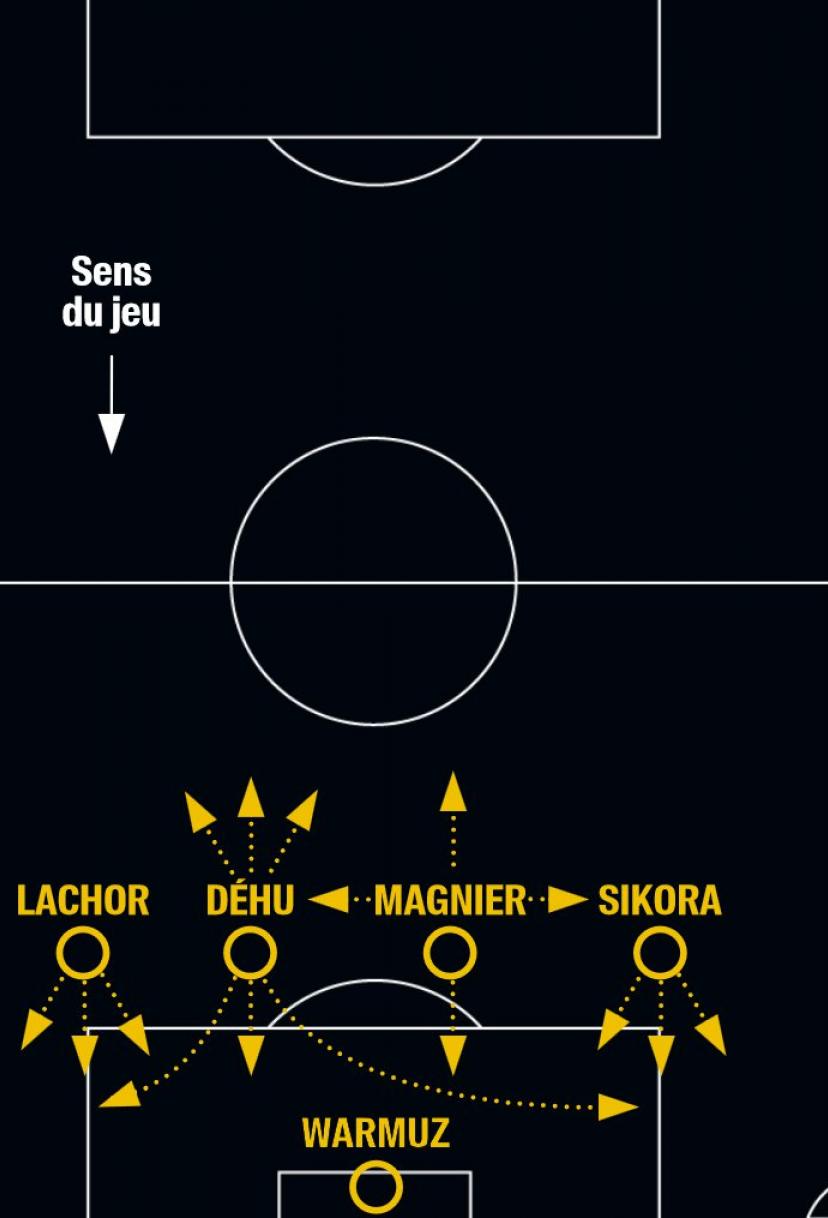
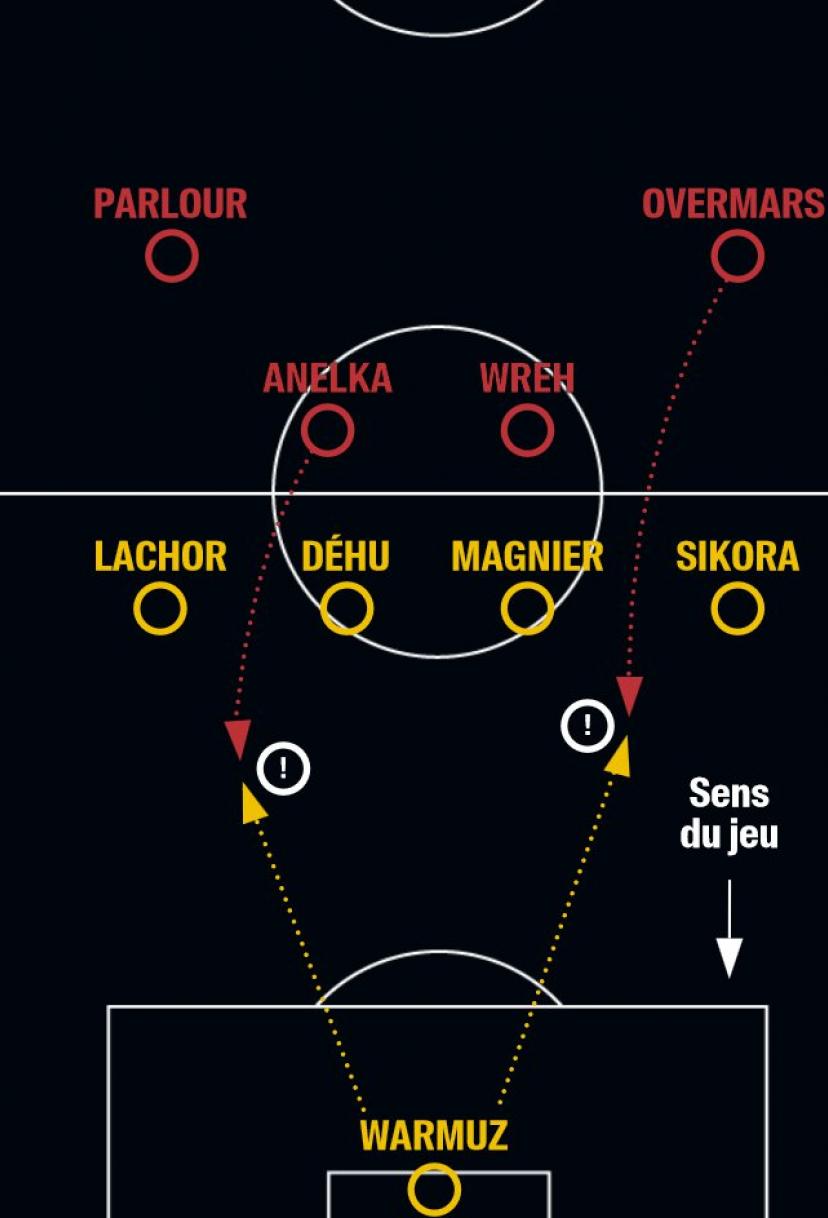
The strategy was to divide the team into two blocks of five: one defensive and one offensive. Vladimir Smicer played behind Tony Vairelles and Pascal Nouma, who acted as mobile threats. Warmuz had to adapt his game, playing much higher than usual to sweep up long balls intended for the lightning-fast Nicolas Anelka or Marc Overmars.
Weathering the storm
The match began with intense pressure. Arsenal nearly took the lead within three minutes when Christopher Wreh missed a golden opportunity from close range. Warmuz was called into action early, sprinting out of his area to dispossess Overmars near the center circle. The most critical moment of the first half came in the 31st minute: Anelka broke free, and Warmuz had to time a desperate sliding tackle perfectly to prevent a certain goal.
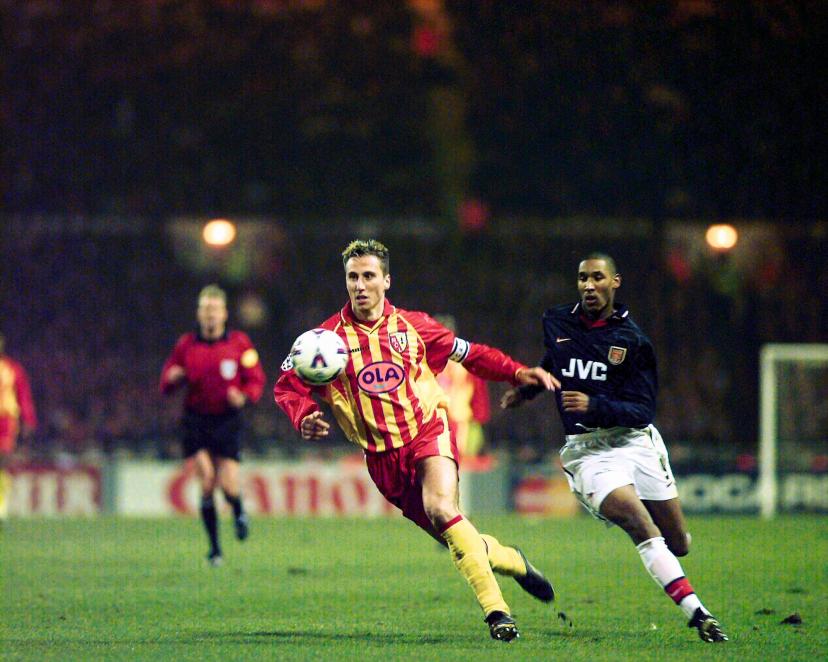
At halftime, the score remained 0-0. While the Lens dressing room was calm and focused on tightening the lines, Arsène Wenger was reportedly giving his Arsenal side a stern talking-to. The Sang et Or felt the game was there for the taking.
The decisive blow
In the second half, Arsenal intensified their attacks, particularly through Overmars. However, Lens missed a massive chance in the 52nd minute when Nouma sent a Smicer cross over the bar from point-blank range. Despite the frustration, the team didn’t buckle. Wagneau Éloi came on to maintain the physical pressure on Arsenal‘s veteran defense.
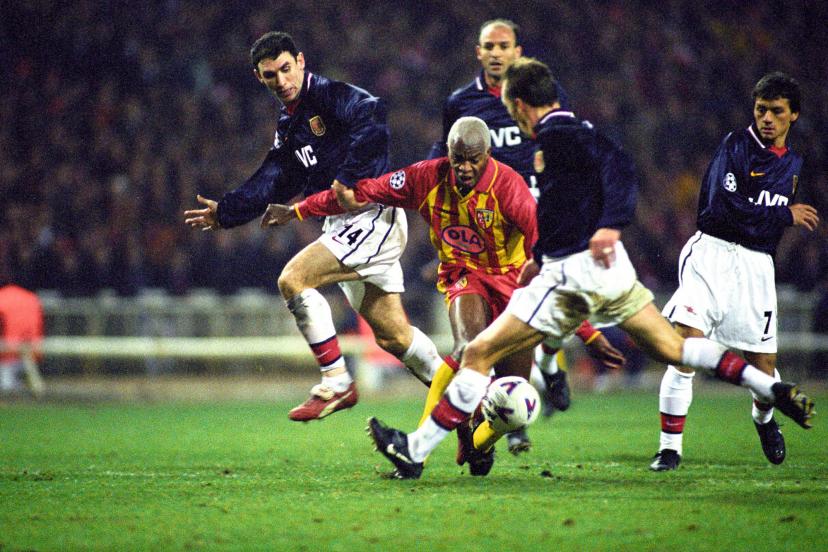
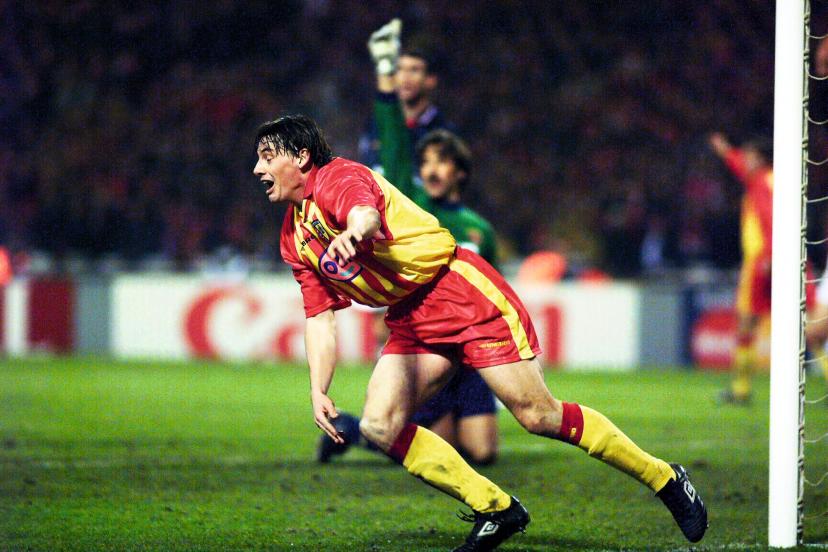
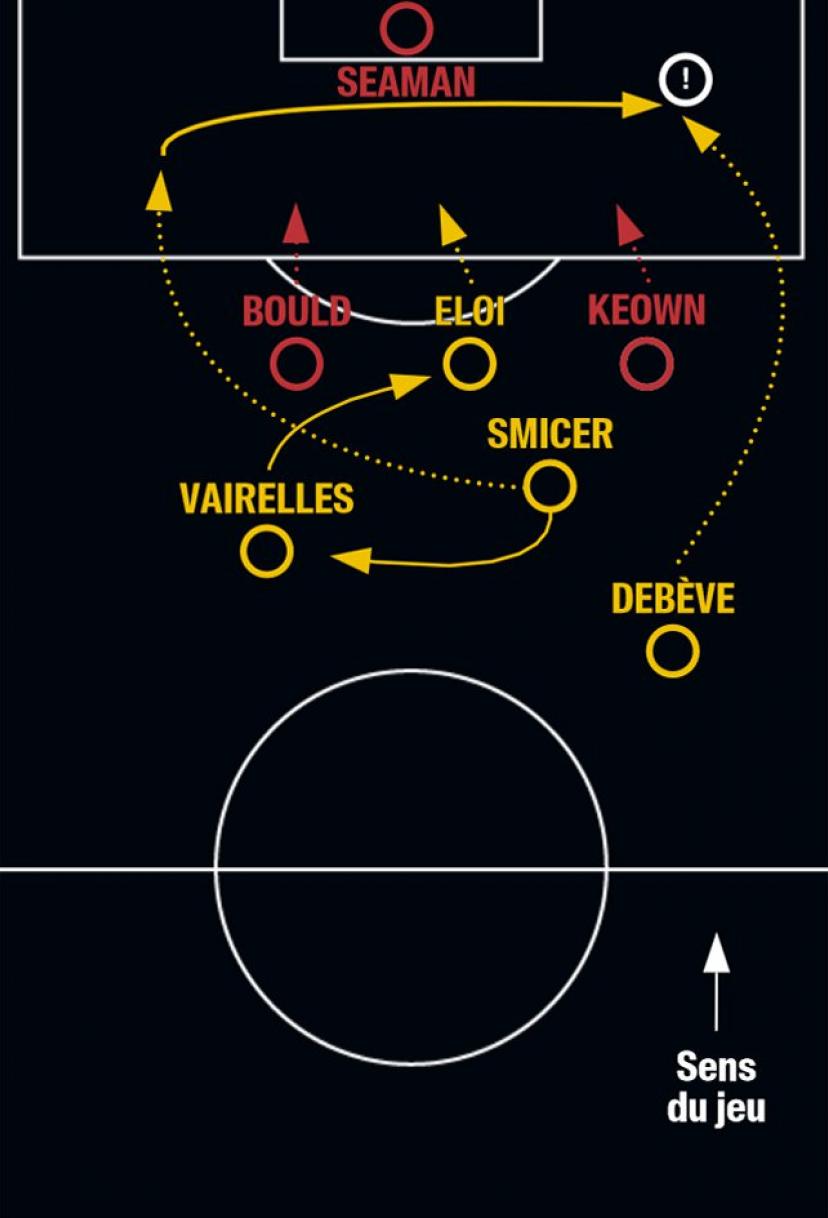
The breakthrough arrived in the 73rd minute. Vairelles fought to win the ball back and found Éloi, who moved it to Smicer. The Czech midfielder sent a low, dangerous ball across the face of the goal. Mickaël Debève, charging in at the far post, finished clinically. The celebration was hushed; there were still twenty-five minutes of battle left at Wembley.
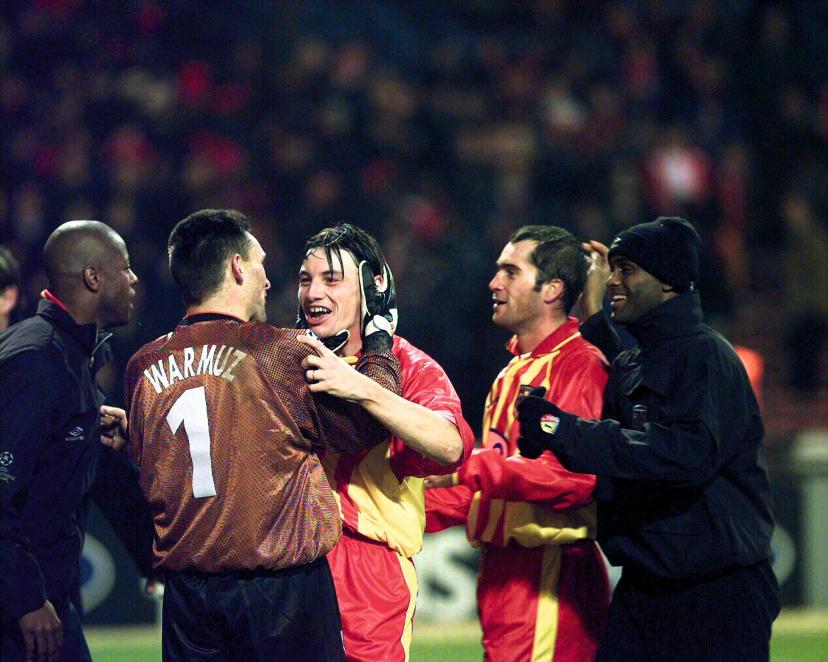
The closing stages were frantic. Arsenal resorted to long balls and physical intimidation, but the Lens defense held firm. In the 89th minute, Warmuz stood tall one last time, thwarting Overmars‘ attempt to lob him. Even a late red card for Vairelles couldn’t dampen the spirits. When Anders Frisk blew the final whistle at the 94th minute, Lens had achieved the impossible.
A moment of solitude
After the chaos of the celebrations and the showers, Guillaume Warmuz found himself alone in the stadium. As the floodlights were extinguished one by one, leaving only the dim glow of the stands in the London fog, he sat in the front row. For ten minutes, the boy from Blanzy simply savored the silence of Wembley, reflecting on the magnitude of what they had accomplished. It was a unique feat, as Arsenal only played their Champions League matches there temporarily, making the victory a truly unrepeatable piece of history.
Match Facts Summary
- Referee: Anders Frisk (Sweden)
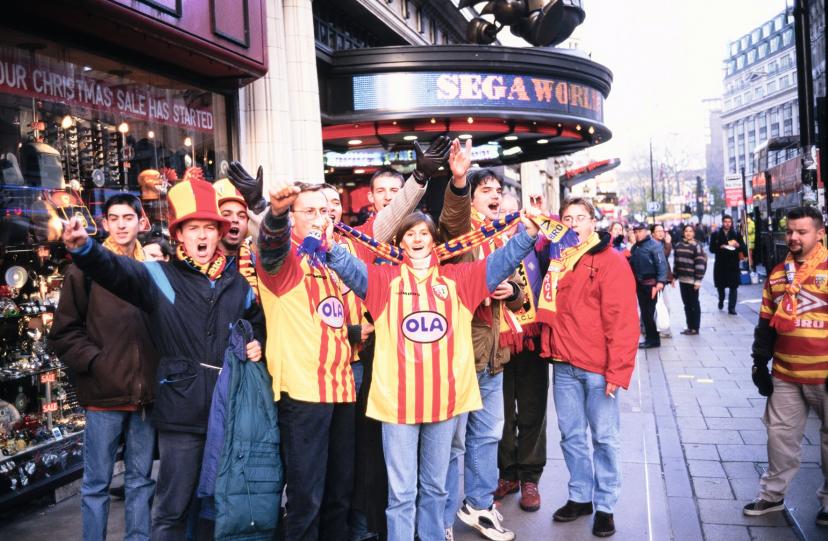
- Lens Supporters: Approximately 8,000 in attendance
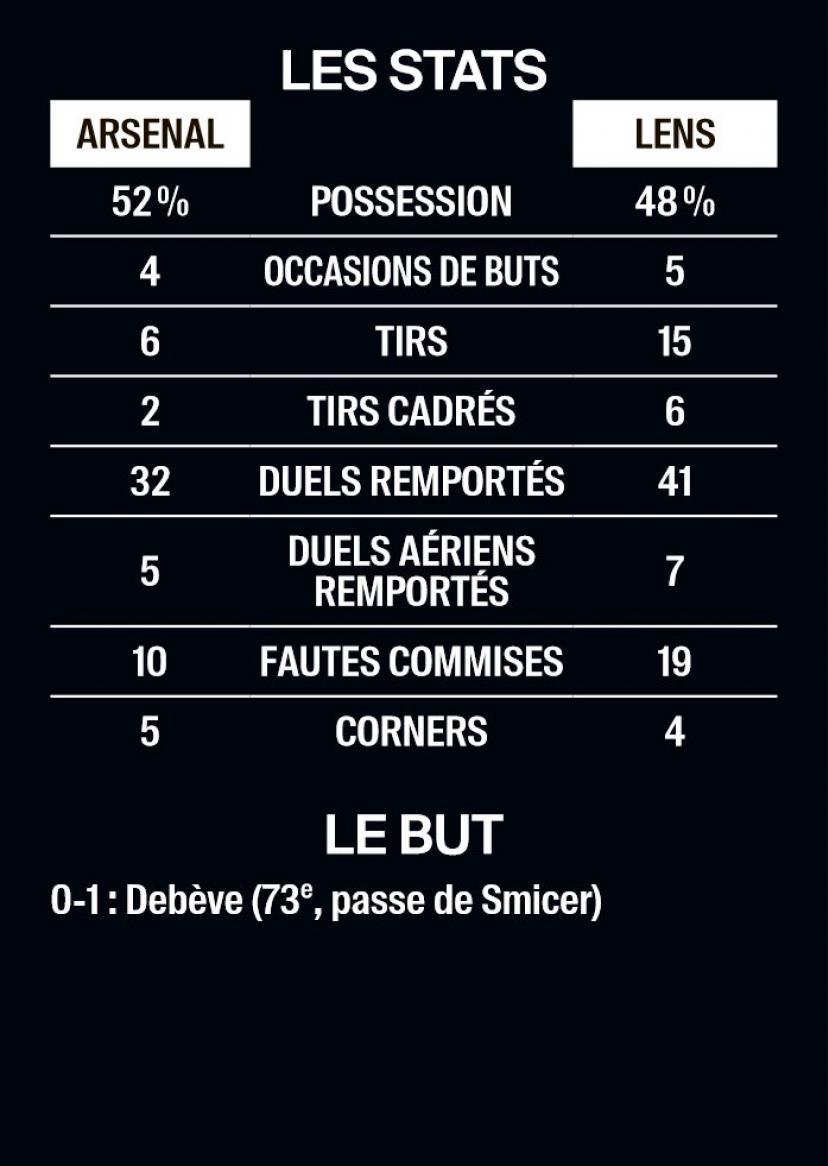
- Arsenal Shots on Target: 2
- Lens Total Shots: 15
- First Booking: Éric Sikora (47th minute)
- Final Whistle: 94th minute