Gabon’s export dilemma despite african free trade potential
The African Continental Free Trade Area (AfCFTA) promises access to a 1.4 billion consumer market, yet Gabon’s products remain largely absent across its continental neighbors. Recent economic data reveals that only 8.9% of the country’s total exports currently reach African markets—a figure that highlights the long road ahead for Libreville in leveraging regional trade.
The imbalance is stark: Africa supplies 28.3% of Gabon’s imports, cementing its role as the nation’s second-largest trading partner. This asymmetry underscores the urgency for Gabon to diversify its economic ties beyond traditional sectors.
Presidential push for regional economic integration
Breaking free from its historical reliance on oil and hydrocarbons has become a national priority. In mid-2026, President Brice Clotaire Oligui Nguema met with the AfCFTA Secretary-General, Wamkele Mene, to accelerate integration efforts. The message was clear: Gabon must pivot toward agro-industry, mining, and services to reduce its vulnerability to global oil price fluctuations.
The strategy hinges on capitalizing on the AfCFTA-driven intra-African trade boom, projected to reach $230 billion this year. By positioning itself as a hub for processed goods, Gabon aims to capture a larger share of this growing market.
Nkok Special Economic Zone: the gateway to value-added trade
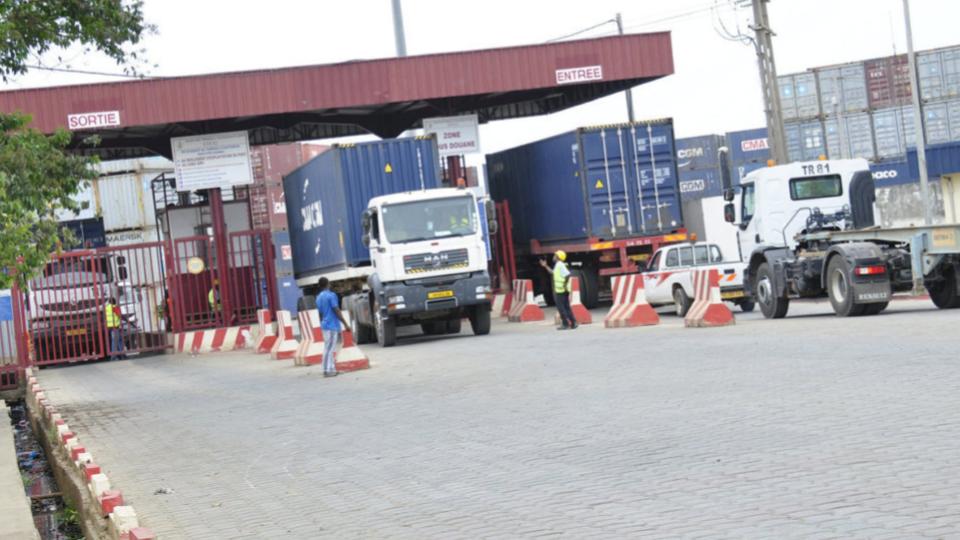
Gabon’s Nkok Special Economic Zone (SEZ) stands as a key asset in this economic reorientation. Praised for its industrial capacity and strategic location in Central Africa, the zone is designed to produce high-value goods for regional export. Combined with advancements in digital economy infrastructure, Libreville is positioning itself to compete more effectively in the AfCFTA framework.
Overcoming regional trade barriers in Central Africa
Yet, formidable challenges remain. Poor transport infrastructure and exorbitant logistics costs continue to stifle trade flows across Central Africa—a paradox given the AfCFTA’s ambitious goal to push intra-African trade beyond 50% by 2035.
Gabon’s roadmap is unambiguous: modernize supply chains, deepen local processing of raw materials, and harness the AfCFTA as the backbone of economic resilience. The stakes are high, but the rewards—economic diversification and regional leadership—could redefine Gabon’s future on the continent.