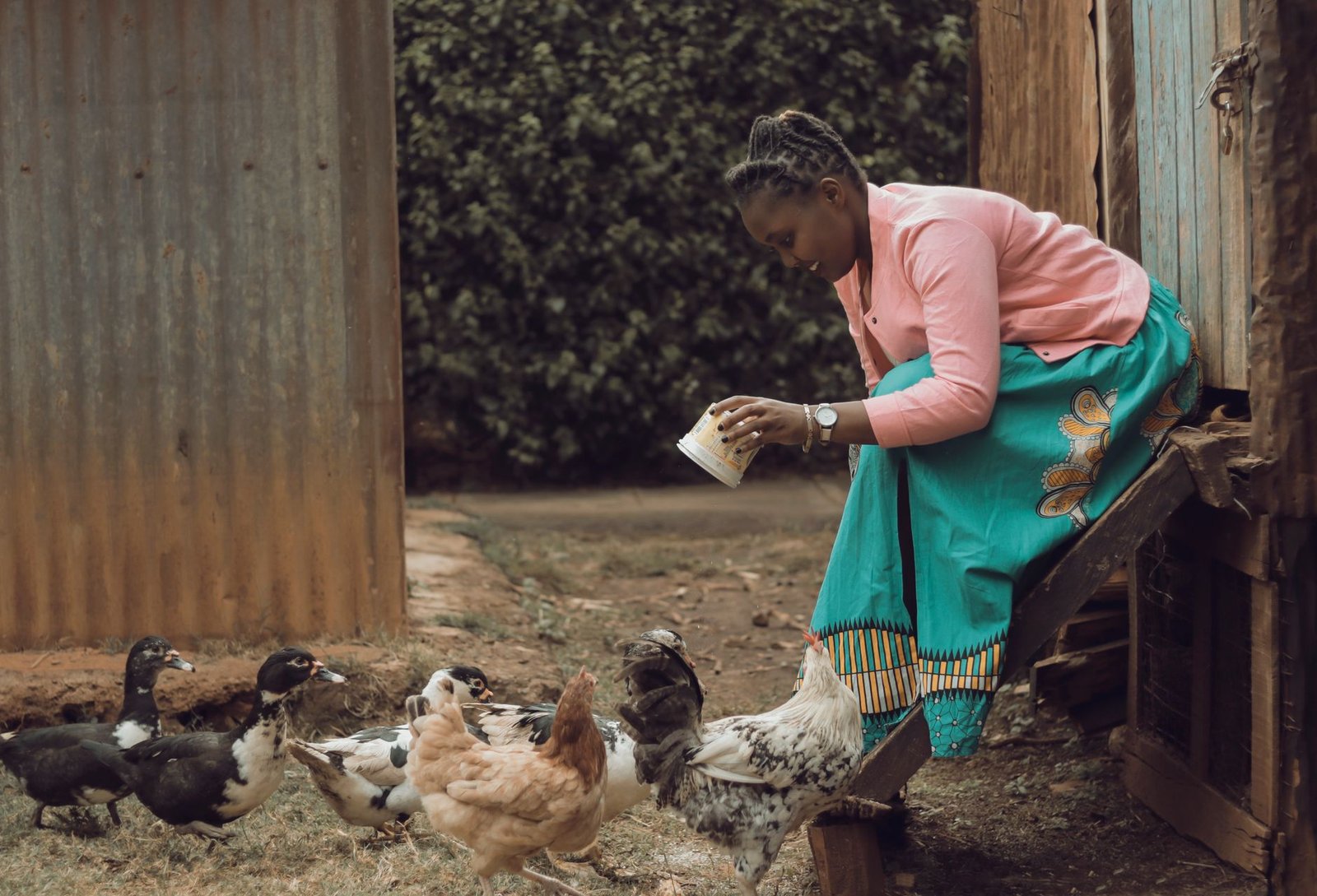
The Guinean conglomerate SONOCO is set to revolutionize Gabon’s poultry sector. Following an audience with Head of State Brice Clotaire Oligui Nguema, the pan-African group unveiled an extensive investment initiative designed to bolster a national industry heavily dependent on external sources. SONOCO’s ambitious plan projects an annual production exceeding 15 million chickens, a volume unprecedented for the Gabonese nation.
This strategic move aligns perfectly with the economic diversification agenda championed by Gabon’s transitional government. Authorities are actively seeking to alleviate the country’s substantial food import bill and stimulate job creation, particularly in rural areas. Gabon currently relies on imports for the vast majority of its consumed poultry meat, a vulnerability frequently cited as a hindrance to achieving true food sovereignty.
An integrated value chain for sustainable growth
SONOCO’s proposed project is distinguished by its fully integrated approach, encompassing every stage of the production process. This includes livestock farming, animal feed manufacturing, slaughtering, processing, and distribution. Such a vertically integrated structure will enable the group to effectively manage costs, ensure consistent supply, and provide the local market with animal protein at highly competitive prices, directly challenging frozen chicken imports from Brazil, the United States, and Europe.
Key components of this significant investment include the construction of state-of-the-art breeding facilities, a dedicated feed mill for localized compound feed production, and modern processing infrastructure adhering to stringent international sanitary standards. For a country where the poultry industry remains largely undeveloped, this envisioned industrial leap holds the potential to profoundly reshape Gabon’s agro-food landscape for years to come.
Drawing on its extensive experience across various industrial sectors in West Africa, the Guinean group is well-positioned to navigate the Gabonese market. SONOCO’s pan-African presence is a point of emphasis for Gabonese authorities, who view this partnership as a tangible example of South-South cooperation between Conakry and Libreville.
Boosting food sovereignty and reducing imports
For the Gabonese capital, Libreville, the implications extend far beyond just poultry. Gabon’s trade balance continues to be heavily impacted by food imports, despite the nation being blessed with expansive arable land and a climate highly conducive to agriculture. President Oligui Nguema has made reducing this reliance a clear priority since assuming office.
The arrival of a foundational investor in the poultry sector perfectly supports this objective. By producing millions of chickens locally each year, SONOCO will directly contribute to curbing the outflow of foreign currency currently spent on imported frozen meat. Furthermore, the project is heralded as a significant driver for creating both direct and indirect employment opportunities, especially within rural communities where industrial farming could offer stable prospects for a young workforce seeking livelihoods.
However, realizing such an ambitious vision necessitates overcoming several structural challenges. Factors such as land access, the consistent availability of raw materials for animal feed, regulatory stability, and efficient distribution logistics are common hurdles faced by poultry operators across Central Africa. The group’s ability to effectively secure these crucial parameters will be pivotal in determining the project’s ultimate success and trajectory.
A clear signal to regional investors
Beyond the specific case of SONOCO, this diplomatic and economic engagement underscores Libreville’s commitment to attracting African capital into its productive sectors. The decision to host a Guinean group at the highest governmental level, rather than a Western or Asian entity, signals a deliberate reorientation of priorities towards a more robust and self-reliant continental integration.
Specific details regarding the deployment timeline and the precise financial scope of the investment were not disclosed following the presidential audience. The upcoming phases will likely involve the formal signing of framework agreements, the identification of suitable implementation sites, and the mobilization of necessary financing. For Gabonese authorities, transforming this significant announcement into a tangible industrial reality will serve as the ultimate test of their strategic vision.