Libreville – For an extended period, Gabon has been recognized predominantly as an exporter of raw materials such as crude oil, manganese, and unprocessed timber. The nation is now actively pursuing a fundamental shift in its economic identity.
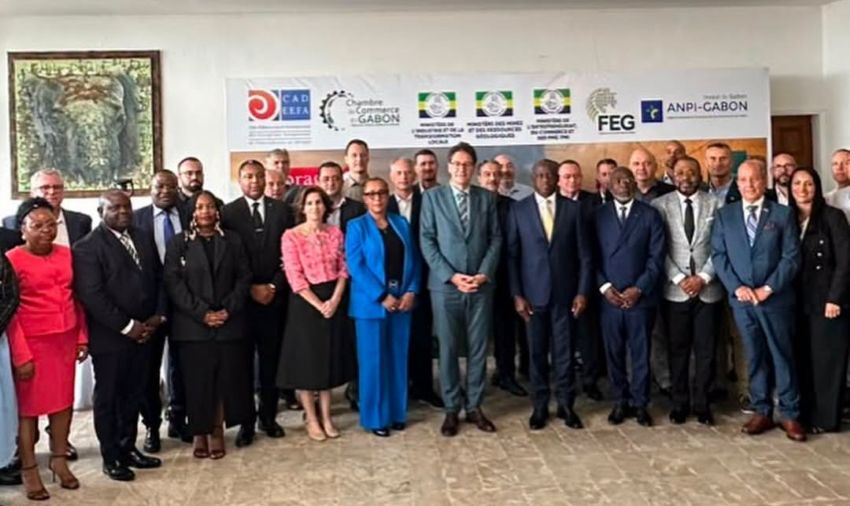
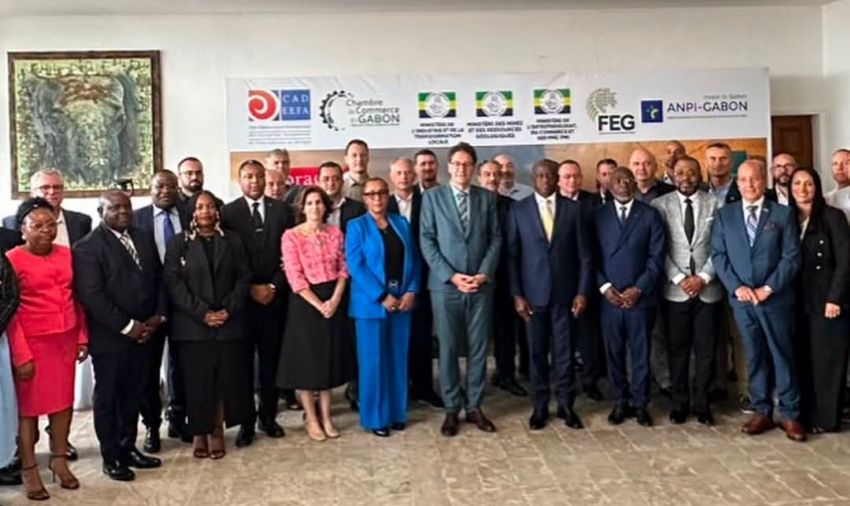
A pivotal moment in this national strategy unfolded with the inauguration of the Gabon Industry Meetings on Tuesday in Libreville. Presided over by Vice-President of the Government, Hermann Immongault, this event signals a renewed commitment to leveraging the local processing of natural resources as the primary catalyst for the country’s forthcoming economic advancement.
More than mere rhetoric, this gathering holds significant implications. By bringing together approximately twenty European investors, key public sector officials, leading industrialists, and international partners, Libreville is projecting a powerful message to global markets. Gabon is determined to move beyond its traditional role as a simple supplier of raw commodities, aspiring instead to become a vibrant hub for production, transformation, and the generation of substantial added value.
This ambitious vision positions Gabon at the forefront of a crucial continent-wide discussion: how can Africa effectively convert its rich natural endowments into genuine industrial strength?
The imperative of economic transformation
Vice-President Immongault’s message was unequivocal: industrialization is no longer a discretionary choice but a strategic imperative vital for the nation’s future prosperity.
This statement reflects a growing awareness across African economies reliant on primary commodities. For decades, producer nations have exported their resources in raw form, only to re-import finished, high-value-added goods. This cycle severely restricts local economic benefits and impedes the development of skilled employment opportunities.
Despite these challenges, Gabon possesses formidable advantages. Its mineral reserves rank among Central Africa’s most substantial, its forestry potential is globally acknowledged, and its energy sector remains a foundational element of the regional economy.
For the authorities, the critical challenge now lies in translating these inherent natural benefits into robust industrial value chains, designed to generate greater wealth within national borders.
In pursuit of this objective, the High Investment Council has undertaken a comprehensive review of the primary obstacles hindering productive investment. The government is now pledging concrete actions aimed at bolstering legal certainty, enhancing the overall business environment, and streamlining the establishment of new industrial facilities.
Attracting capital to build a national industry
Minister of Industry, Lubin Ntoumtoume, unveiled a strategic roadmap outlining several key pillars. Among the top priorities are modernizing the regulatory framework, simplifying administrative procedures, improving energy accessibility, strengthening logistical infrastructure, and fostering the development of local expertise.
This strategy emerges amidst a global landscape characterized by the significant reorganization of international supply chains. A growing number of investors are currently seeking out new industrial platforms capable of facilitating production closer to burgeoning emerging markets.
Gabon aims to capitalize on this evolving trend. The participation of European investors at these meetings underscores a burgeoning interest in the Gabonese market. Fabrice Mauriès, the French Ambassador to Gabon, specifically highlighted the importance of forging an economic relationship built on co-development, moving beyond the conventional paradigm of mere resource extraction.
Event organizers also champion this direction, striving to foster closer collaboration between the state, private enterprises, and training institutions to cultivate a cohesive and dynamic industrial ecosystem.
Indeed, contemporary industry relies not solely on physical infrastructure but equally on the caliber of human capital, relentless innovation, and the educational system’s capacity to adapt to market demands.
The critical test of implementation
The Industry Meetings arrive at a pivotal juncture for Gabon. For several years, the nation has been actively implementing reforms designed to lessen its reliance on raw material exports.
Local timber processing stands as a frequently cited success story. The prohibition on log exports spurred the growth of a robust transformation industry, generating increased added value and employment opportunities. Authorities are now keen to replicate this successful model across other strategic sectors, including mining, metallurgy, agro-industry, and various service industries.
Scheduled visits to Port-Gentil, Moanda, and the wider Libreville area are intended to showcase existing infrastructure and ongoing projects to potential investors. However, the ultimate success of this ambitious strategy will hinge more on tangible execution than on mere pronouncements. Numerous ambitious industrial plans across Africa have historically encountered significant administrative, logistical, or financial hurdles.
Therefore, the real challenge for Gabon is to unequivocally demonstrate its capacity to translate its industrial vision into concrete, measurable achievements.
The launch of these meetings thus transcends a typical economic gathering. It serves as a crucial credibility test for a nation striving to redefine its position within the global economy. Should this strategy prove successful, Gabon could emerge as one of Africa’s most advanced experimental grounds for the industrial transformation of natural resources.
Conversely, failure would leave it grappling with the persistent challenge that has hindered the development of many resource-rich economies for decades.
You may also like
Will the AES ever launch its own currency? The question Traoré keeps leaving unanswered
Can Ibrahim Traoré’s 300 armored vehicles claim survive scrutiny? Inside Faso Armored’s made-in-Burkina Faso gamble
Can Washington force third-country deportations? Ivory Coast’s refusal raises the stakes
Will Benin’s AEO exporters finally crack the Chinese market?
Northern Niger’s unanswered question: can Tiani’s government deliver water and power where it matters most?