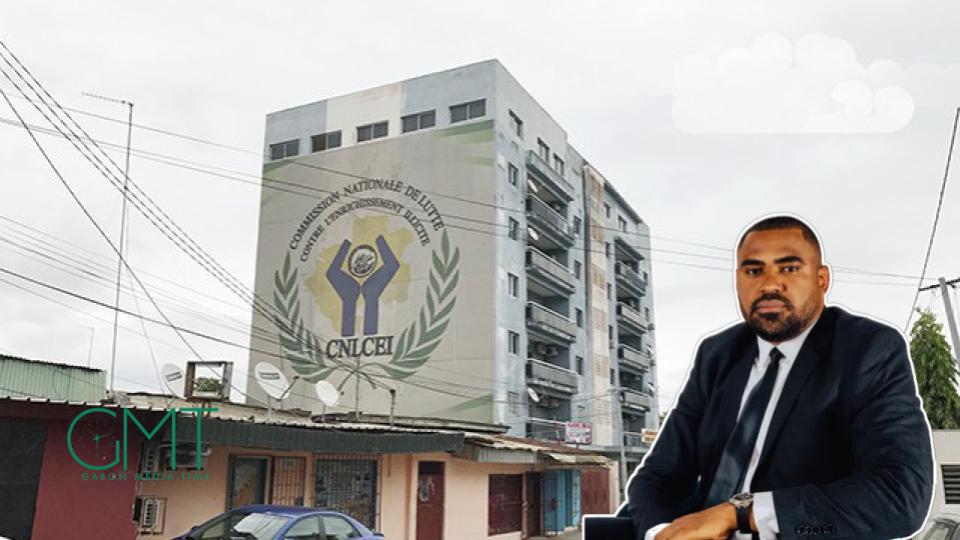
Jean-Pierre Antchoue Ayenoue, Vice-President in charge of International Affairs and the Diaspora, has made the fight against corruption and money laundering a cornerstone of his mandate.
Assessing Gabon’s anti-corruption efforts
From June 29 to July 1, 2026, Libreville will host an international expert mission sent by the United Nations Office on Drugs and Crime (UNODC). Their task: evaluate Gabon’s progress in combating corruption and recovering illicit assets, as part of the second review cycle of the United Nations Convention against Corruption (UNCAC).
While this event may not dominate headlines, it is a critical moment for the nation. The fight against corruption is not just a political priority—it is a personal commitment for many Gabonese citizens, patriots, and social activists who recognize its urgency in today’s context.
Understanding the UNCAC second review cycle
The UN Convention against Corruption (UNCAC), ratified by Gabon in 2007, mandates concrete actions in transparency, institutional oversight, whistleblower protection, and asset recovery. The current peer-review process, involving Chad and Libya, assesses how well Gabon is implementing these obligations, identifies gaps, and provides actionable recommendations.
Unlike the first review cycle (2010–2015), which focused on criminalization and judicial cooperation, the second cycle emphasizes prevention and recovery of stolen assets—two areas where Gabon’s progress remains under scrutiny.
What steps has Gabon taken so far?
Since the August 30, 2023 transition, the National Commission for Combating Corruption and Illicit Enrichment (CNLCEI) has been at the forefront of anti-corruption efforts. Yet, public skepticism persists. Questions linger: How many illicit assets have been recovered? How many cases have led to prosecutions?
Recent initiatives, such as the July 11, 2025 ethics code workshop in Libreville, aim to strengthen public integrity. However, the effectiveness of these measures remains unproven. The February 27, 2026 swearing-in of two new CNLCEI rapporteurs before the Libreville Court of Cassation suggests institutional renewal, but tangible results are still awaited. On May 13, 2026, the CNLCEI, with support from the International Organisation of La Francophonie, held a governance summit to promote best practices and institutional strengthening. While commendable, such events must translate into real change.
A mixed record of progress
Gabon has made some strides: expanded powers for the CNLCEI, new constitutional provisions on transparency, and broader asset declaration requirements for officials. During the 17th session of the UNCAC Implementation Review Group in Vienna, Gabon’s delegation highlighted improved inter-agency collaboration and adoption of UNODC tools as benchmarks of accountability.
Yet, these efforts remain fragmented. Gabon lacks a comprehensive national anti-corruption strategy—no integrated roadmap, no quantified targets, no independent monitoring mechanism. Existing tools operate in isolation, with no central coordination. A public policy is only as strong as its implementation, and Gabon’s progress must be measured by concrete outcomes: reduced corruption, prosecuted offenders, recovered assets, and restored public trust.
What Gabon must do now
The upcoming UNODC evaluation is a test of transparency. Gabon must not only cooperate but demonstrate a willingness to confront entrenched practices that fuel corruption—such as direct award contracts in public procurement (as publicly admitted by a former Finance Minister, with 93.25% of contracts awarded without competitive bidding) and the blurred lines between public and private interests.
Despite marginal improvements in global corruption perception rankings, Gabon still ranks low. Institutions struggle with limited resources and perceived lack of independence. Justice moves slowly on high-profile cases, and mechanisms to recover stolen assets abroad remain ineffective. Is Gabon lagging behind in the fight against corruption? The evaluation will provide the answer.
In response, we are launching a public awareness campaign to engage citizens in this critical battle.