
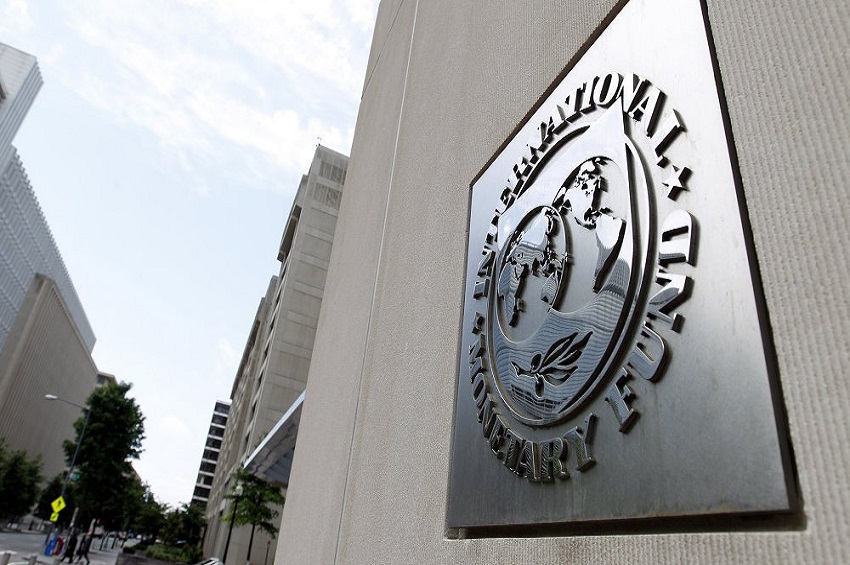
Gabon’s debt audit delays IMF agreement until year-end
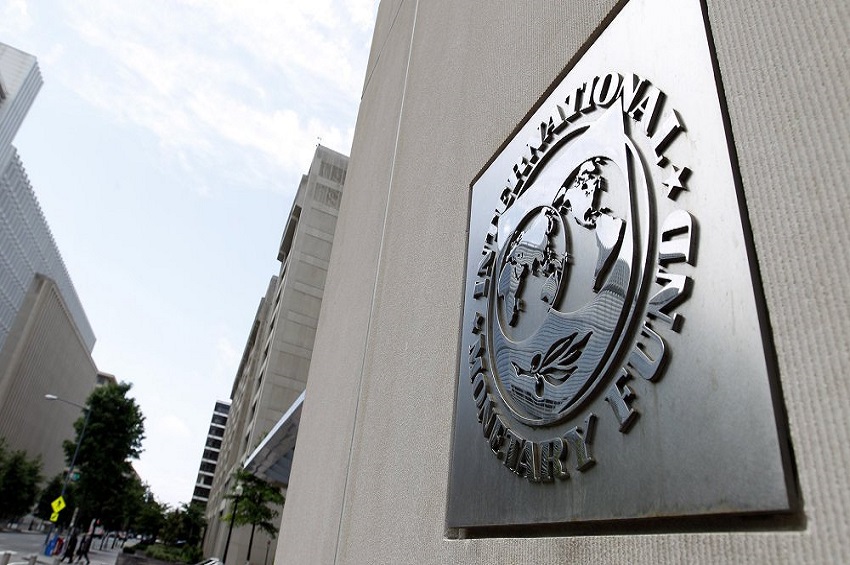
Libreville, June 4, 2026 — For months, whispers filled boardrooms, diplomatic circles, and financial markets. An imminent agreement between Gabon and the International Monetary Fund (IMF) was said to be just around the corner.
Yet, despite repeated announcements, the signing never materialized. In a rare interview, President Brice Clotaire Oligui Nguema finally shed light on the reasons behind this delay—revealing that the issue runs far deeper than technical negotiations with the Bretton Woods institution. The fundamental question now is: Does Gabon truly understand the full extent of its public debt?
The stakes could not be higher. For international investors, credit rating agencies, and multilateral lenders, an IMF agreement represents far more than a financing mechanism. It signals credibility, stability, and confidence in the country’s economic trajectory. By confirming that a deal is now expected by the end of 2026, the Head of State underscored that progress is underway—but also highlighted decades of opaque governance.
Transparency as the foundation of trust
The President’s most striking revelation concerned the country’s actual debt levels.
During the transition, initial estimates placed Gabon’s public debt at 7.5 trillion CFA francs. A subsequent assessment revised the figure to nearly 8 trillion. Such a discrepancy raised red flags at the highest levels of government.
In response, President Oligui Nguema mandated a comprehensive audit before any engagement with the IMF. His objective is clear: obtain an accurate financial picture of the nation before committing to an agreement that would bind the Gabonese state for years to come.
This push for transparency marks a rare departure in African financial negotiations—but it also exposes a troubling reality. How can a petroleum-rich nation struggle to produce a definitive account of its public debt? The answer lies in decades of fiscal mismanagement, off-budget obligations, and weak oversight mechanisms that plagued the country’s finances long before the current administration.
In this context, the audit isn’t just advisable; it’s a prerequisite for progress.
The IMF’s pragmatic response
The Washington-based institution has agreed to this demand for clarity.
According to the Gabonese President, the IMF deferred finalizing the program to accommodate the audit. This concession reflects a pragmatic calculation: the Fund itself requires precise financial data before deploying its resources.
The verification process carries added significance given Gabon’s strategic role in the CEMAC region. As one of the bloc’s most influential economies—thanks to its oil wealth, mineral resources, and regional financial stability—the country’s fiscal health directly impacts broader subregional dynamics.
The ongoing discussions now revolve around more than just financial transparency. They extend to the structural reforms that invariably accompany an IMF program, including governance improvements, budgetary discipline, revenue mobilization, and public expenditure control.
From delay to opportunity: what lies ahead
The announcement of a year-end signing represents a milestone—but it is not the endgame. Observers know that IMF programs often trigger painful structural adjustments. Expectations include rationalizing public spending, overhauling tax policy, strengthening revenue collection, reforming subsidy regimes, and modernizing financial administration.
The President has not disclosed the specifics of the pending agreement or the expected funding amounts. This reticence is understandable; negotiations remain fluid, and critical decisions are still pending.
Yet the broader challenge now transcends financing alone. Gabon is working to restore its financial credibility after years of uncertainty. For international partners, the mandated audit could mark the first step toward a new era of economic governance built on transparency and accountability.
Far from signaling failure, the delayed agreement may prove to be the necessary price for rebuilding trust between the Gabonese state, global markets, and multilateral institutions. In public finance, trust isn’t declared—it’s earned through the unvarnished truth of the numbers.
You may also like
Elversberg vs Bayern Munich: which channel is showing the Bundesliga clash?
JOJ 2026, Diomaye appelle la jeunesse sénégalaise à porter l’image de l’Afrique
Mali: près de 80 soldats tués dans l’attaque du camp de Dioura
Côte d’Ivoire : le Burida redistribue 795,4 millions FCFA à 5 435 ayants droit
Paris FC vs Lyon: kick-off time and TV channel for the Ligue 1 matchday 4 clash