
Gabon steps up fight against illicit financial flows with new measures
Libreville, July 19, 2026 – As illicit financial flows fuel organized crime, terrorism, and corruption worldwide, the robustness of national control systems has become a key indicator of international credibility. Gabon is now making this requirement a cornerstone of its governance strategy.
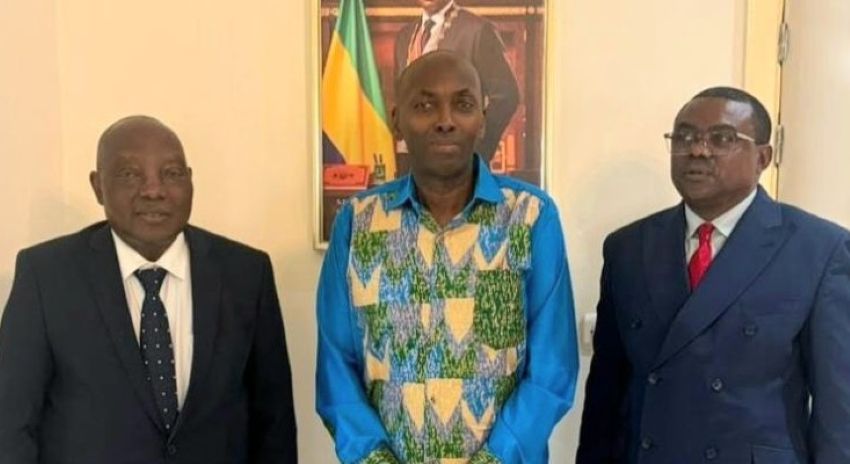
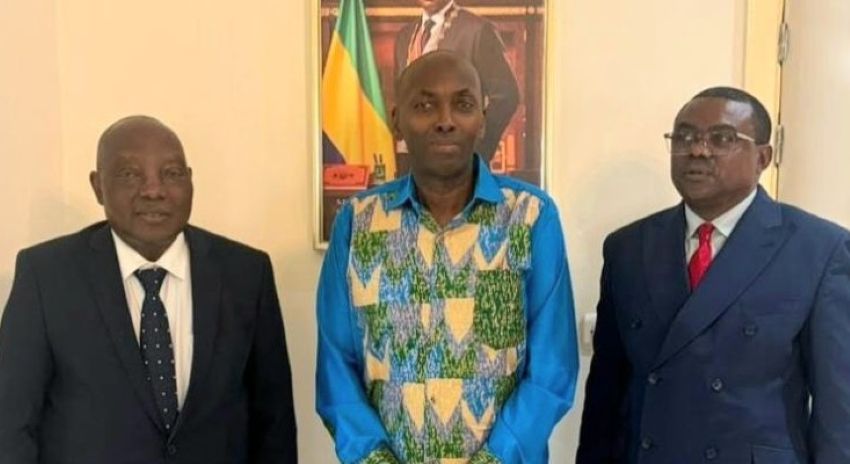
Recent high-level meetings in Libreville between Gabonese authorities and representatives of the Groupe d’Action contre le Blanchiment d’Argent en Afrique Centrale (GABAC) underscore the country’s unwavering commitment. These discussions, led by Interior Minister Adrien Nguema Mba and Justice Minister Augustin Emane, with GABAC Secretary-General André Kanga, highlight Gabon’s proactive stance ahead of the third evaluation cycle under GABAC’s supervision.
Stronger regional cooperation in financial transparency
Gabon’s engagement comes at a time when CEMAC member states are tightening their anti-money laundering and counter-terrorism financing mechanisms. With criminal networks growing increasingly sophisticated, regional institutions demand coordinated responses aligned with international standards set by the Financial Action Task Force.
GABAC’s leadership has acknowledged Gabon’s progress in aligning its legal, institutional, and operational frameworks with these standards. This recognition translates into a concrete opportunity: Gabon has been invited to participate in the high-level segment of GABAC’s fifteenth plenary session, scheduled for October 3 in N’Djamena. This gathering will mark a pivotal moment in the launch of the third evaluation cycle, shifting focus from mere legal compliance to tangible effectiveness in detecting, prosecuting, and confiscating illicit assets.
A critical test for Gabon’s financial governance
During the meetings, André Kanga emphasized that this new phase will demand heightened coordination across all relevant government agencies. Particular scrutiny will be placed on asset recovery mechanisms, now considered a key performance indicator for member states.
Justice Minister Augustin Emane described the invitation as both an honor and a responsibility. He reaffirmed Gabon’s readiness to actively contribute to efforts strengthening judicial and financial cooperation in Central Africa—a region grappling with cross-border trafficking, criminal financing, and parallel economies. The effectiveness of national systems here hinges on their integration with regional mechanisms.
As the regional body tasked with harmonizing anti-money laundering reforms, evaluating their impact, and facilitating information exchange, GABAC plays a vital role in supporting member states like Gabon in meeting these challenges.
Financial credibility as a strategic asset
For Gabon, this drive transcends regulatory compliance. It directly impacts business climate improvement, investor confidence, and access to international financing. Under the leadership of President Brice Clotaire Oligui Nguema, authorities have positioned the fight against corruption, embezzlement, and illicit financial flows as central to rebuilding public governance. This strategy aligns with a broader vision to restore institutional credibility and secure resources essential for economic development.
The coming months will be decisive. The third evaluation cycle will serve as both a test of institutional maturity and an exercise in transparency, with outcomes shaping perceptions among technical partners, international donors, and investors.
In today’s globalized financial landscape, where a nation’s reputation increasingly determines its economic attractiveness, combating money laundering is no longer just a legal obligation—it has become a lever of sovereignty, financial stability, and international competitiveness. Gabon appears to have fully embraced this new reality.
You may also like
-
C64 delays july 22 march and gives government 15-day ultimatum for dialogue
-
The shadow over the Congo river: how congolese spies shaped a nation’s power
-
How Congo’s shadowy intelligence shaped decades of power
-
Gabon-France summit: a new chapter in bilateral ties
-
DRC president cancels new york un security council visit