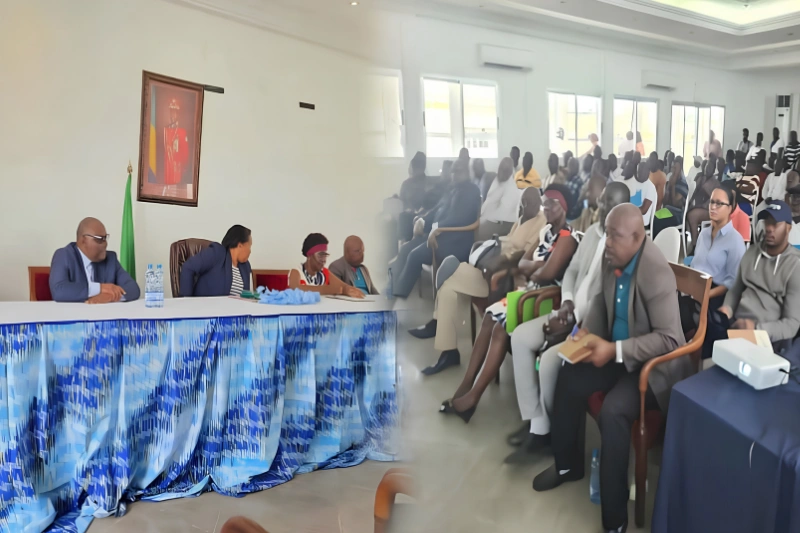
The Gabonese government is rolling out nationwide public consultations to shape the National Marine Space Zoning Plan, a cornerstone initiative under the Blue Commitments program. Teams from the Ministry of the Blue Economy are traveling to coastal and inland communities to explain the sustainable management strategy championed by national leaders.
In Port-Gentil, one of the key stops, local fishing cooperatives and women traders gathered to review and provide feedback on the proposed zoning map for their waters. This grassroots engagement ensures that traditional fishing zones, critical habitats, and migration pathways are preserved while supporting livelihoods.
The initiative targets three provinces—Estuaire, Nyanga, and Ogooué-Maritime—where experts are mapping out traditional fishing areas, climate-resilient zones, and biodiversity hotspots. By mid-July, the findings will be compiled into a final proposal for review by decision-makers.
Preserving ecosystems and securing livelihoods
The zoning plan is designed to safeguard Gabon’s marine ecosystems—from mangrove forests to coral reefs—without restricting access for small-scale fishers, seafood processors, or coastal communities. This dual focus on conservation and economic inclusion underscores the country’s leadership in innovative marine financing on the African continent.
By the end of July, the government aims to finalize the zoning boundaries, ensuring that both present and future generations benefit from Gabon’s vast coastal resources.