A French intelligence officer operating under diplomatic cover in Mali has been sentenced to 20 years in prison by Malian authorities, following nearly a year in detention. The verdict, delivered in a closed-door trial on Friday, includes an additional 20-year entry ban and a €5,400 fine, with Paris strongly contesting the charges as baseless.
The officer, identified as Yann V., was arrested in August 2025 during a joint operation with Malian State Security forces. The operation also led to the detention of several Malian military officers, who have since been discharged and remain unprosecuted. They are accused of participating in a spy network aimed at destabilizing Mali’s transitional government through a planned coup.
The trial, held behind closed doors at the specialized anti-terrorism criminal chamber, concluded on Thursday, with the sentencing announced the following day. A judicial source, speaking on condition of anonymity for security reasons, confirmed the proceedings and verdict.
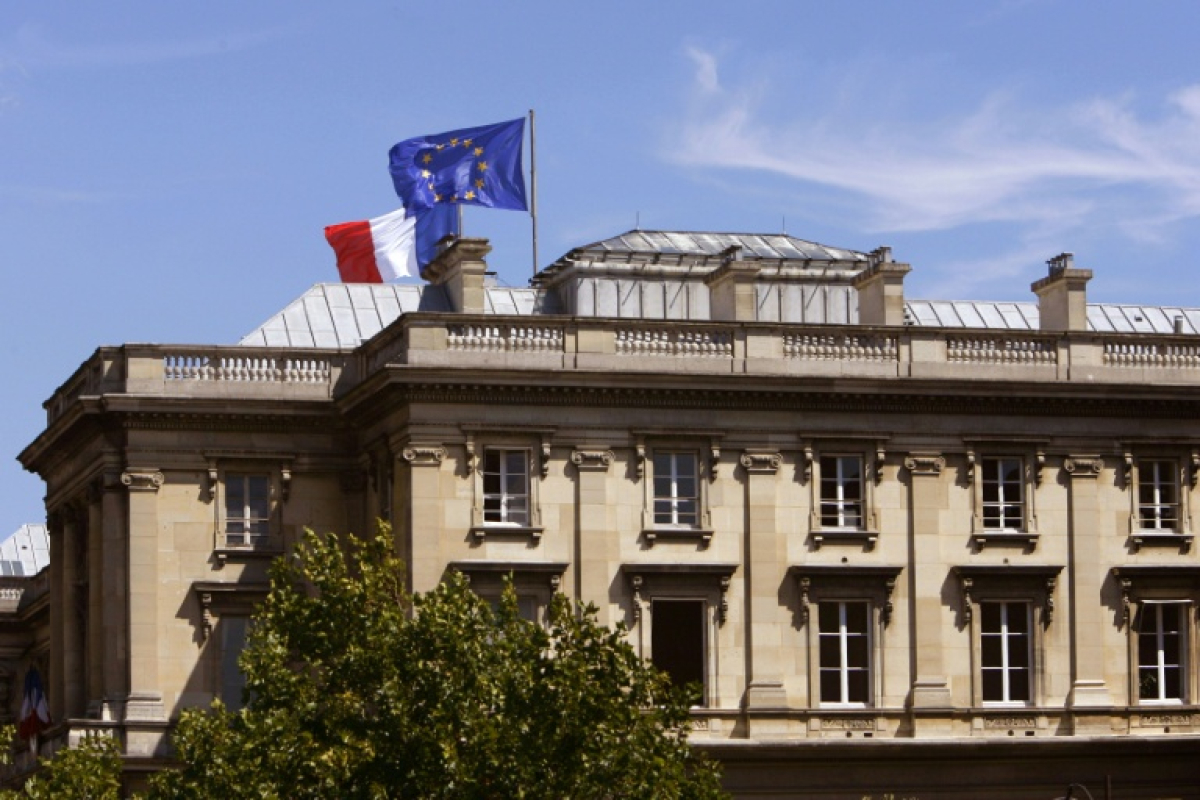
France swiftly condemned the ruling, reaffirming that the accusations against its diplomat were unfounded. The French Foreign Ministry stated that the arrest, detention, and trial of its accredited agent constitute a clear violation of the Vienna Convention, to which Mali is a signatory. Paris has called for the immediate release of its national and is pursuing all available avenues to resolve the case swiftly.
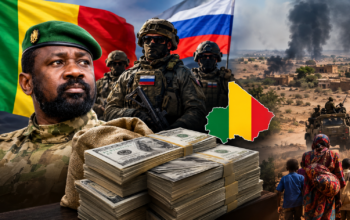
The French government emphasized that its agent was engaged in legitimate security cooperation activities and denied any involvement in efforts to undermine Mali’s stability. This incident has further strained relations between the two countries, which have been in decline since Mali’s military junta distanced itself from Western partners—including France—and aligned more closely with Russia.
Mali continues to face severe security challenges, exacerbated by recent large-scale attacks in late April. Coordinated assaults by jihadist factions, including the Group for the Support of Islam and Muslims (JNIM) and the predominantly Tuareg Azawad Liberation Front (FLA), targeted key military positions. Among the casualties was Defense Minister Sadio Camara, a prominent figure in the junta, who was killed in a suicide bombing.