France vs Spain: why the 2026 World Cup semifinal is called the ‘final before the final’
For the third time in three major tournaments over the last two years, France and Spain face off in a World Cup semifinal. This clash is being hailed as the ultimate showdown before the actual final.
“It’s not an exaggeration to call this match the final before the final.” Spanish coach Luis de la Fuente made the declaration after his team’s quarterfinal victory over Belgium on July 13, 2026. Didier Deschamps, France’s manager, had already tipped the scales in Spain’s favor before the tournament began, stating, “The big favorite is Spain—no doubt about it.”
A clash of titans
This isn’t the first time these two giants have met at such a pivotal stage. France and Spain have locked horns in semifinals of the Euro 2024 and the 2025 UEFA Nations League, with Spain emerging victorious on both occasions. Now, the stakes are higher than ever as the two teams prepare to battle for a place in the World Cup final on July 15, 2026.
But what makes this semifinal so compelling? Why does it feel like the real decider?
Unbreakable defenses and relentless attacks
France and Spain have conceded just two goals each in the tournament so far. Spain has gone even further, keeping a clean sheet in five consecutive matches, while France has done so in four. The other two semifinalists—Argentina and England—have allowed six goals apiece, with only two clean sheets between them. Yet, both final-four teams are far from one-dimensional.
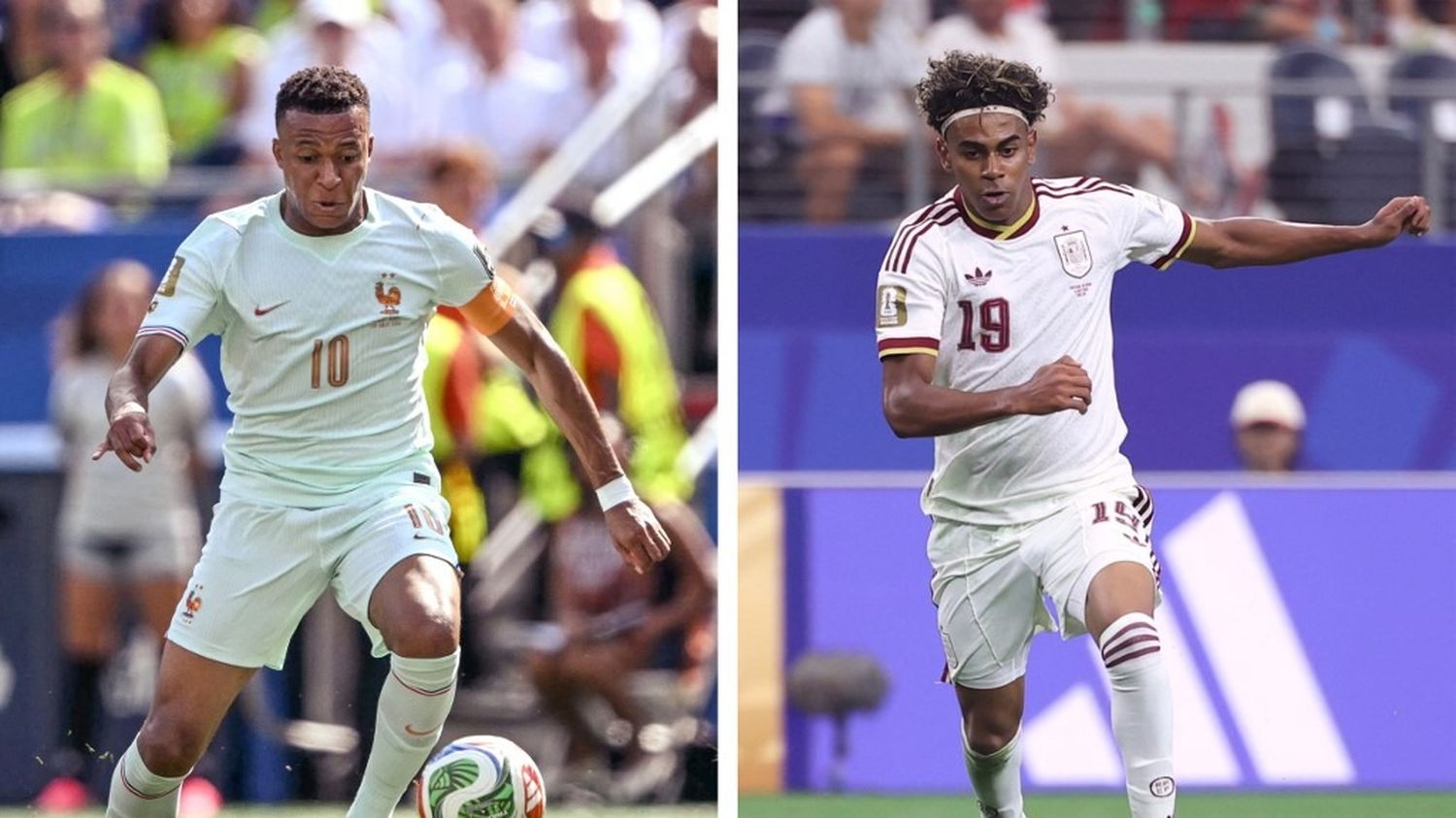
FIFA statistics reveal that the France-Spain clash has seen 110 shots attempted—second only to Belgium’s 112. Argentina and England lag behind with 98 and 94 shots respectively. Despite Spain’s modest tally of 11 goals (the lowest among the four semifinalists), and France’s 16, both teams boast creative maestros. Spain’s Lamine Yamal and France’s Michael Olise sit at the top of the assist charts, each delivering five key passes.
There’s every reason to expect a spectacular match.
Didier Deschamps
The power of the bench
Spain’s depth is legendary. Mikel Merino, introduced as a substitute against Portugal in the round of 16 and Belgium in the quarterfinals, scored the decisive goals in stoppage time in both games. The midfield, featuring Rodri (Ballon d’Or 2024), Gavi, Pedri, and others, is a well-oiled machine with Rodri leading the tournament in passes completed (629).
France’s bench is no less formidable. Bradley Barcola, who came off the bench against Senegal in the group stage and Sweden in the round of 16, scored within minutes of entering both games. Désiré Doué, Manu Koné, Warren Zaïre-Emery, and Malo Gusto have all delivered when called upon, providing fresh legs and creativity.
A rivalry fueled by recent dominance
Spain’s resurgence under Rodri has been meteoric. After winning Euro 2024 and the 2025 UEFA Nations League by defeating France in the semifinals, the Spanish side has developed a psychological edge. Luis de la Fuente doesn’t shy away from the challenge: “We know we’re the only team to have beaten them in two semifinals. If anyone should be feared, it’s us.”
Lamine Yamal, Spain’s teenage sensation, added: “We’re not afraid. We’ve beaten them before, and we’ll see what happens this time.” France’s Ibrahima Konaté responded with characteristic humility: “He can say what he wants. We won’t fall into that trap. Especially not at this stage.”
The last time Spain entered a match so confidently, predicting the retirement of a Real Madrid star, France—without a single Real Madrid player in the squad—crushed them 3-1 in the 2006 World Cup round of 16. This time, with Mbappé and Tchouaméni pulling the strings at Real Madrid, Spain may have extra motivation to prove their dominance.