Money, weapons and blood: how Wagner mercenaries exploit Central Africa’s wealth
The shadowy presence of Russian mercenaries in Central Africa has long been a source of controversy. Their operations, however, are more than just a security issue—they represent a lucrative business model built on exploitation, violence and control over the region’s vast mineral resources.
From the depths of gold mines to the highlands of diamond-rich zones, the Wagner Group’s fighters have carved out a profitable niche. Their tactics extend beyond mere military support, morphing into a system of economic domination that benefits Moscow while leaving local communities in ruin.
The grim reality of Wagner’s operations
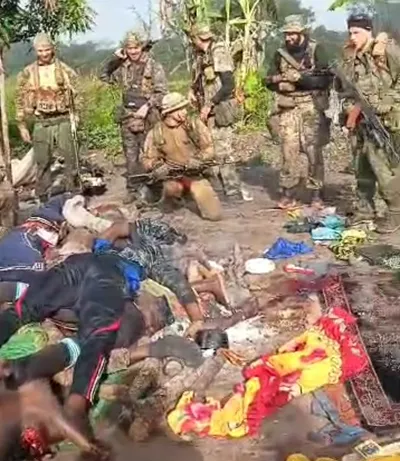
Reports from the ground reveal a pattern of intimidation, forced labor and outright theft. Villagers in mining areas describe how Wagner-affiliated forces seize control of extraction sites, displacing residents and subjecting them to brutal conditions. These mercenaries, clad in uniforms that blur the line between soldier and criminal, operate with near-impunity.
- Resource extraction as a weapon: Gold, diamonds and other minerals are no longer just commodities—they are tools of oppression. Wagner-linked militias restrict access to mines, forcing locals into servitude or driving them from their homes.
- Systematic violence: Decades of conflict in Central Africa have left communities fractured. Wagner’s presence exacerbates these tensions, with reports of executions, torture and sexual violence becoming alarmingly common.
- A facade of legitimacy: The group positions itself as a stabilizing force, yet its actions speak louder than its words. Instead of peace, it delivers a cycle of fear and economic plunder.
Who profits from this brutal economy?
The financial gains from Wagner’s operations flow directly back to Moscow. While local populations see little benefit, Russian oligarchs and Kremlin-linked figures pocket immense wealth. This model mirrors other conflict zones where mercenary groups exploit instability for profit.
International observers warn that such activities undermine regional stability. The Central African Republic, already grappling with political instability, now faces an additional layer of exploitation that could destabilize it further.
Can Central Africa break free from this cycle?
Resistance is growing. Civil society groups, activists and some government officials are pushing back against Wagner’s influence. However, their efforts are met with repression, highlighting the entrenched nature of this crisis.
The path forward remains unclear. Without concerted international action, the business of terror in Central Africa will continue to thrive, leaving behind a trail of suffering and underdevelopment.