The eastern Democratic Republic of the Congo (DRC) is grappling with a fresh wave of accusations as Russia publicly pointed a finger at Ukraine, alleging its involvement in supporting the M23 rebel group. This bold claim was made by Sergey Lavrov, Russia’s Foreign Minister, during a joint press conference with his Burundian counterpart in Bujumbura.
Russia’s allegations and diplomatic fallout
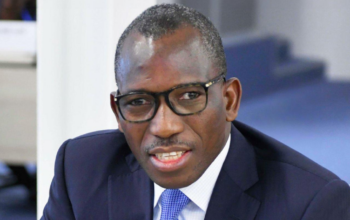
Speaking alongside Édouard Bizimana, Burundi’s Minister of Foreign Affairs, Integration, and Regional Cooperation, Lavrov condemned what he described as blatant foreign interference in African affairs. He specifically accused Kinshasa—with the support of Bujumbura—of facing an aggression spearheaded by the M23, which he claims is backed by foreign actors, including Ukrainian operatives.
“We are witnessing a clear attempt at foreign interference in African affairs, particularly in the Democratic Republic of the Congo,” Lavrov stated. “The legitimate authorities of the DRC, with the backing of Burundi, are now confronting an aggression led by the so-called M23 group, which is supported by foreign actors—including Ukrainians.”
According to Lavrov, Ukraine’s alleged involvement is part of a broader strategy to undermine governments in Africa that maintain close ties with Moscow. “Ukrainian operatives are increasingly present in African conflicts, supporting forces opposed to legitimate governments to position themselves as key players on the continent and create difficulties for Russia’s allies,” he emphasized.
International concerns over drone warfare
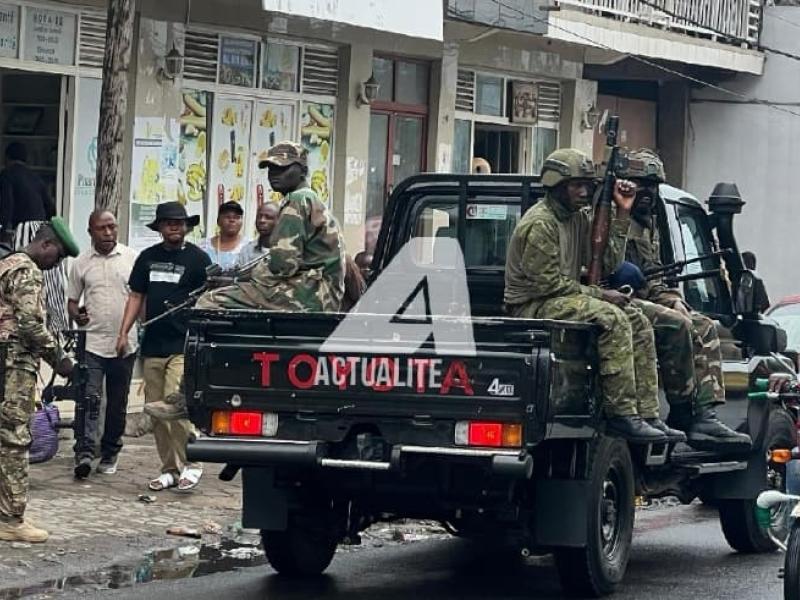
The escalating use of armed drones in eastern DRC has raised alarms among global observers. Russia, through its representative at the United Nations Security Council, Anna Evstigneeva, highlighted the worsening humanitarian and security crisis fueled by these combat methods.
Evstigneeva referenced a March 11 drone strike in Goma, which resulted in the death of an UNICEF staff member. She also expressed Moscow’s deep concern over reports of foreign mercenaries operating in the conflict zone—some of whom reportedly gained combat experience in Ukraine before being recruited as drone operators or trainers.
“We are particularly troubled by reports of foreign mercenaries, some of whom have prior combat experience in Ukraine and are now employed as drone operators or military instructors,” she told the Security Council in late June 2026.
Diplomatic paralysis amid stalled peace efforts
Despite ongoing diplomatic initiatives, including the Washington Agreement and mediation efforts under the Qatar-led Doha Process, tangible progress remains elusive. Kinshasa and Kigali continue to interpret key provisions of these agreements differently, further complicating their implementation.
The recent Montreux meeting in Switzerland, intended to inject momentum into stalled negotiations between the DRC government and the M23-allied Alliance Fleuve Congo (AFC), failed to deliver the expected breakthrough. Calls for compliance with peace commitments persist at national, regional, and international levels, yet concrete results remain scarce as each party clings to its own interpretation of the accords.
With the humanitarian and security crisis in eastern DRC deepening, the international community continues to urge all stakeholders to honor their commitments and prioritize dialogue over escalation. However, the path to lasting peace appears increasingly fraught with challenges as geopolitical tensions and conflicting interpretations of peace agreements continue to hinder progress.